BLOG
Japanese tattooing by our sunset tattoo Artists
Our owner and founder, Tom Tom has been tattooing for 20 years and focuses on his own interpretation and stylised custom Japanese/Irezumi tattooing. He almost only does large scale, ongoing work with very loyal clients but also enjoys doing fun “one shot” and smaller tattoos. Influenced majorly by his travels to Japan, and by the amazing Japanese Irezumi artists of the 19th and 20th century, he continues to develop his craft in our studio daily.


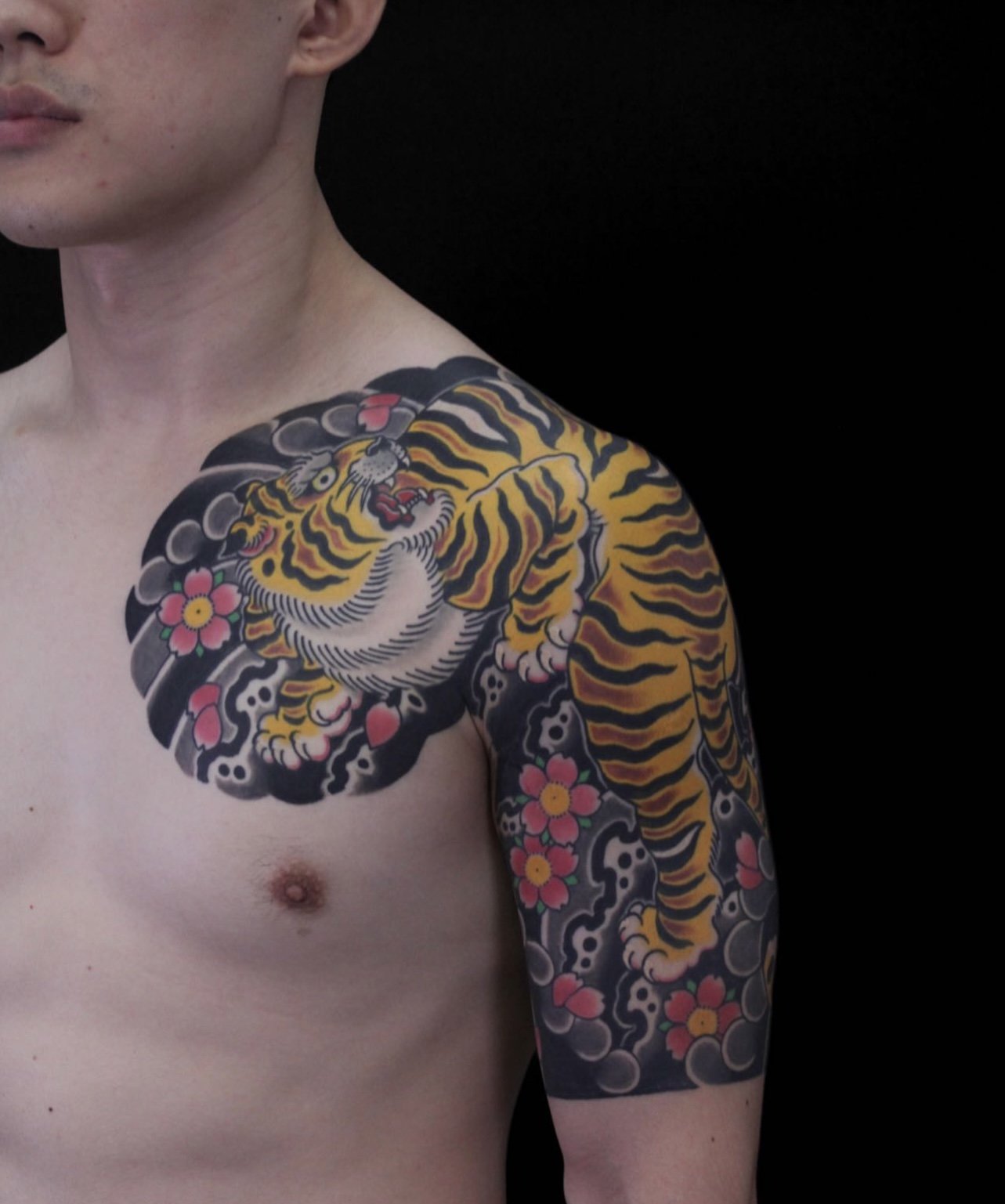


Horiyama was born and raised in Hiroshima, Japan and has now been tattooing for over 8 years. She specialises in Traditional Japanese Irezumi tattoos. Her style is bright, bold, and simple, carrying on a long tradition of tattooing from her country of birth.


Gordy began his apprenticeship under Tom Tom in 2021, focussing on bright and bold traditional Japanese and American tattooing. He is dedicated to learning everything Japanese traditional, combining this with his expert illustration skills makes for some stand out classic tattoos. Keep an eye out for some of his larger scale work being completed in the next couple of months.


Get in touch if you’ve been thinking about getting some traditional Japanese work done - we’re here to help you out and answer any questions you might have about the process. Fill out one of our contact forms here or email us at info@sunsettattoo.co.nz to get started!
Symbolism of Omamori in Japanese Tattooing
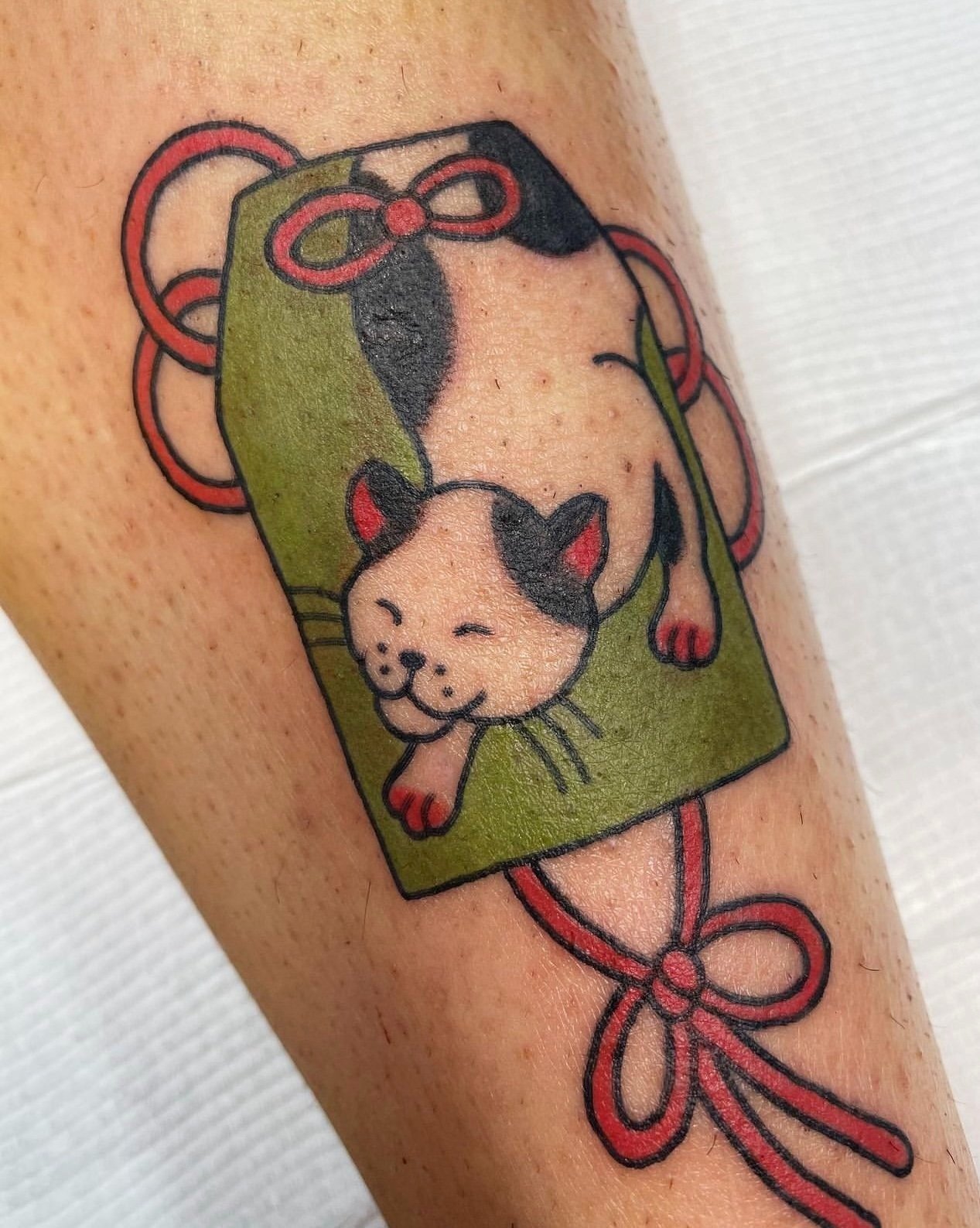
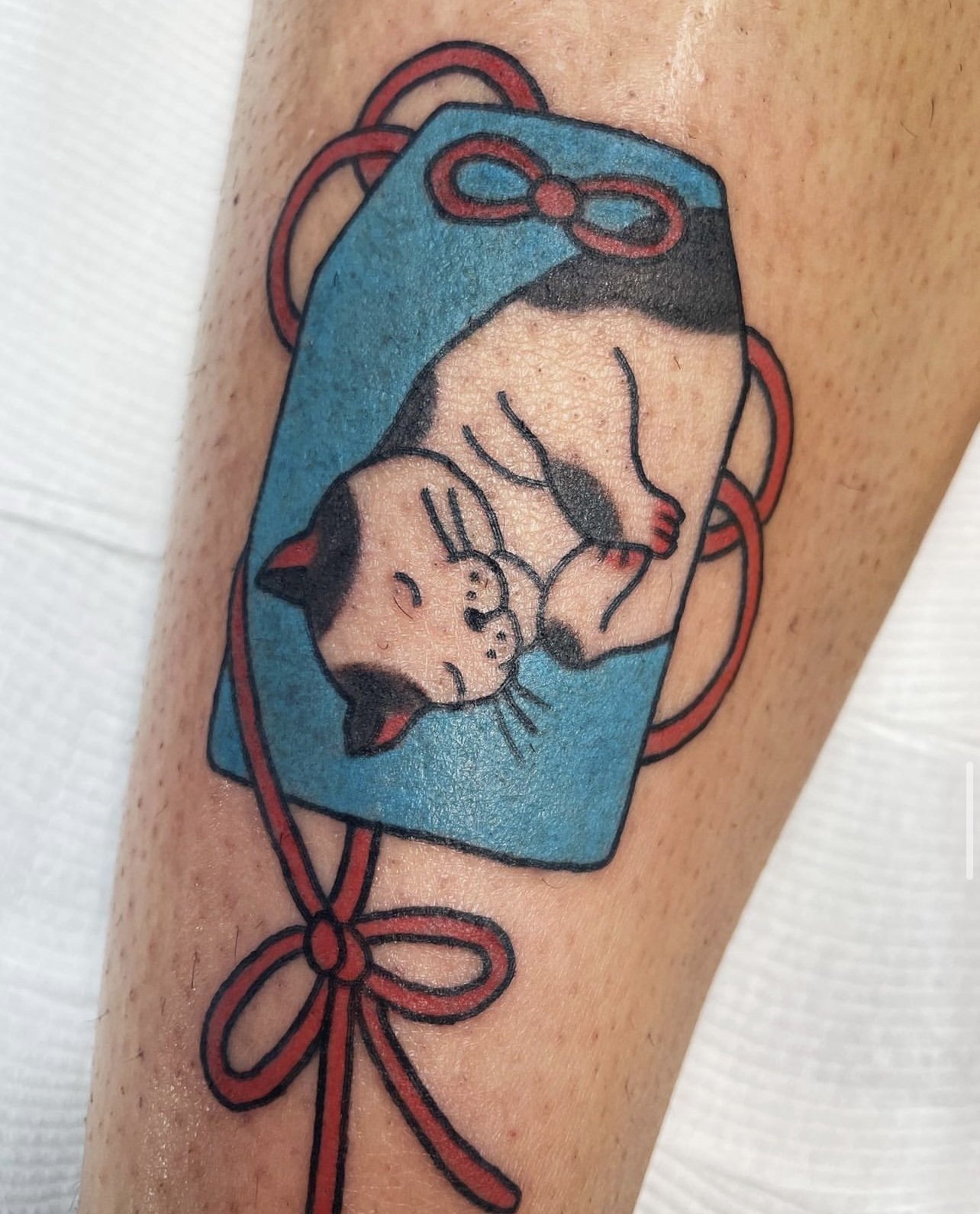
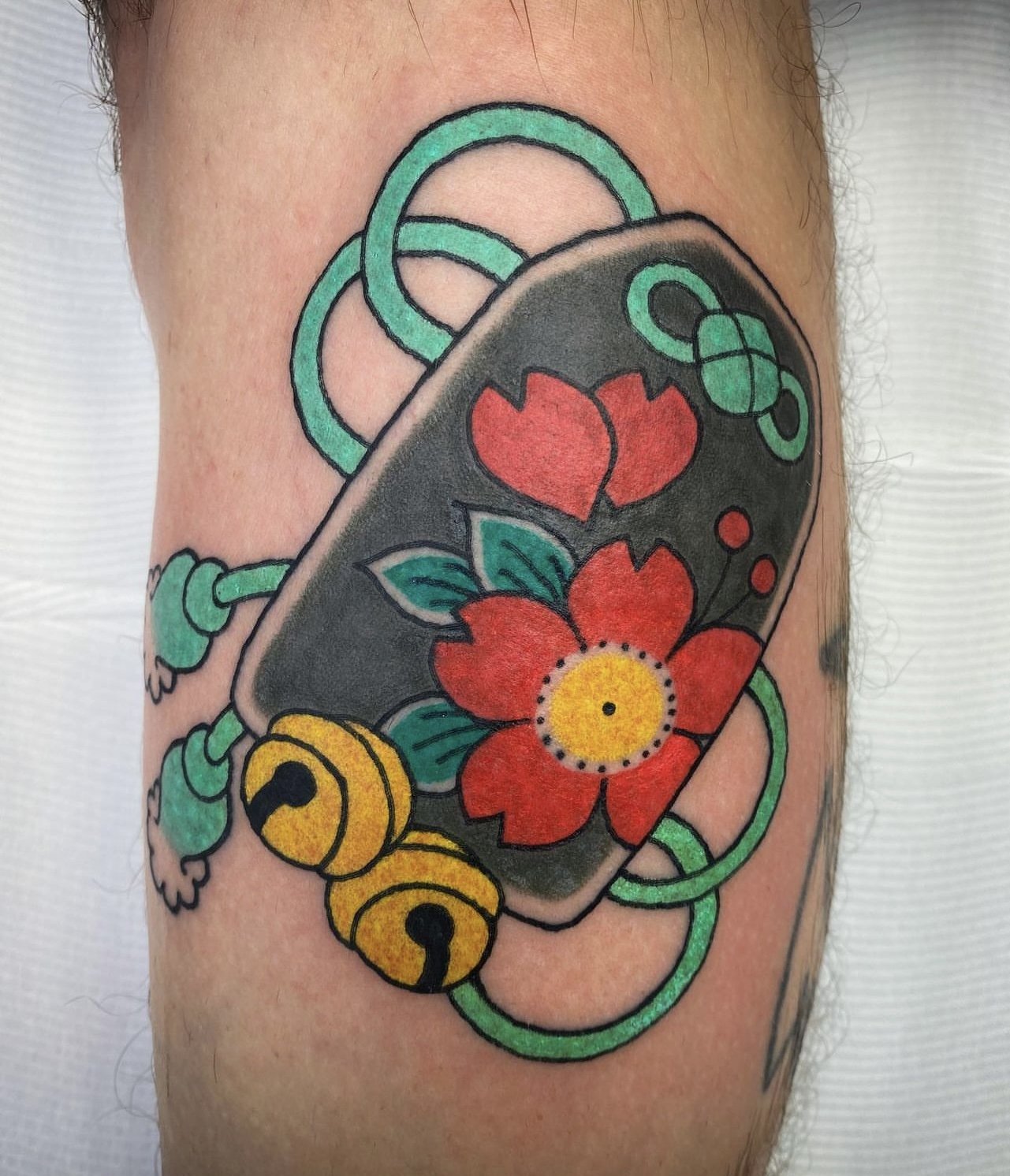
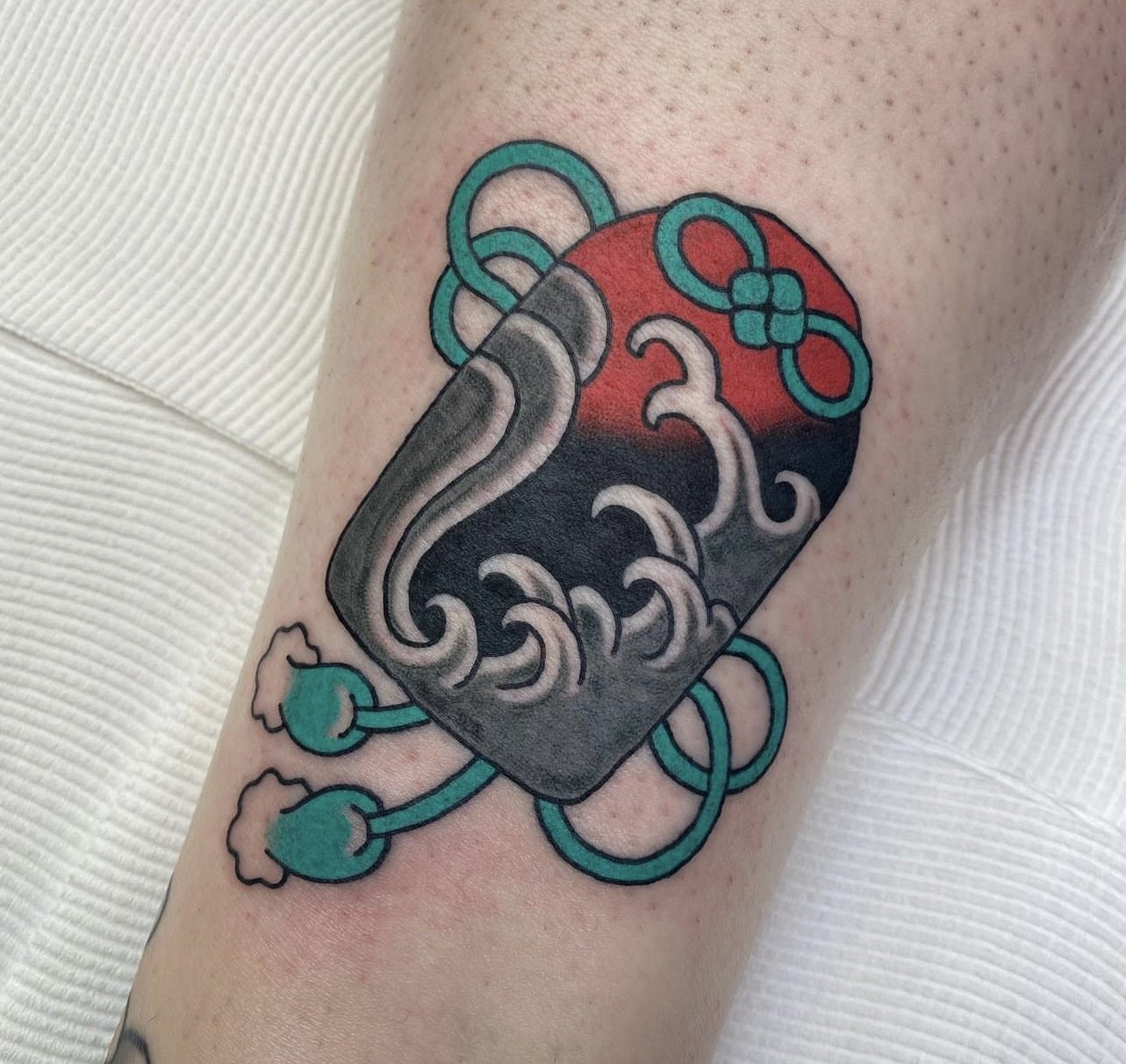
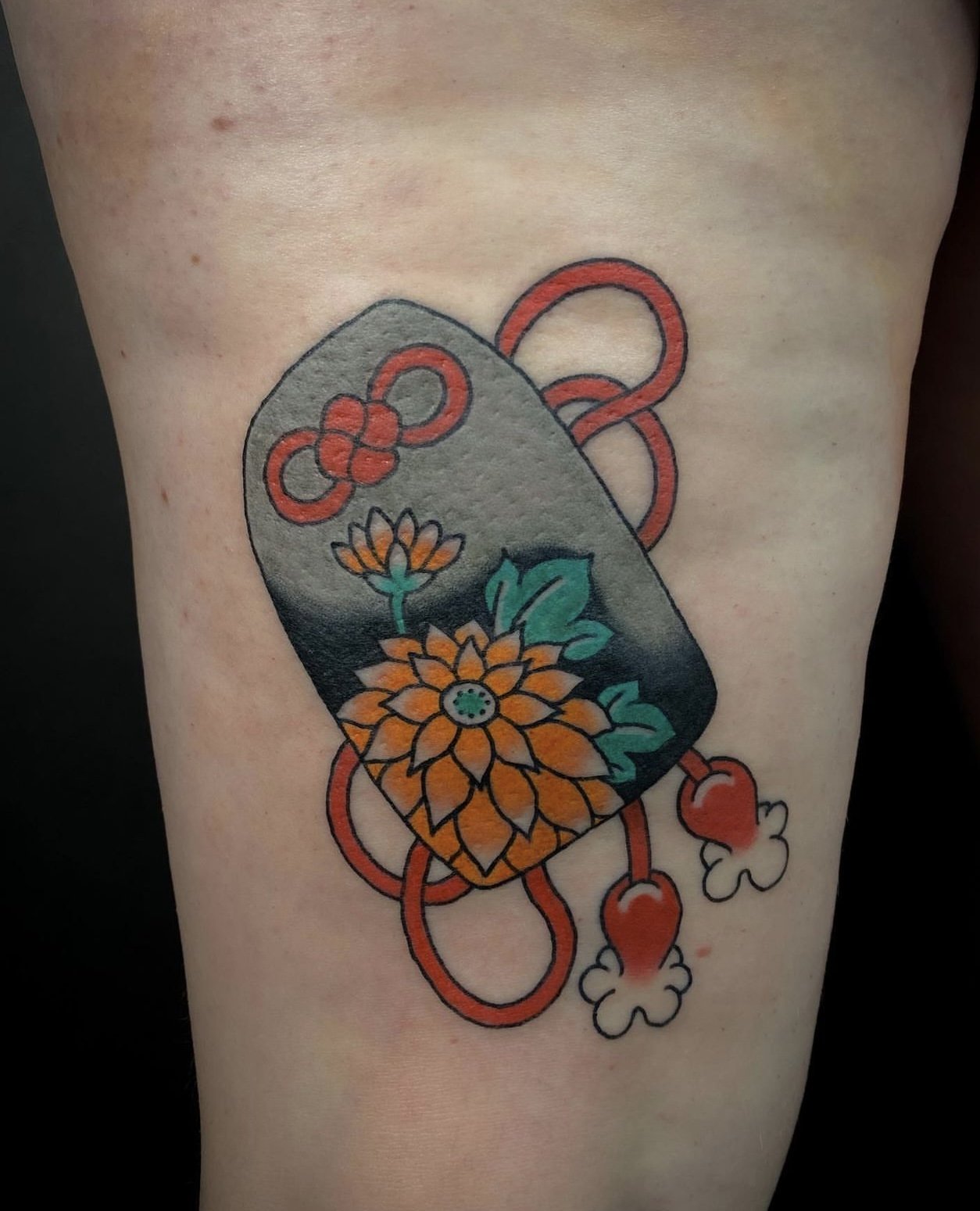
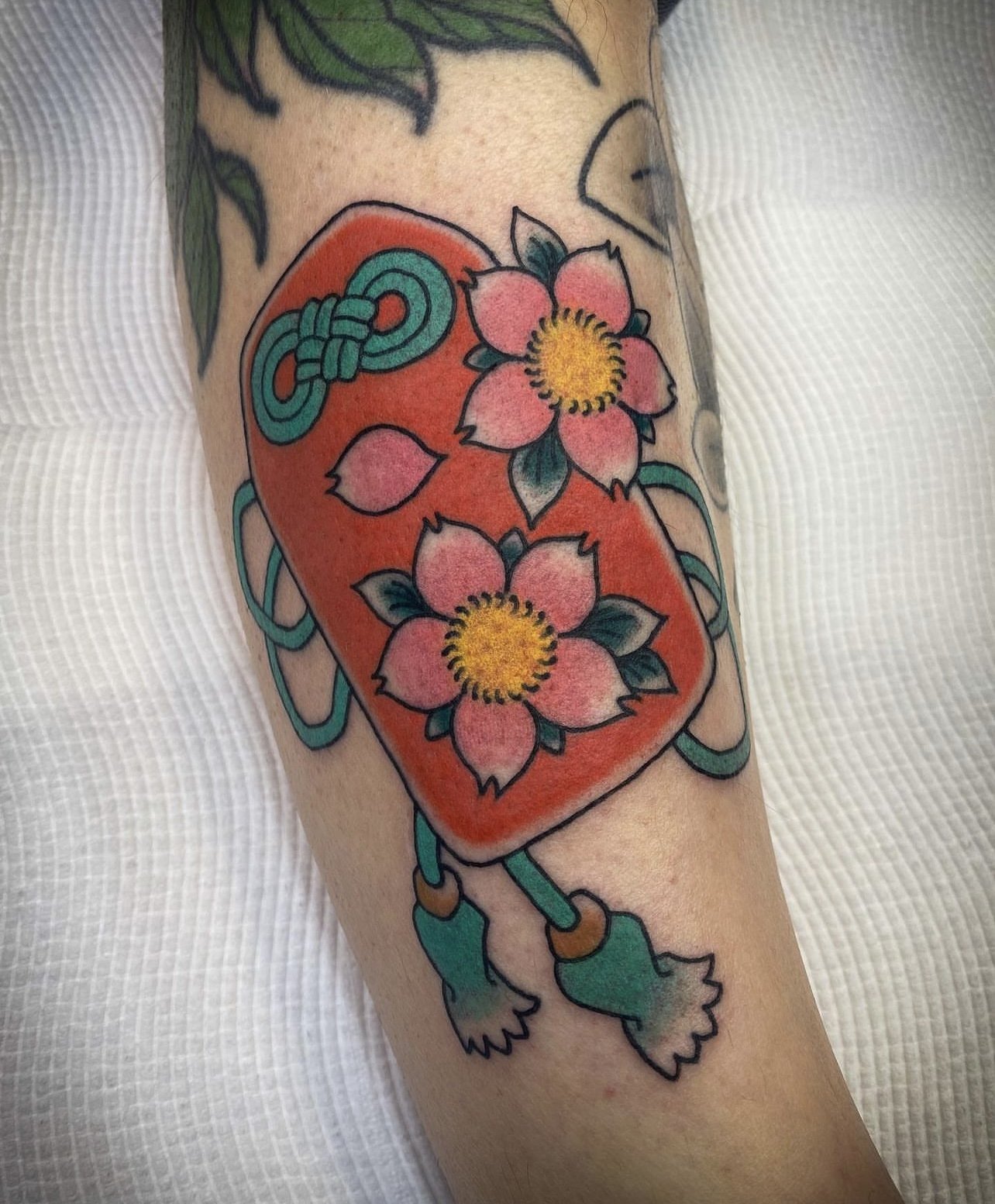
The Omamori are Japanese amulets and charms that bring the wearer protection throughout their lives. The Japanese word omamori comes from the term mamoru which means to protect.
There are many theories about the exact time of the omamori’s origin. The most common theory is that omamori were based on magatama (comma-shaped stone jewels). Magatama appeared sometime in the Jomon Period (14,000–300 BCE).
People originally wore magatama to ward off evil spirits. From then on, temples and shrines sought ways to promote their religions to ordinary people. Visiting a temple or shrine at the time was difficult because they were pretty far. So priests combined the Shinto/Buddhist belief of animism with leaving pieces of wood or stone near dwellings. This began the precursor of modern omamori and eventually spread to the general public.
Additionally, the closest thing to what omamori is like today first emerged in the Heian Period (794–1185). People started carrying them with personal belongings during the Kamakura Period (1192 – 1333). Eventually, priests made hundreds of different types of omamori for different occasions. As a result, you can find whichever ones you want at shrines and temples. Most omamori have similar features: fuda – a small written prayer or invocation. Priests/manufacturers then wrap the fuda in a silky cloth/bag and stamp it with the shrine/temple’s name. A string is attached, and then a priest prays over it. Moreover, the omamori is sold at shrines or temples for around 300-1000 yen (roughly 2-7 USD) each. Occasionally some shrines or temples may have exclusive omamori that can only be purchased during a set period.
There are many different kinds of Omamori that each bring a different kind of good fortune to its wearer. Have a chat with your tattoo artist for what you’d like your new tattoo to mean. Some of the common meanings are happiness, good luck, health, love and marriage, success and victory.

Snakes (Hebi) in Japanese Tattooing
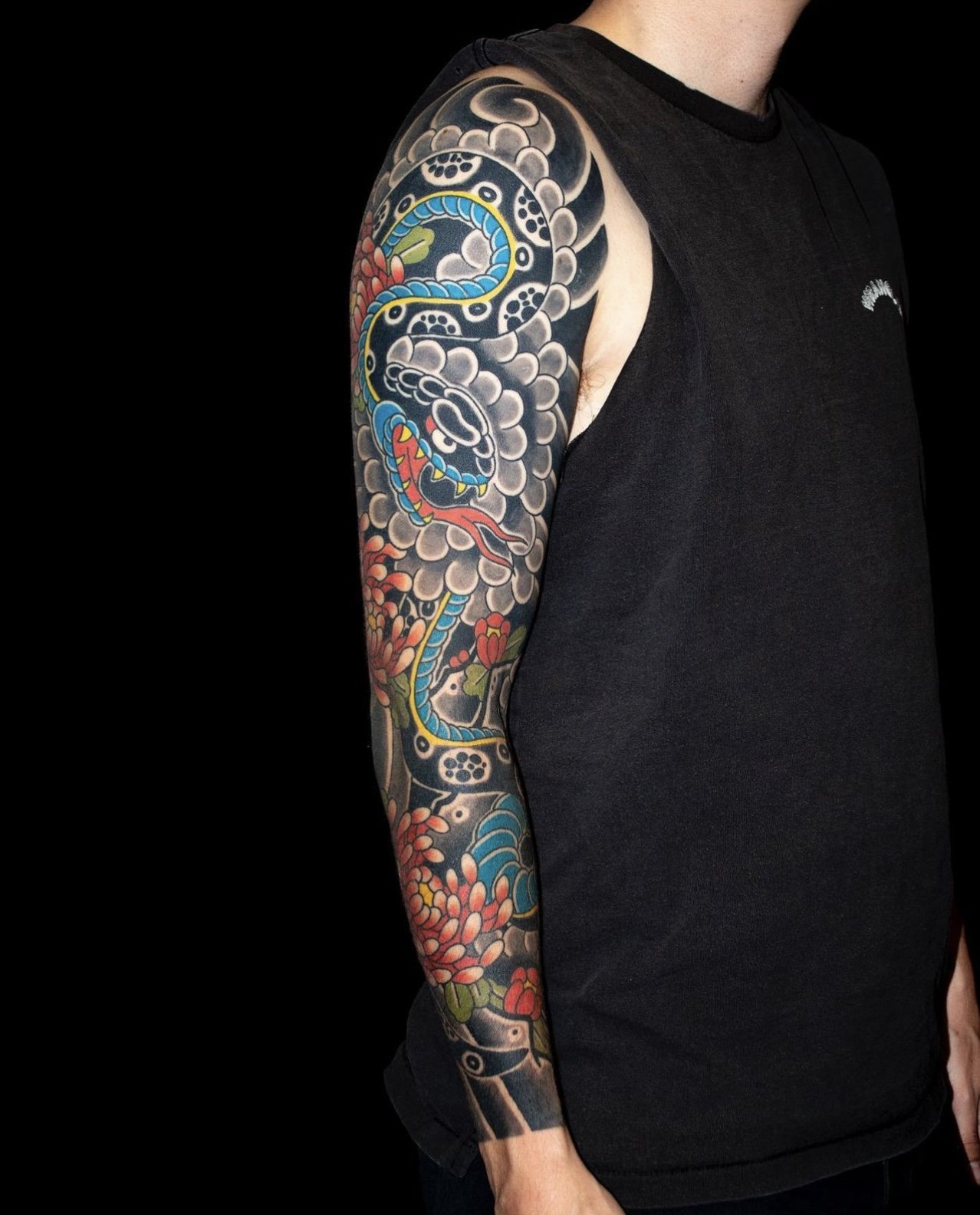
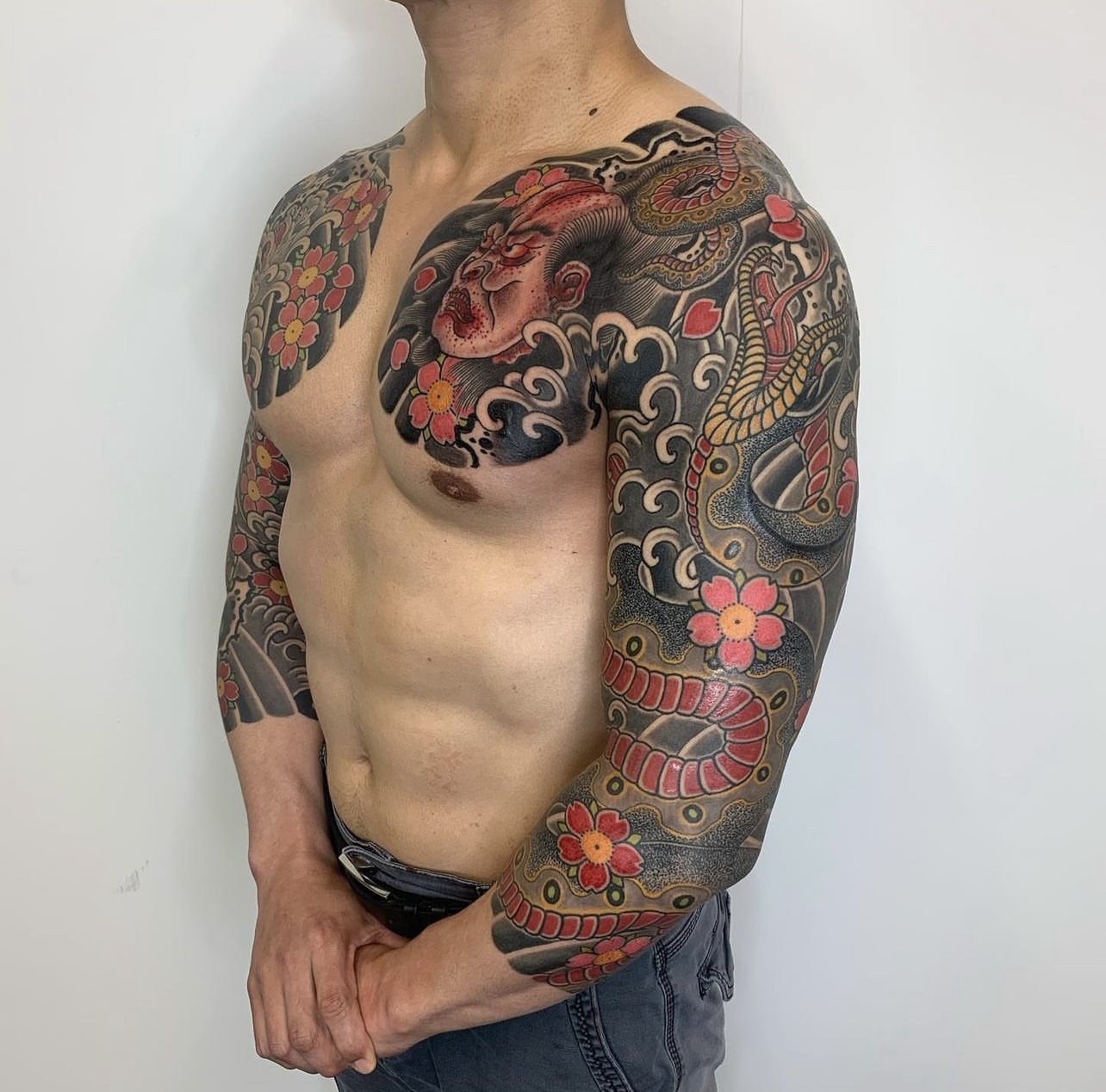
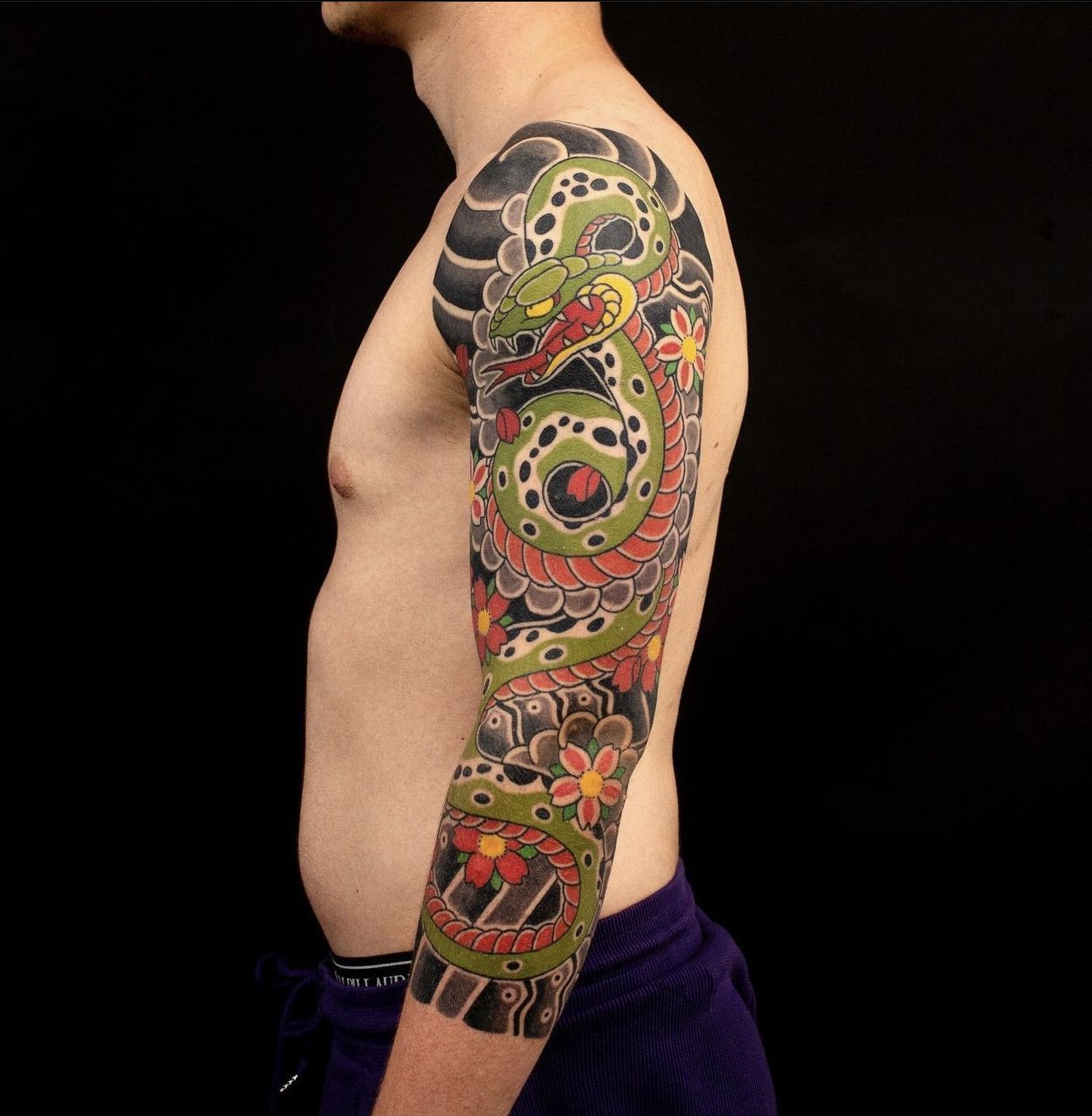
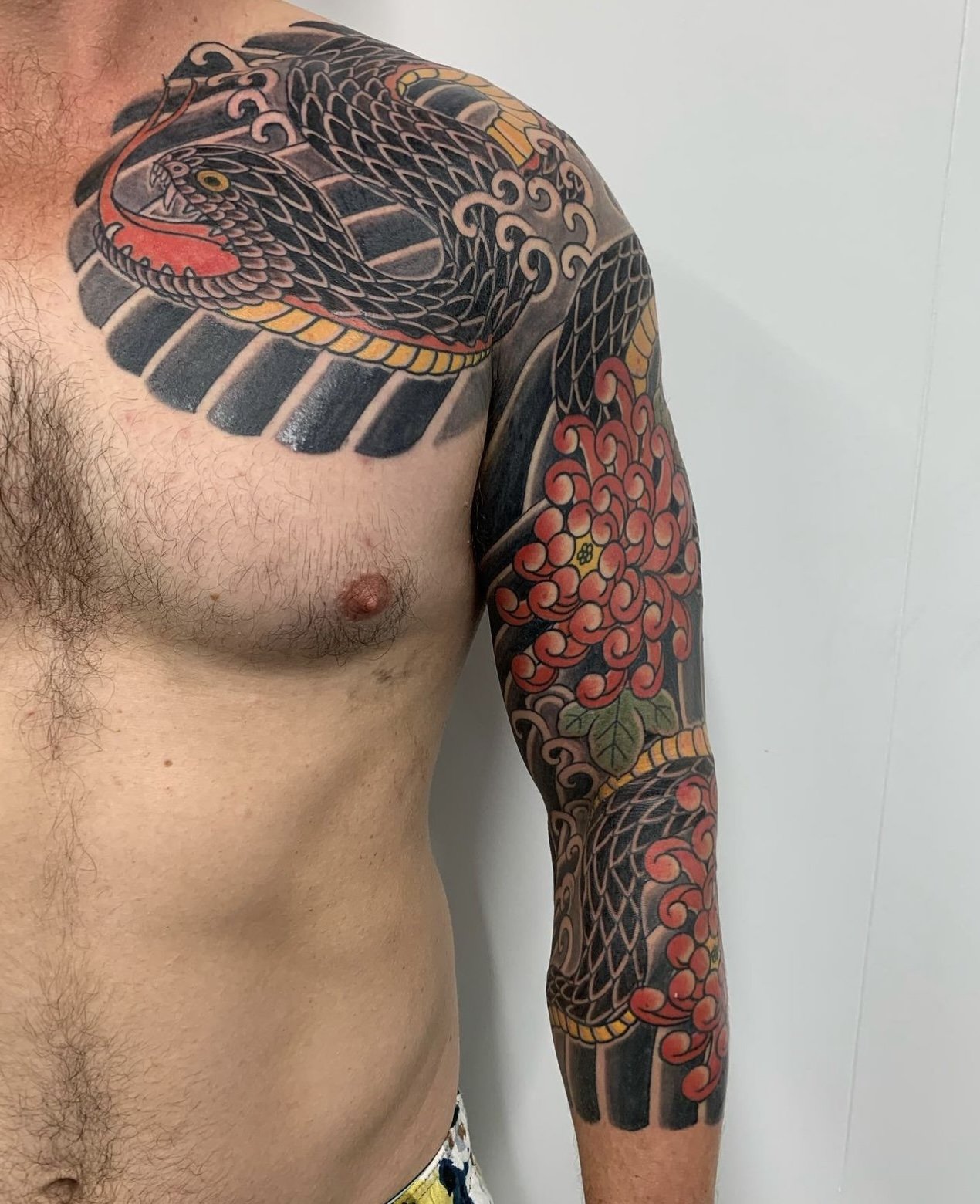
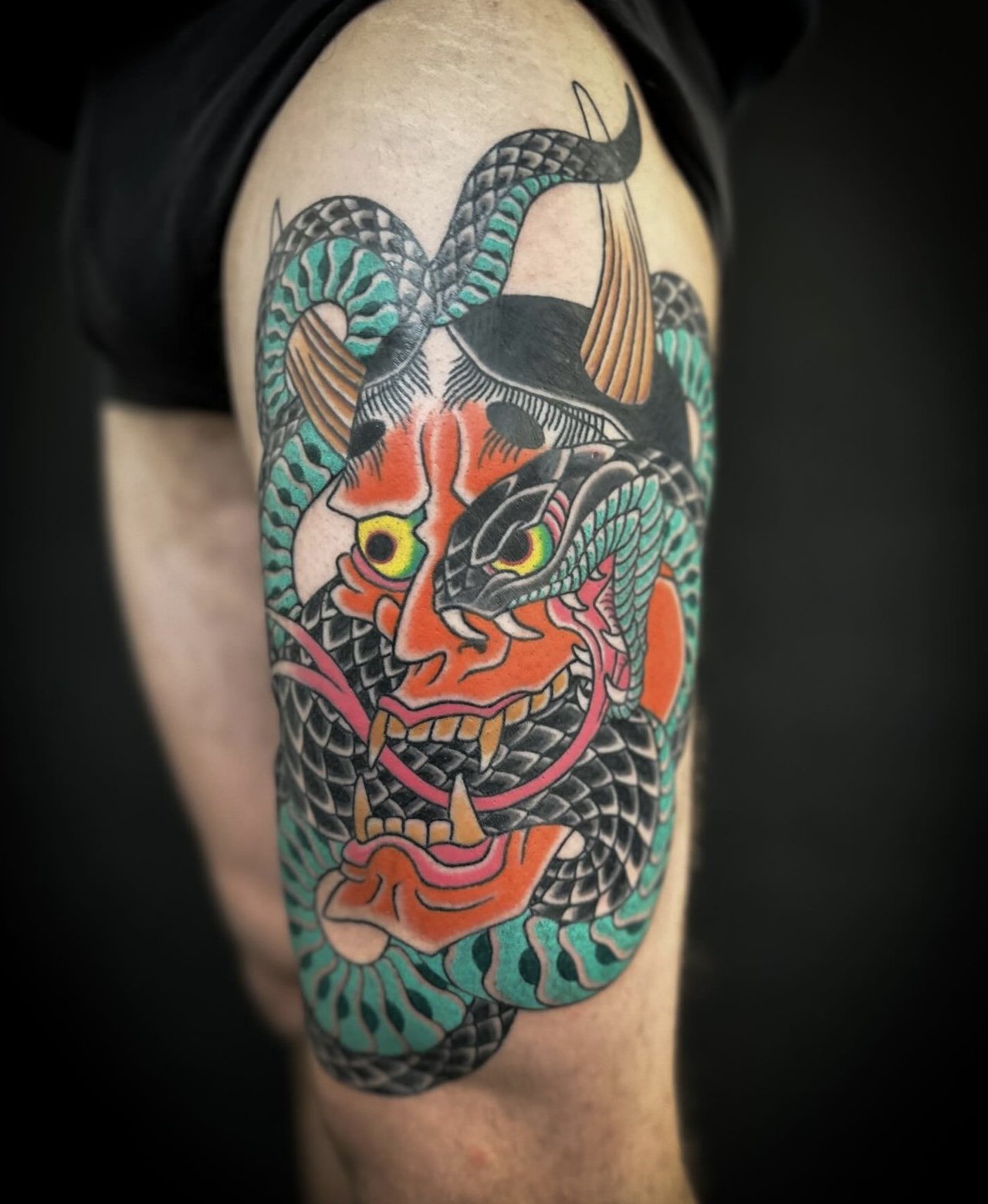
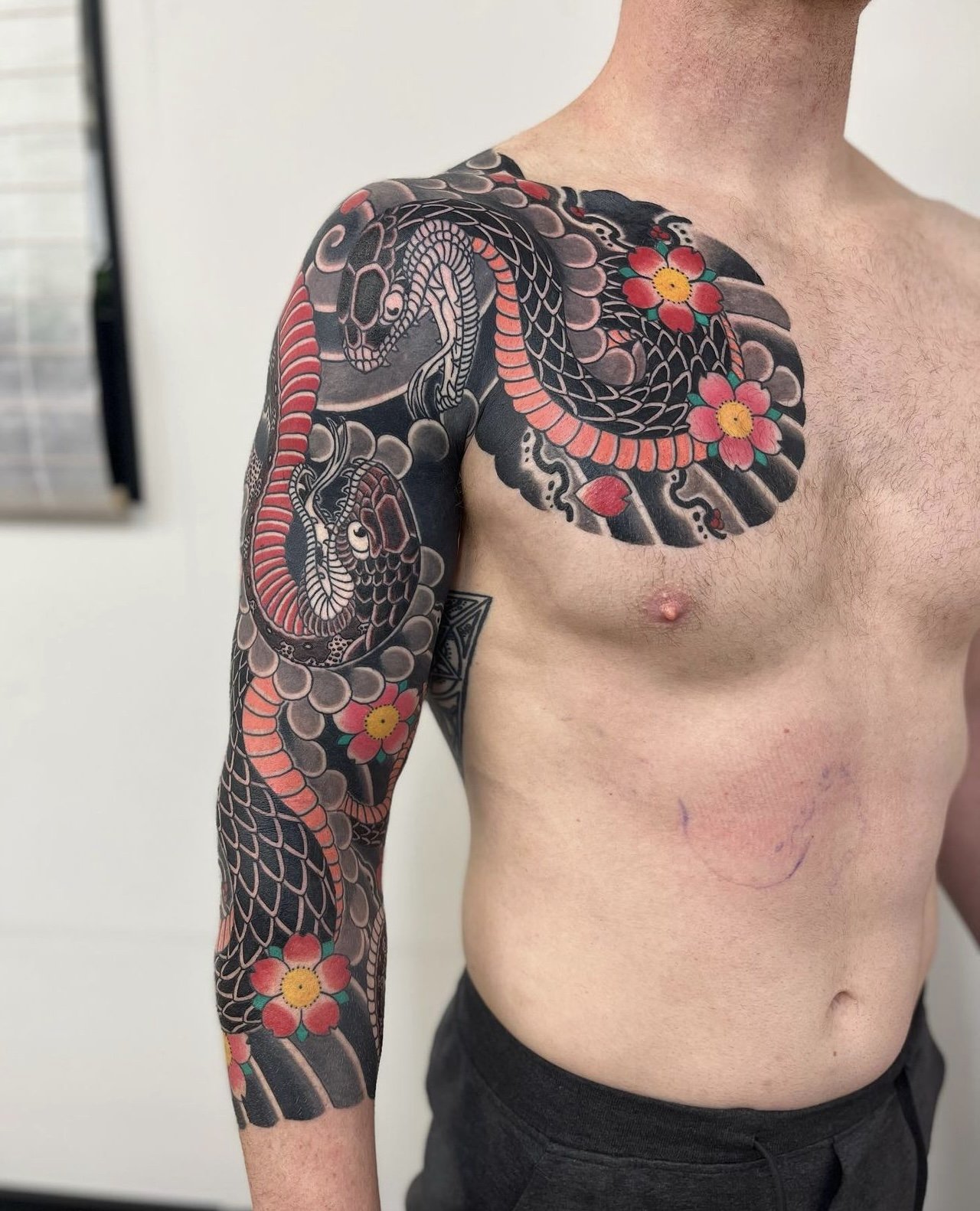
The snake (Hebi) in Irezumi holds deep meaning in Japanese culture and folklore. It is seen as a symbol for protection, transformation and rebirth. In certain Shinto beliefs, they are seen as messengers and incarnations of deities, often worshipped in temples and believed to bring blessing and ward off evil.
There is a certain duality to the symbolism of a snake tattoo, while it stands as a symbol of a guardian; it can also act as a reminder of peril and life’s unforeseen challenges.
The placement and colour choices of your Hebi can also add meaning. When placed on the arm it is a sign of protection, while on your back can hint to overcoming something from your past. A black Hebi can symbolise strength and mystery, colour can add a layer of personal meaning to your tattoo.
GUEST ARTISTS SUMMER 2023/2024
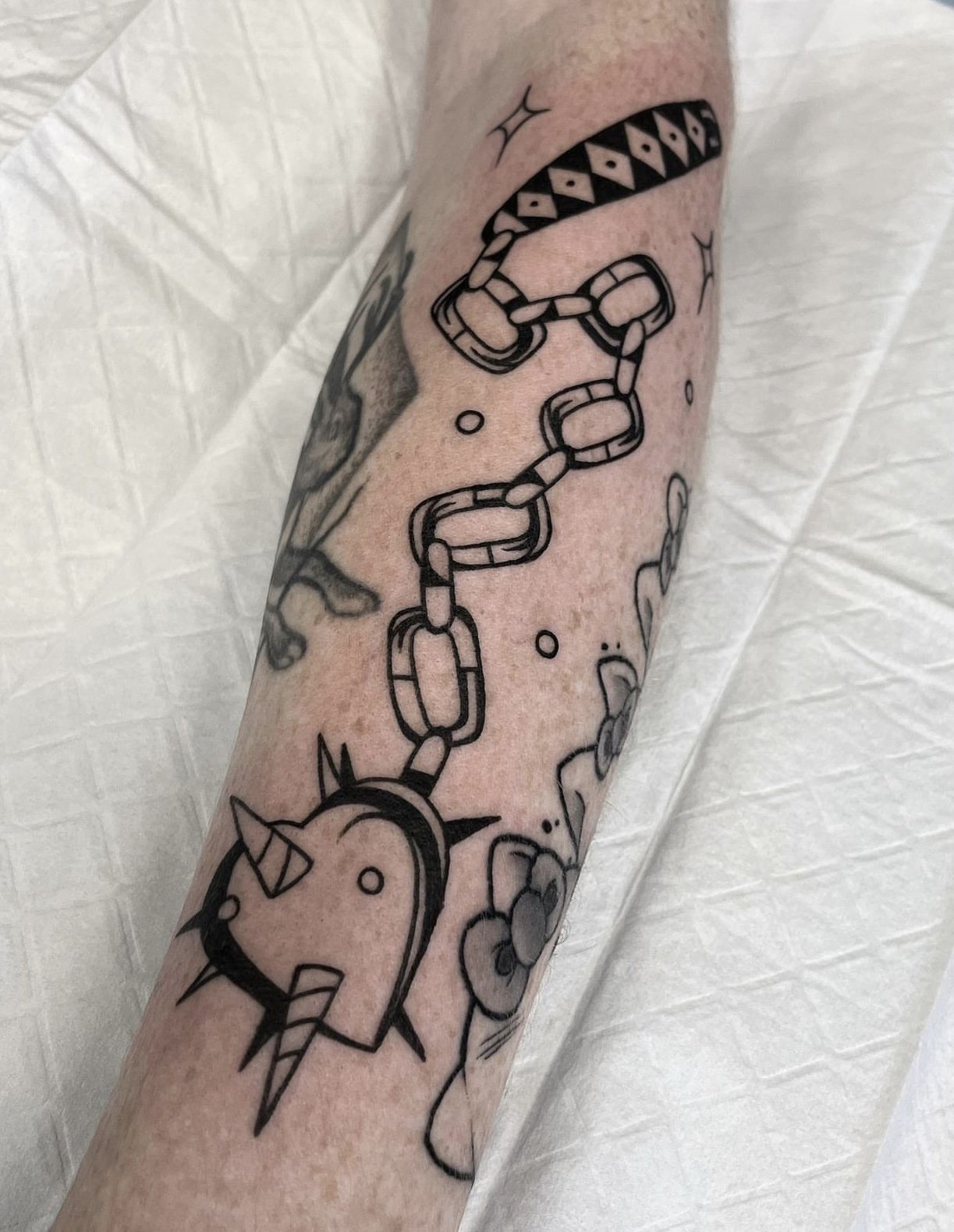
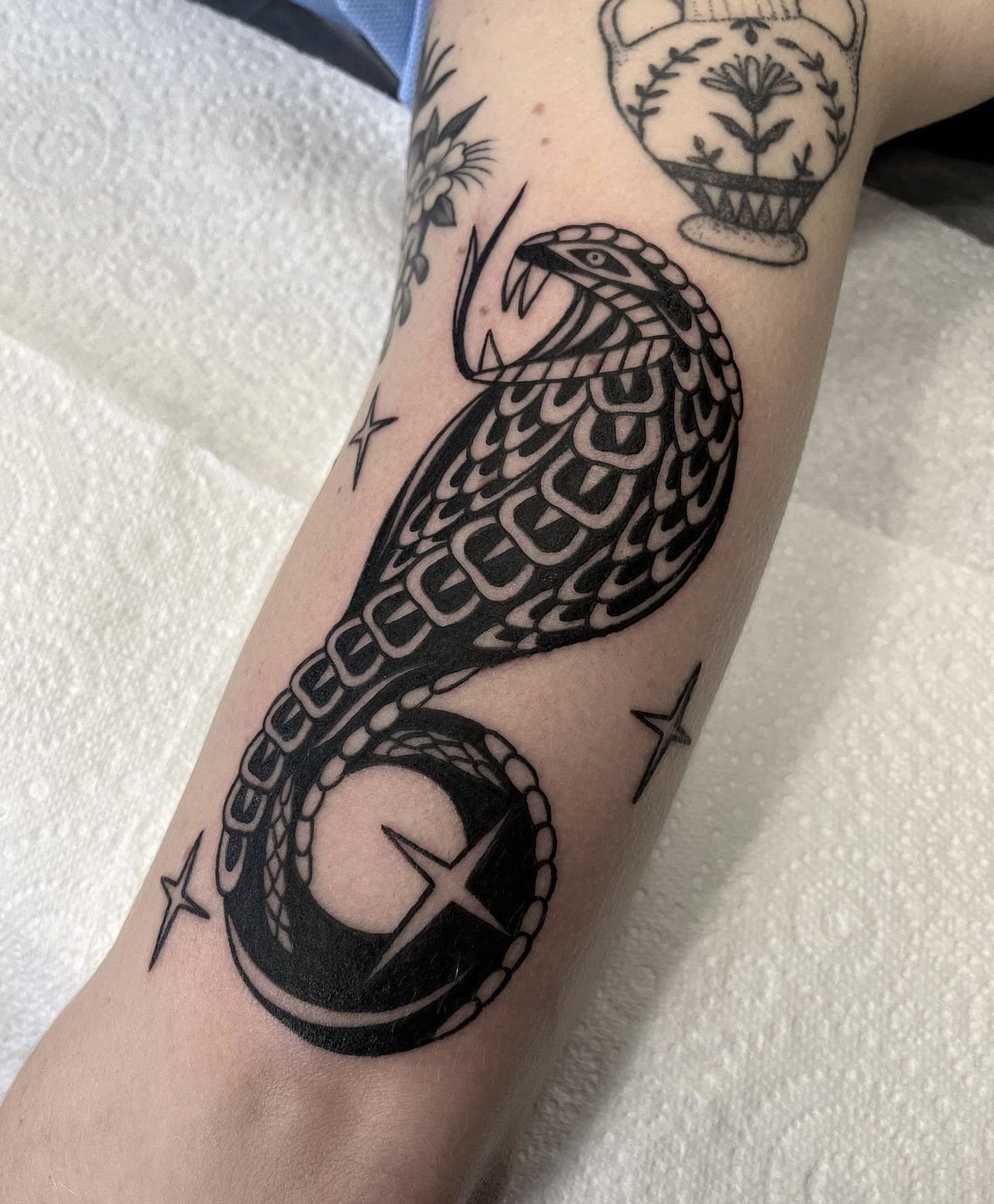
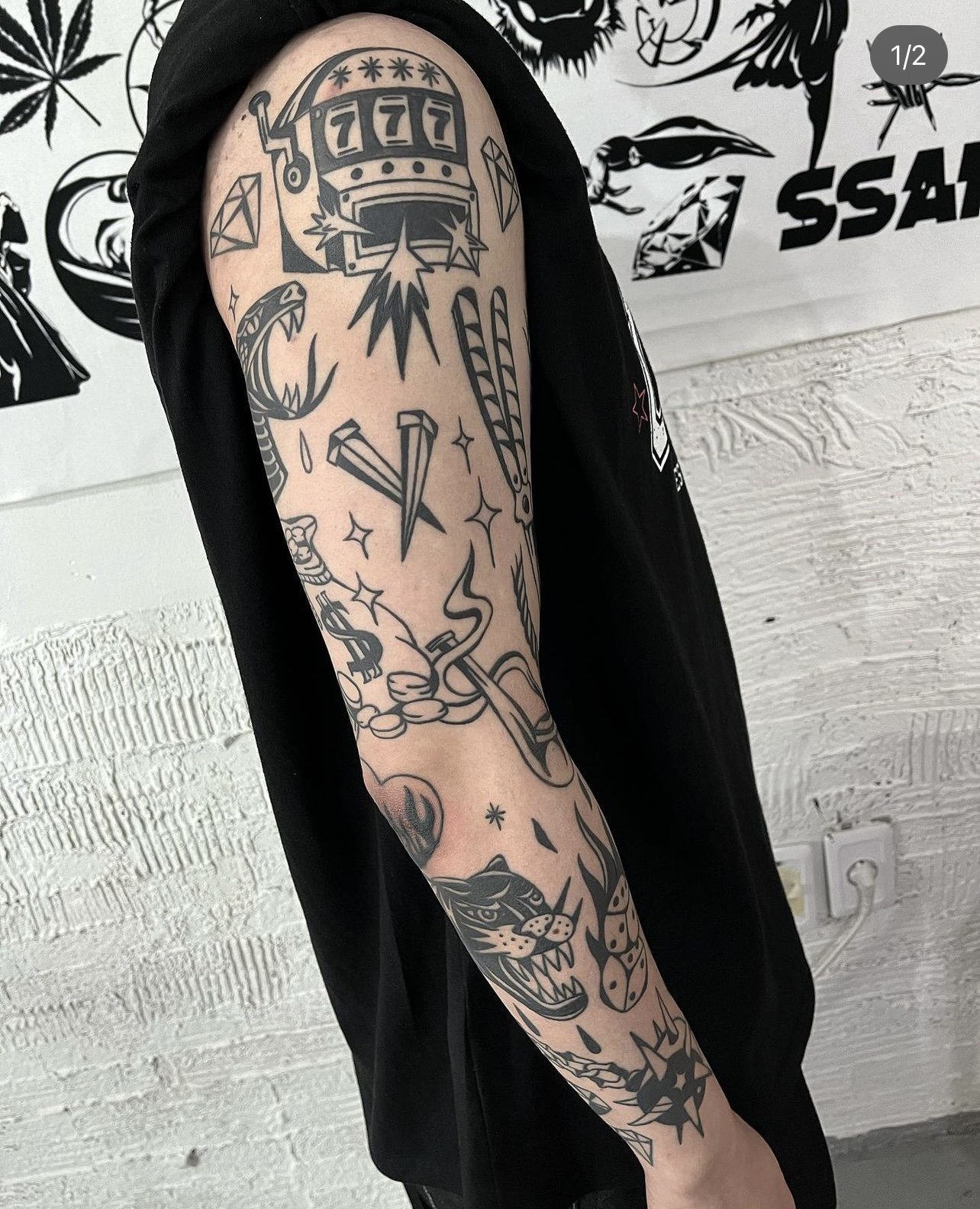
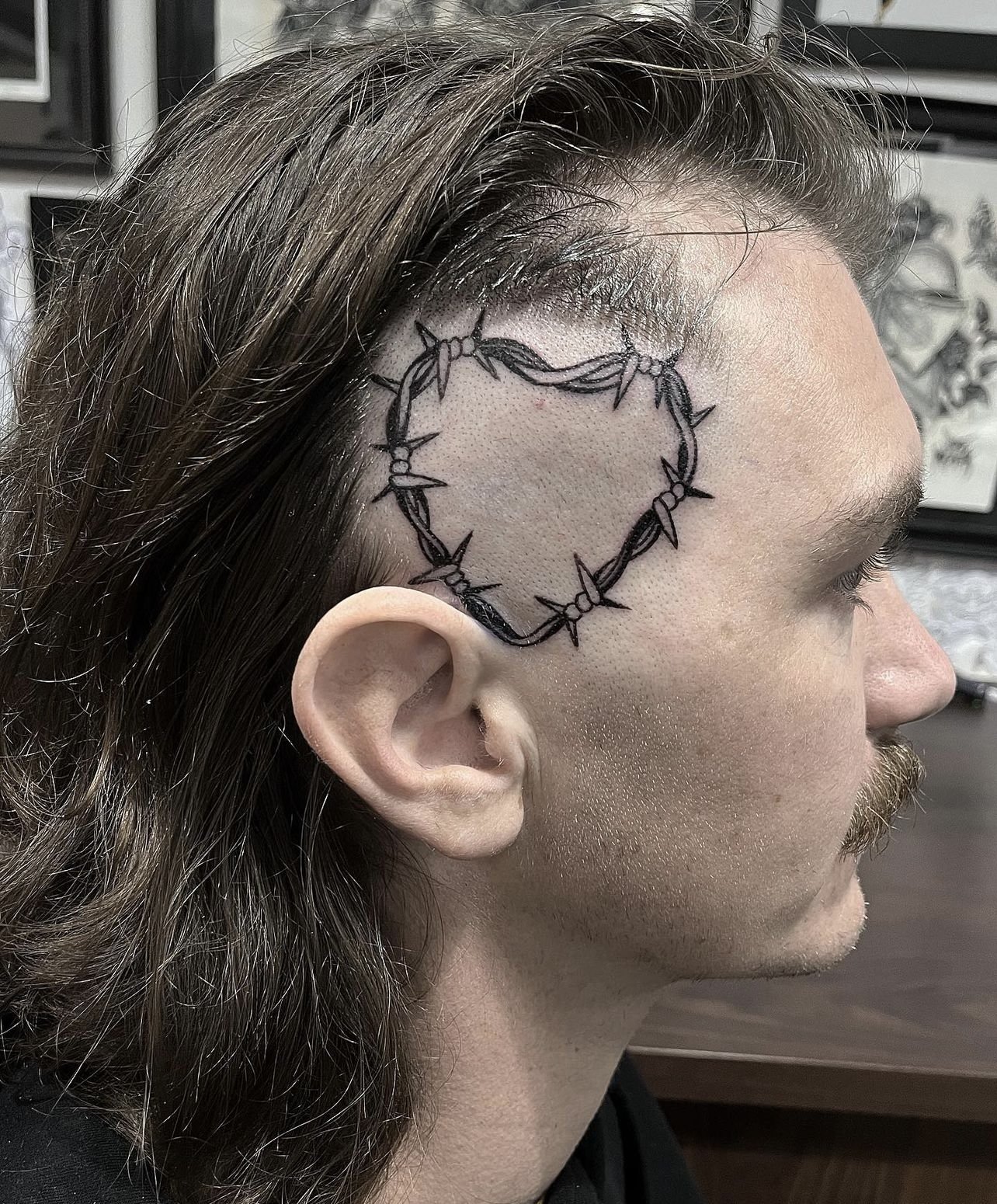
We love hosting guest artists at Sunset and are super proud of the collection of artists we have joining us over the summer of 2023/2024.
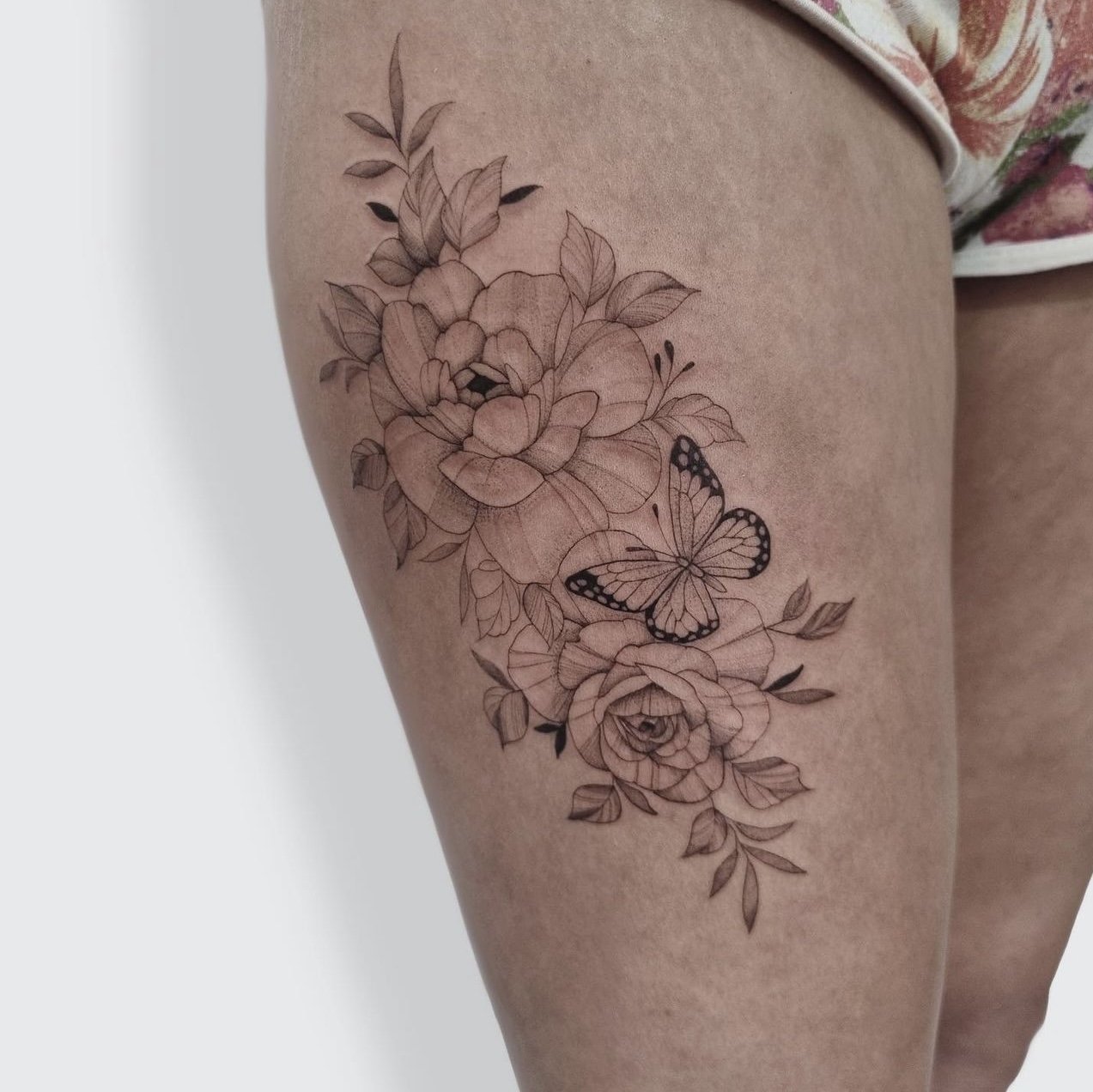
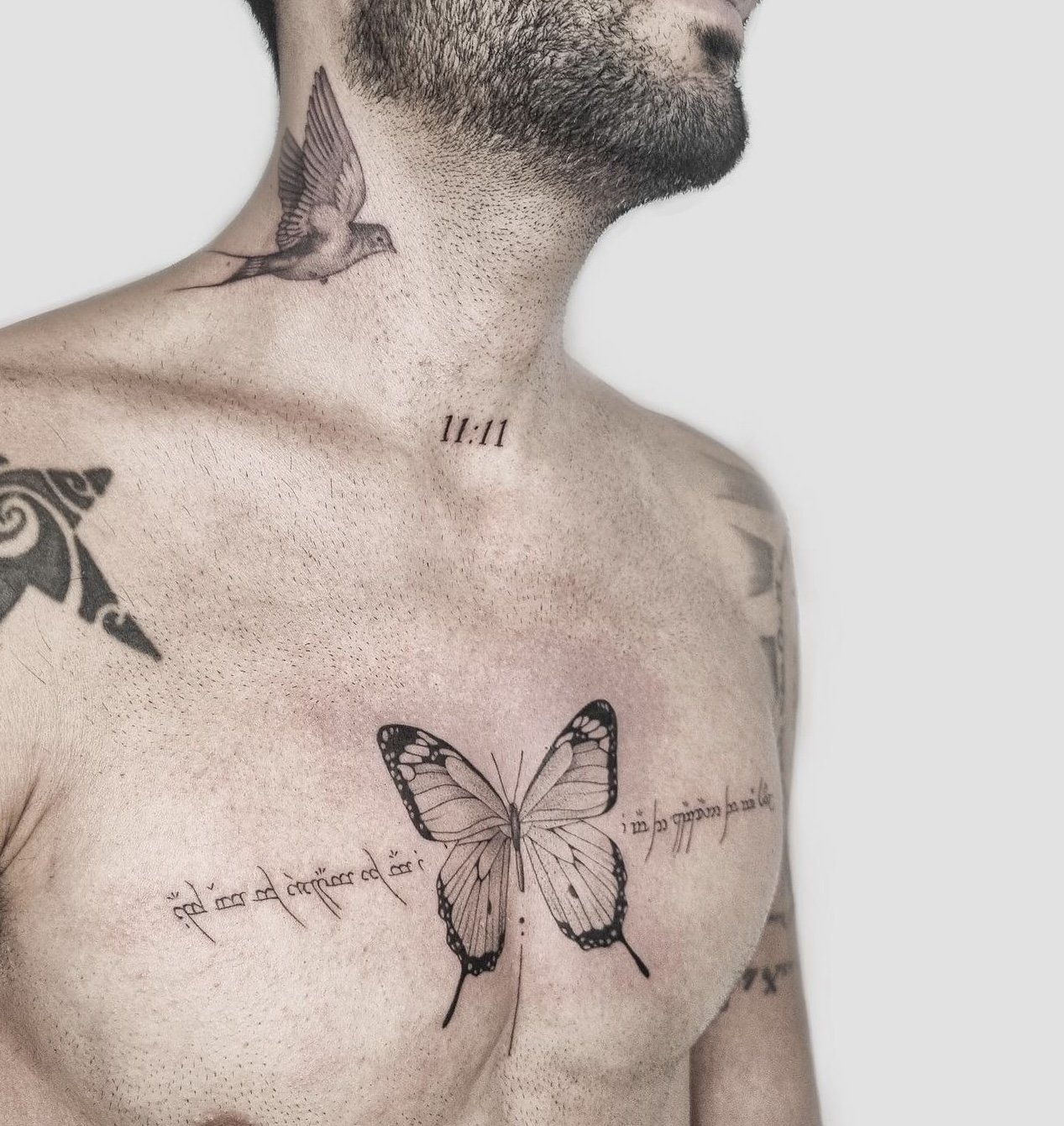
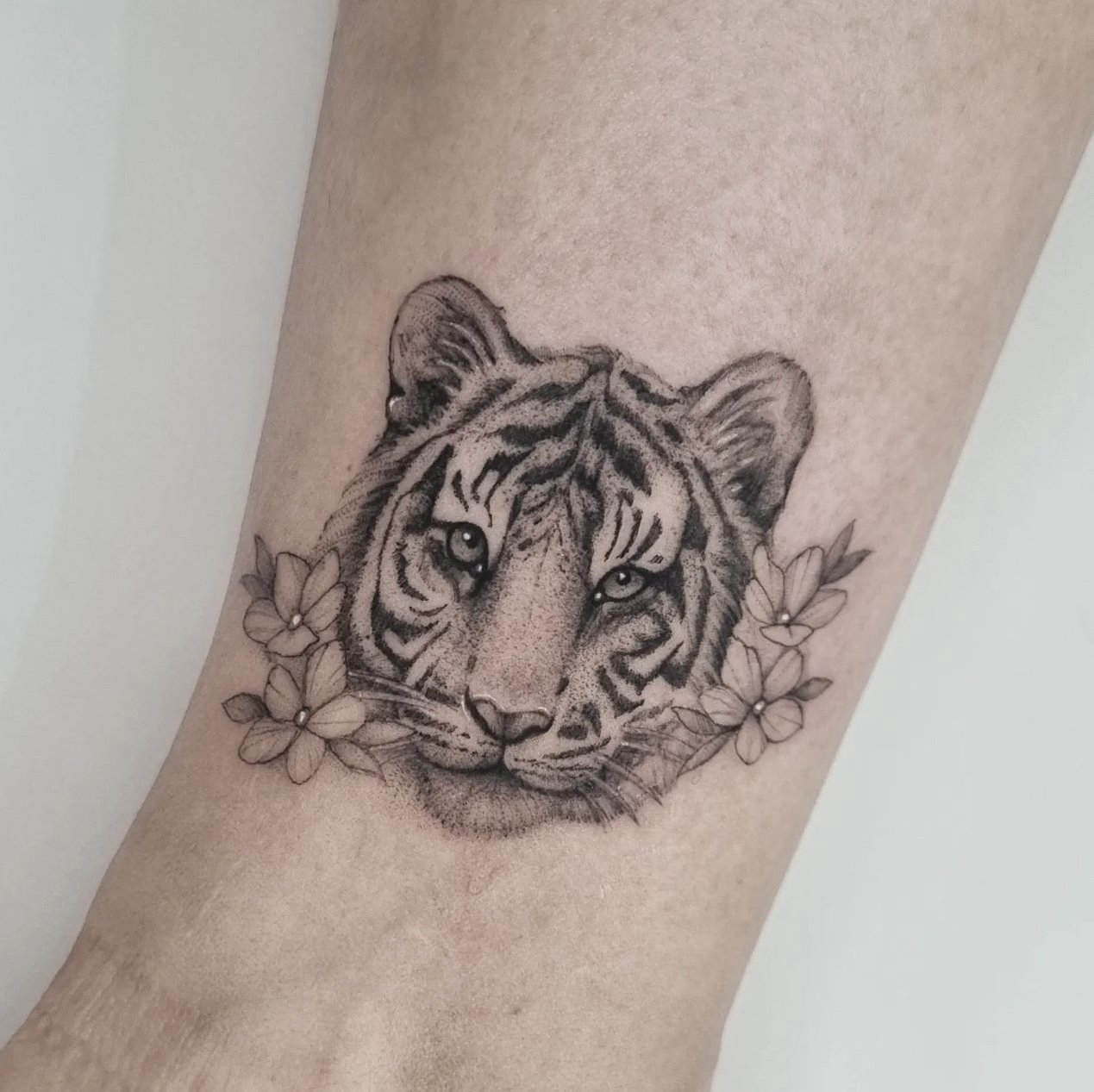
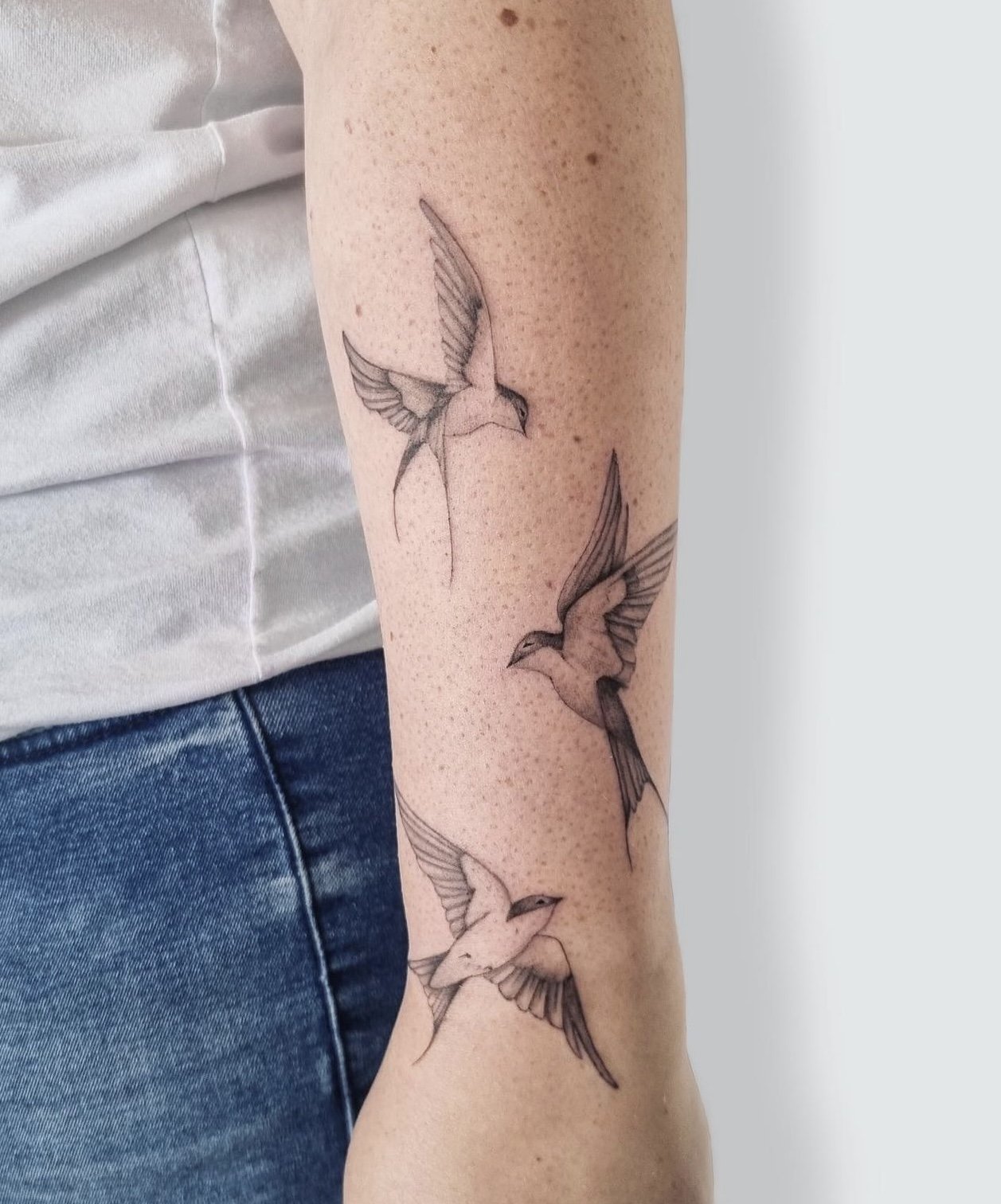
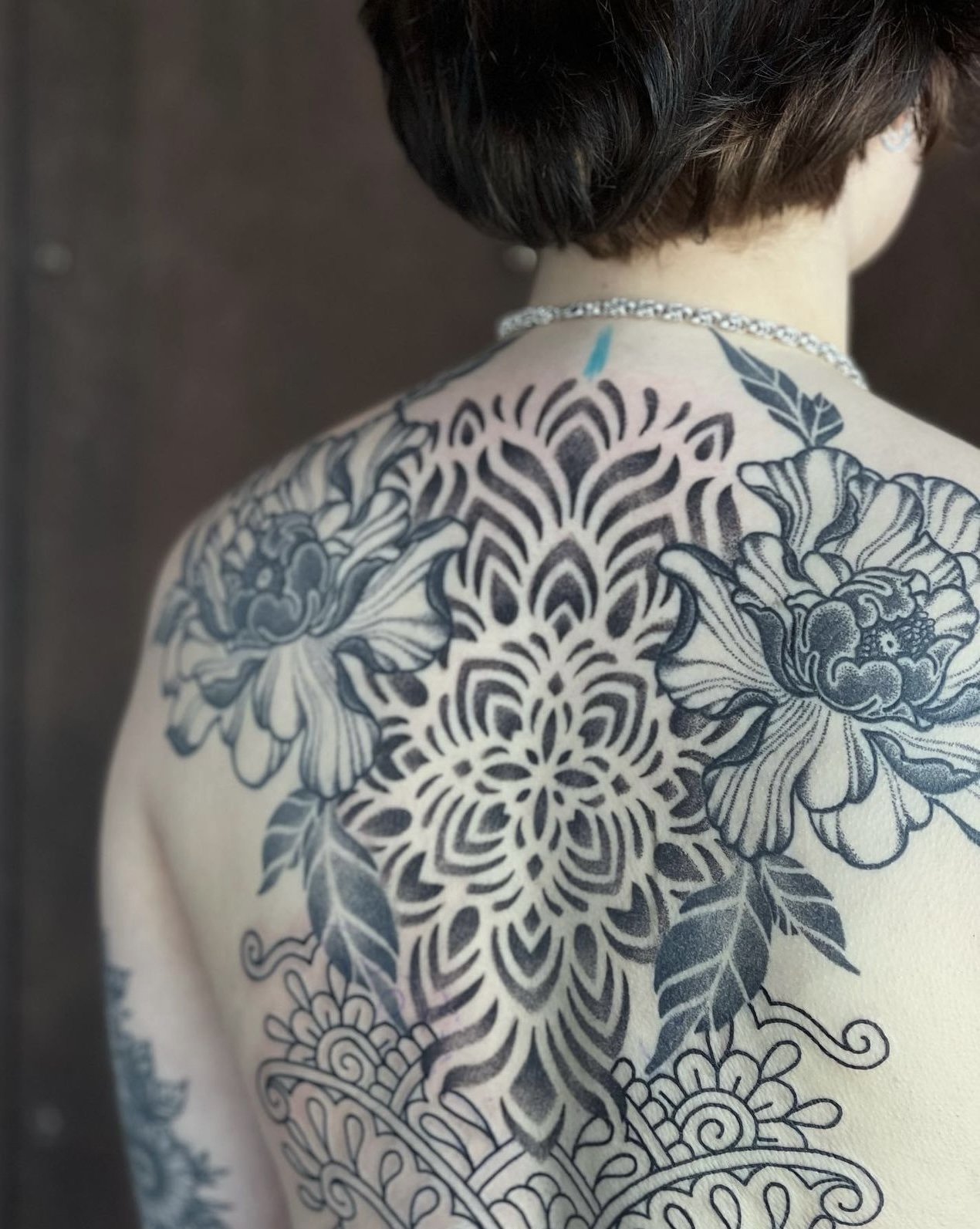
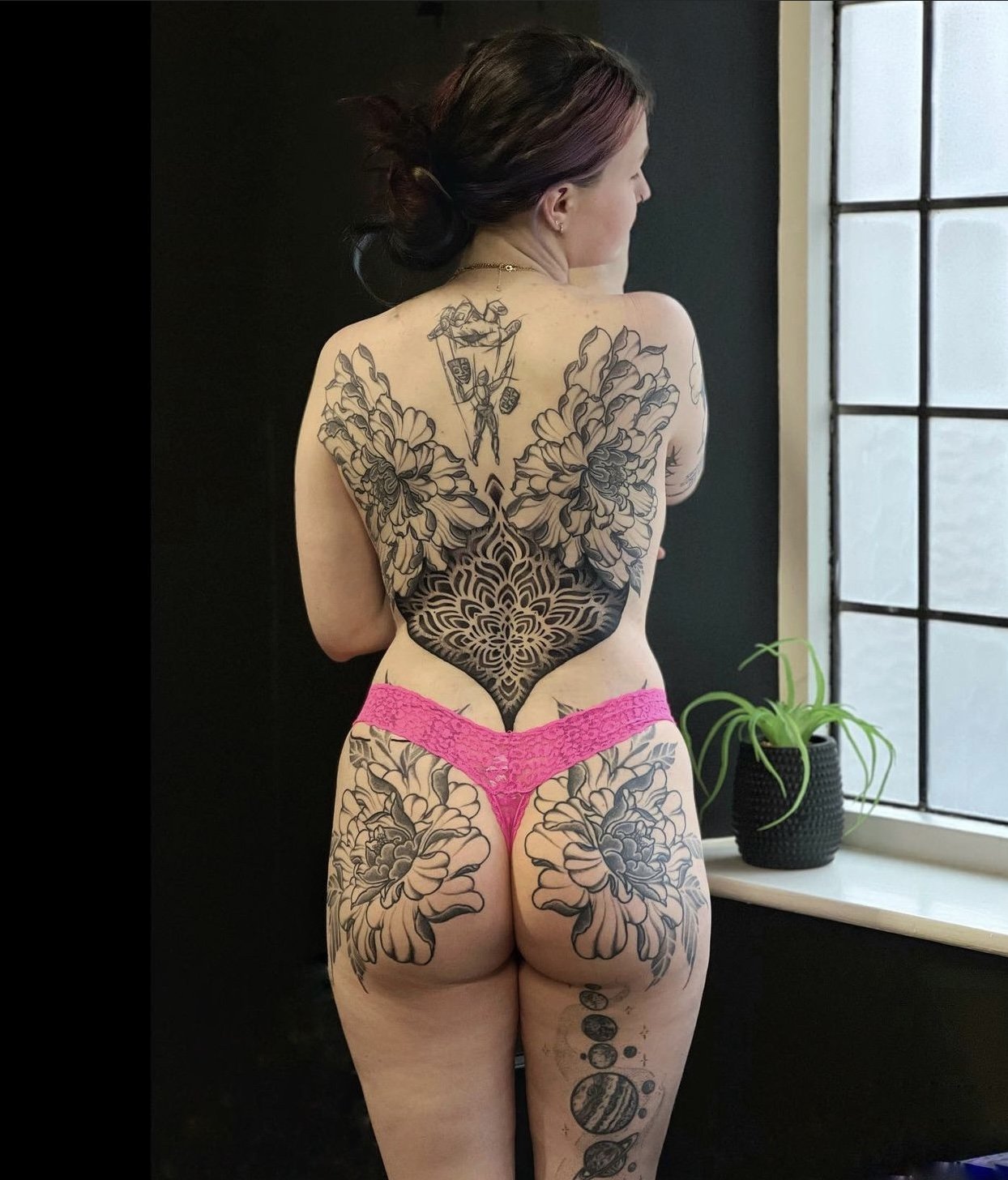
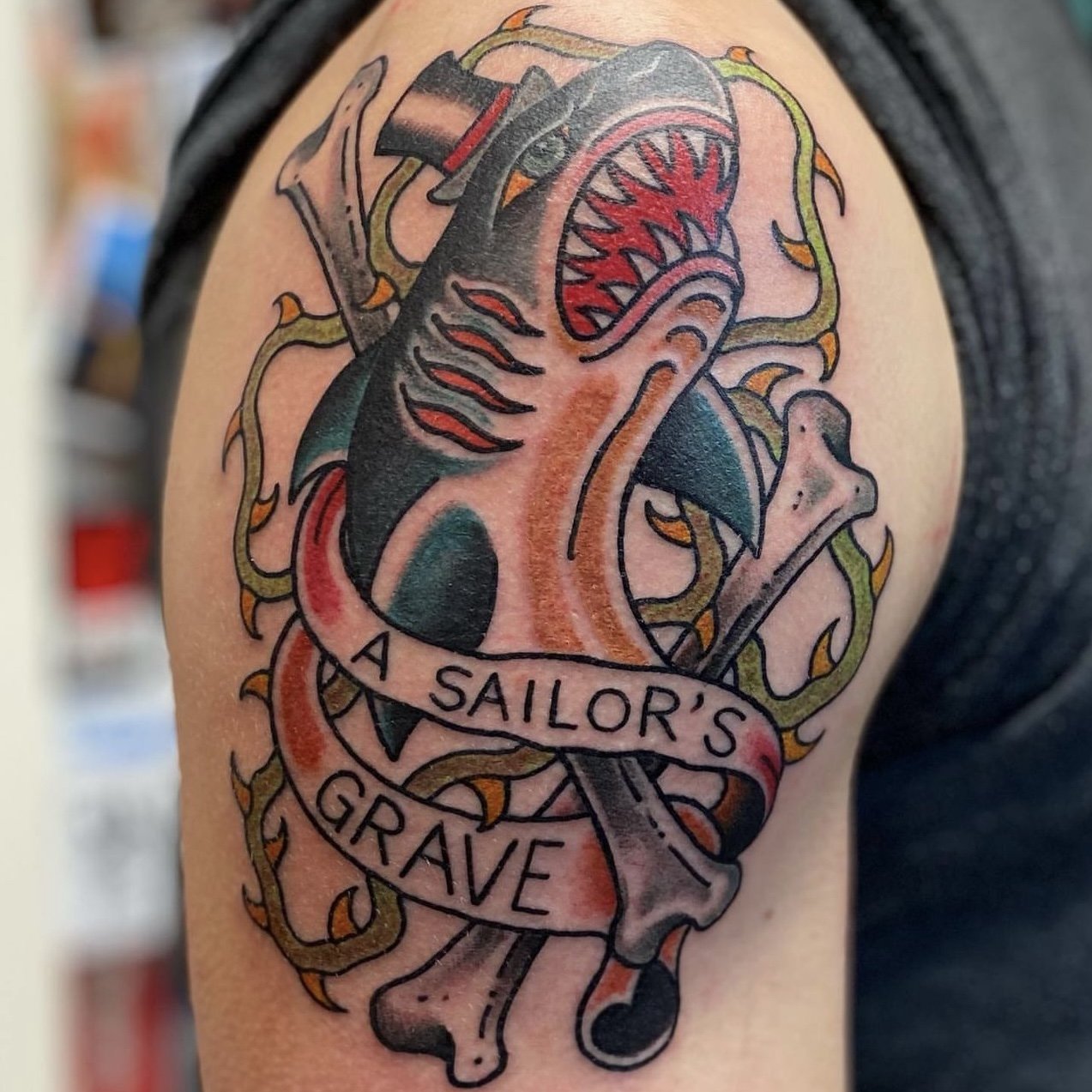
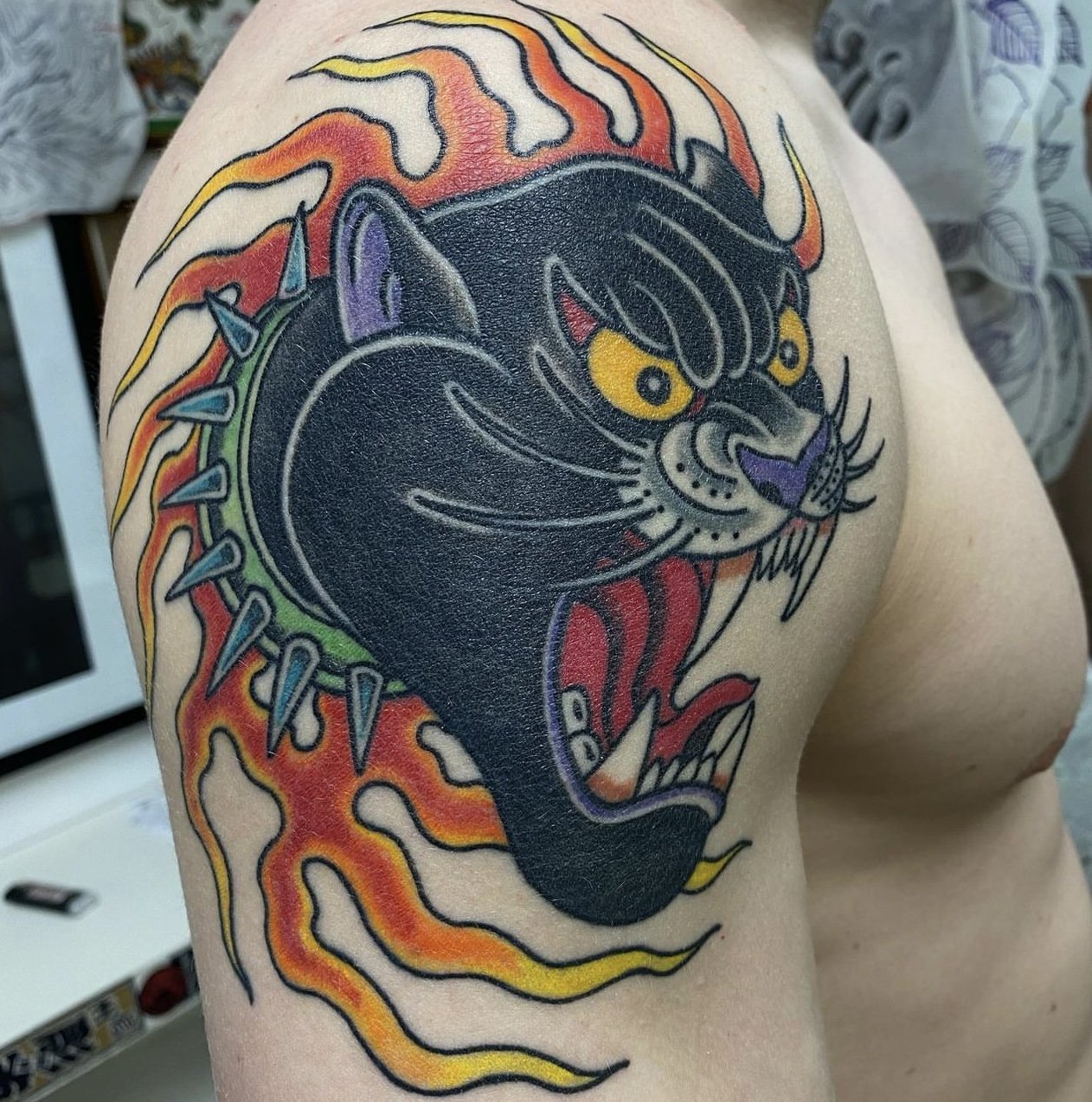
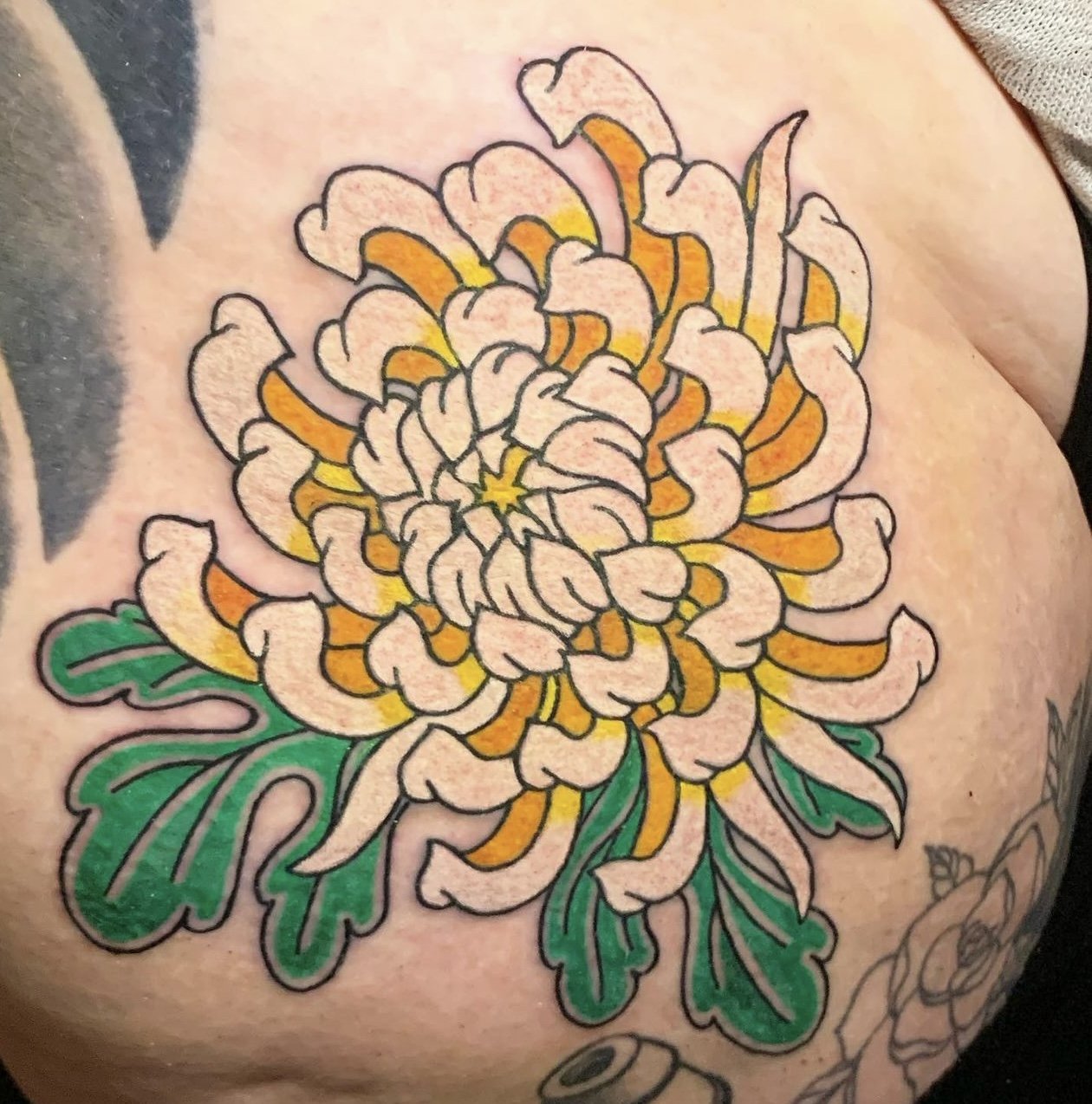
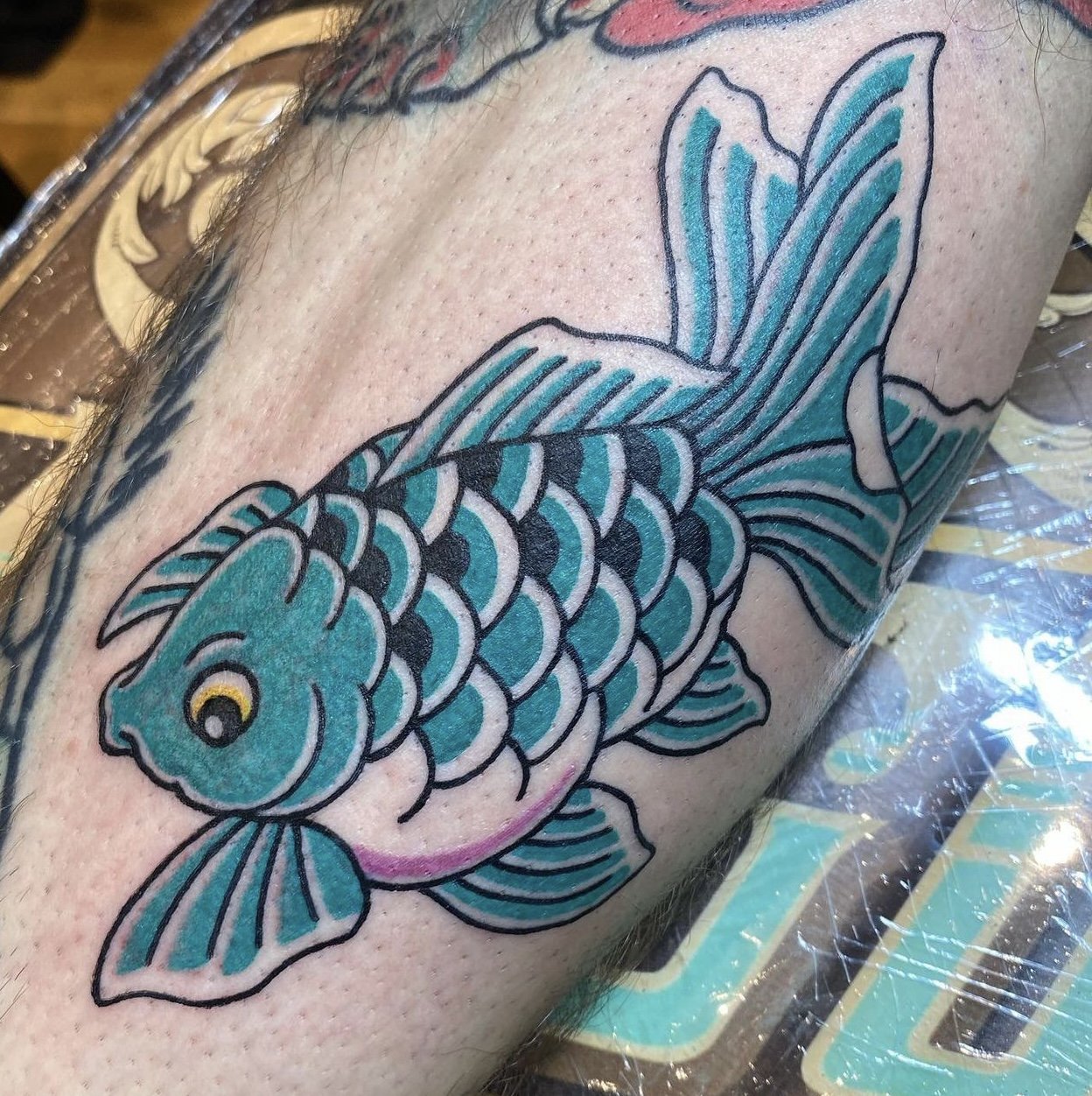
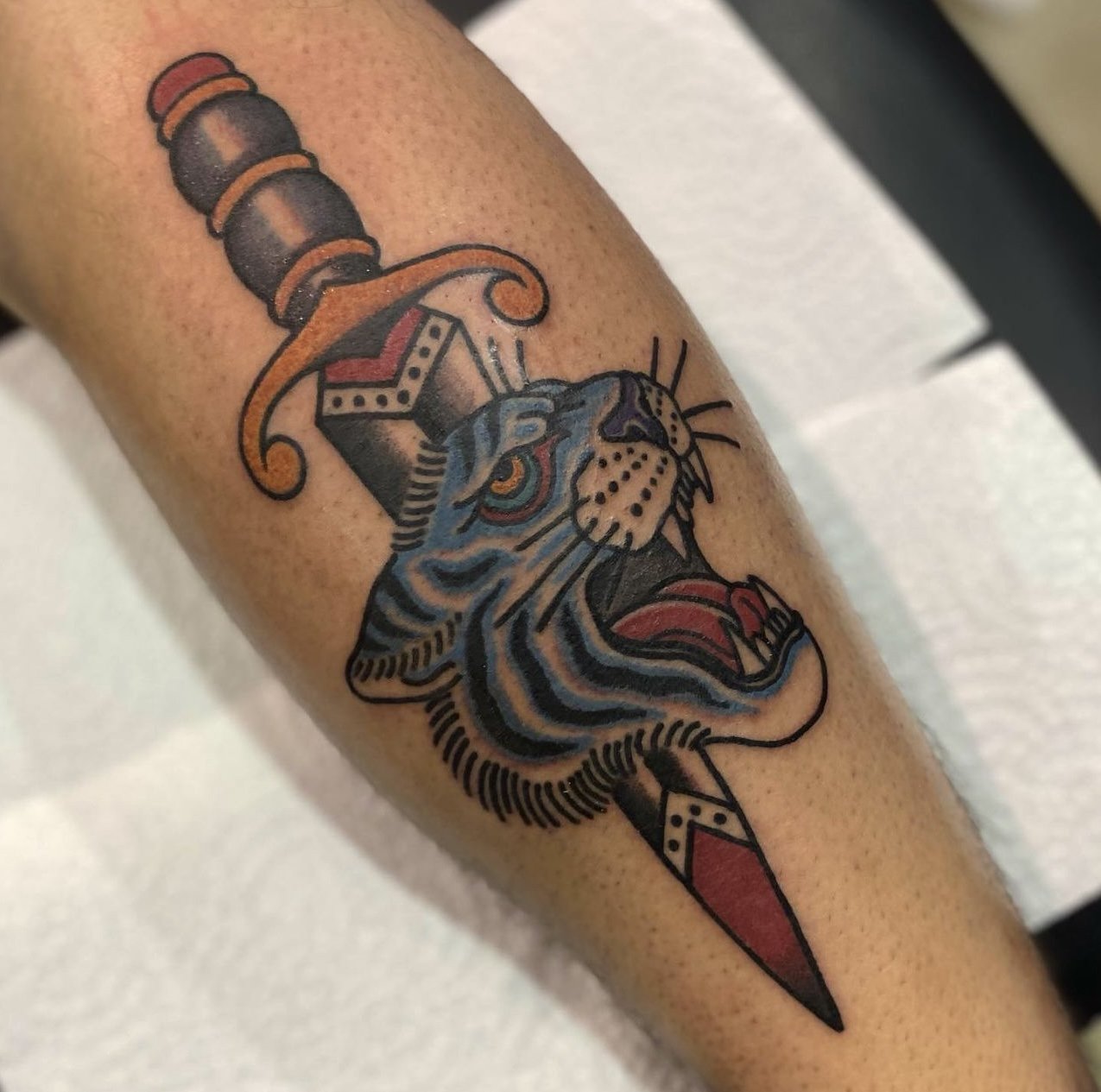
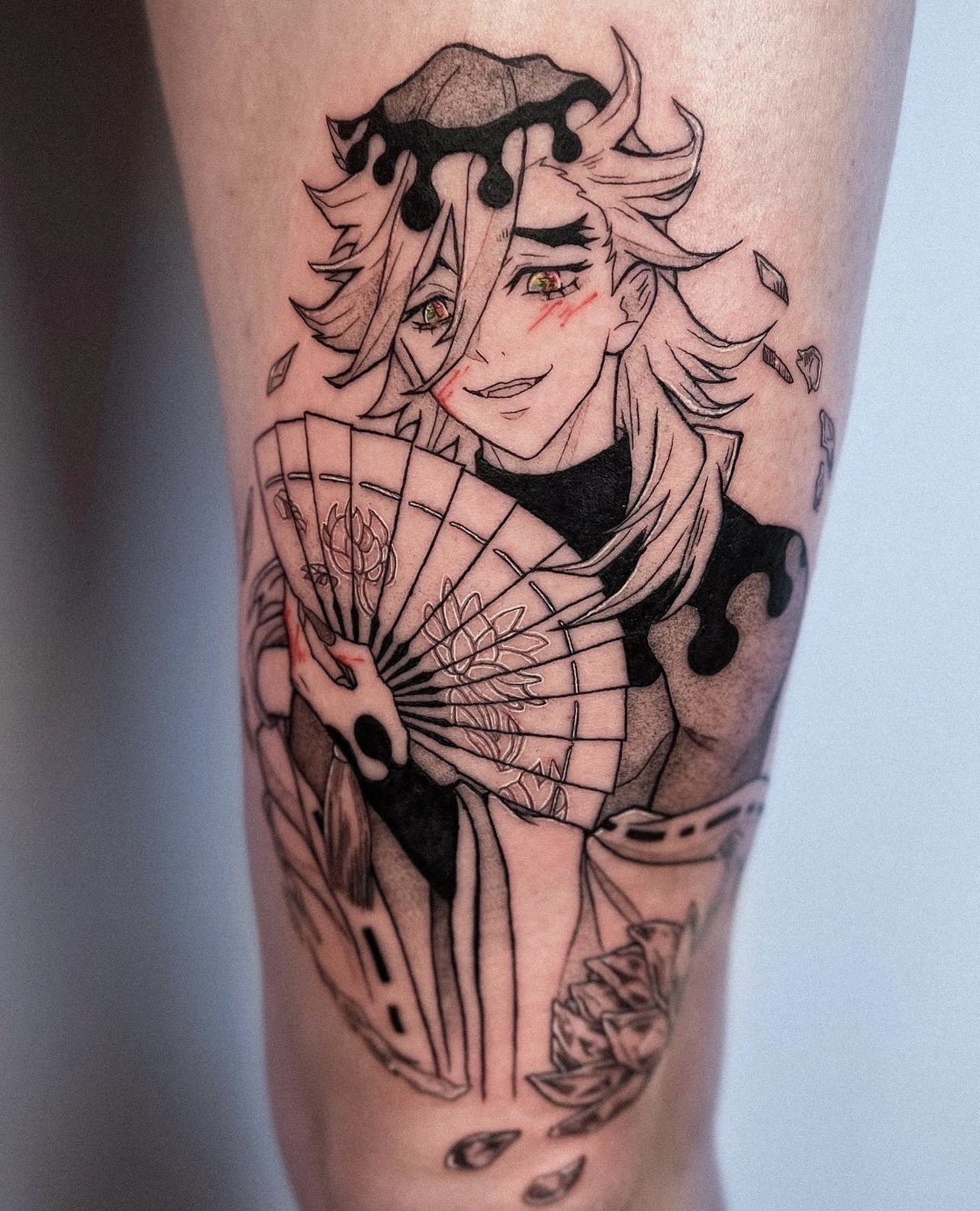
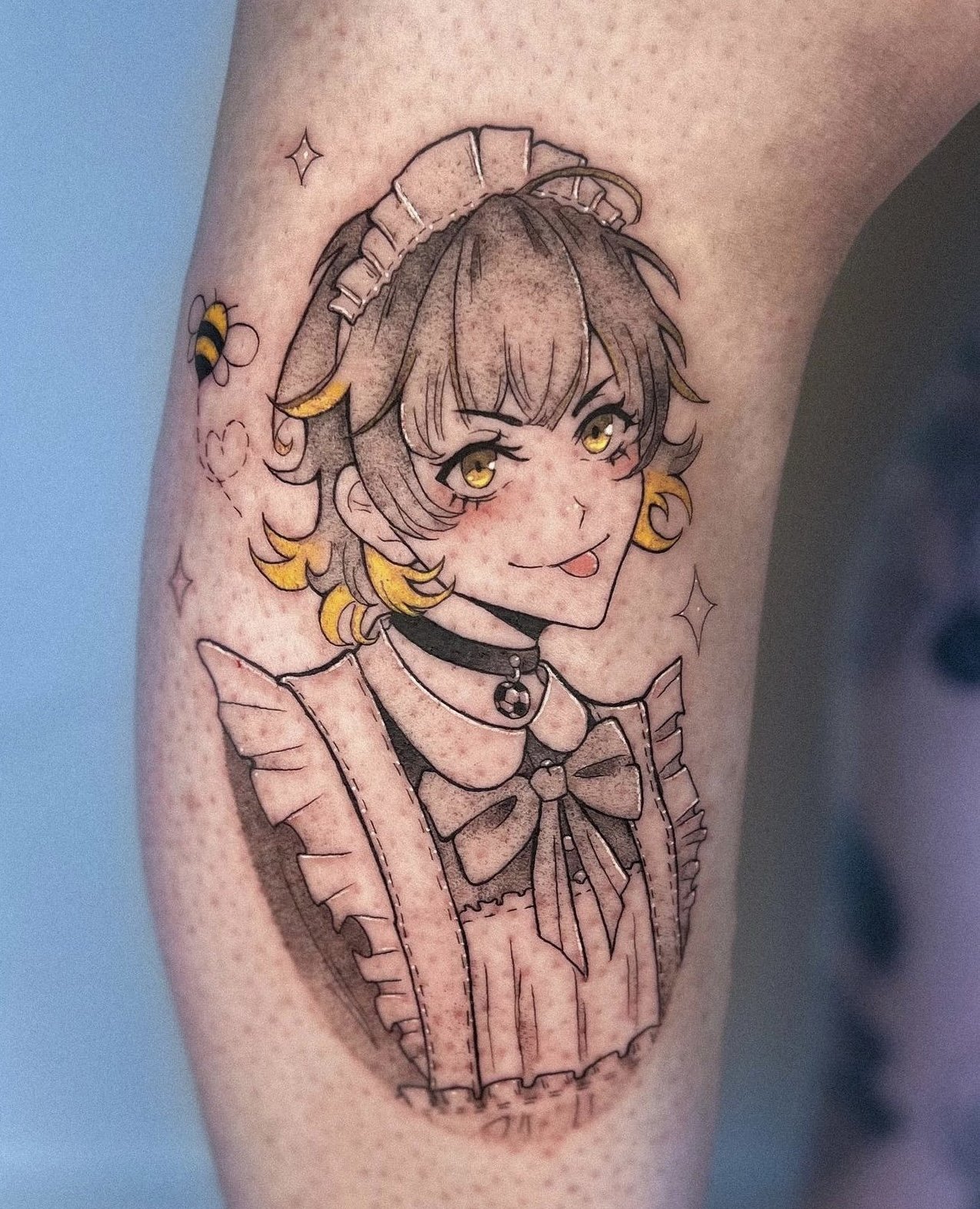
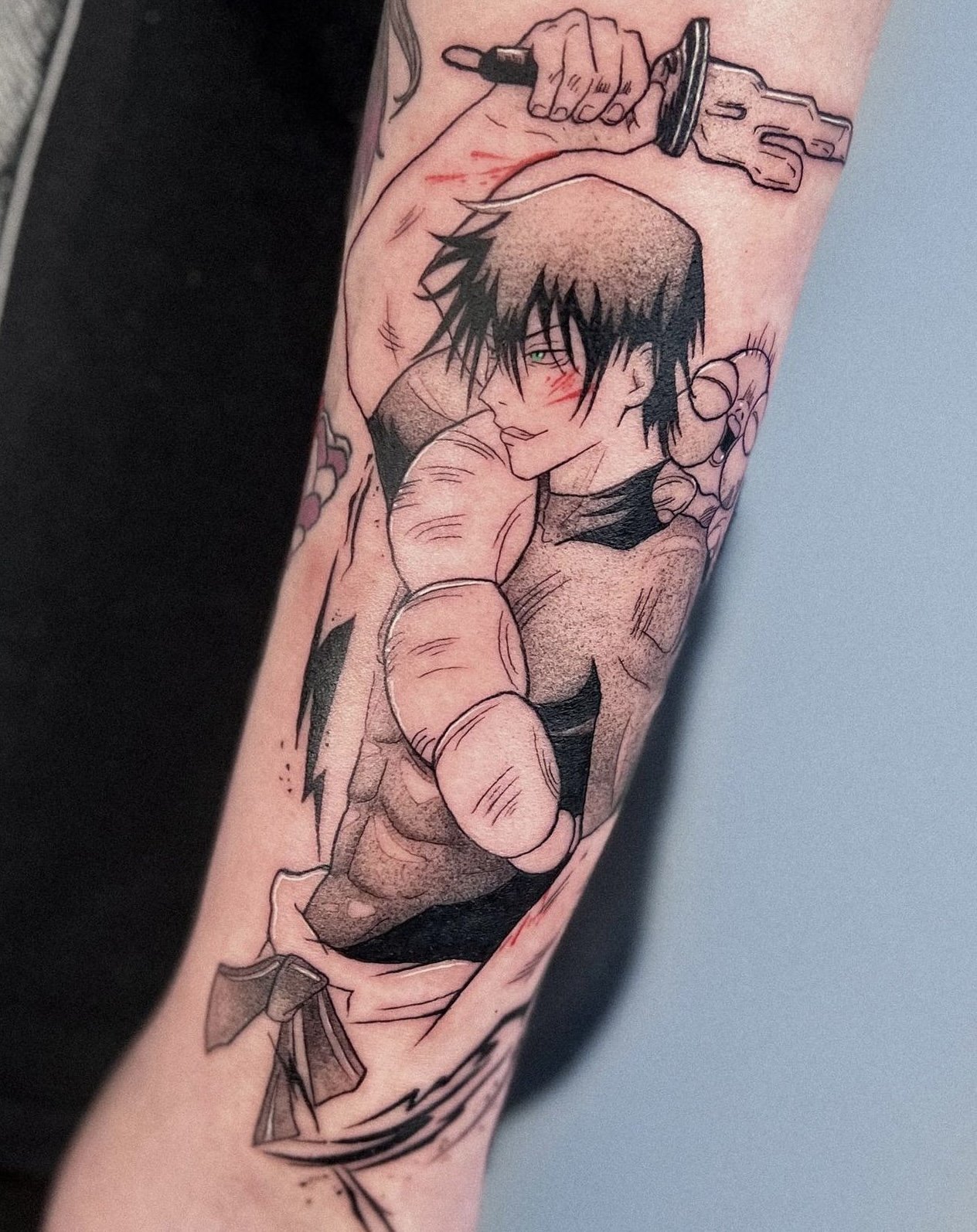
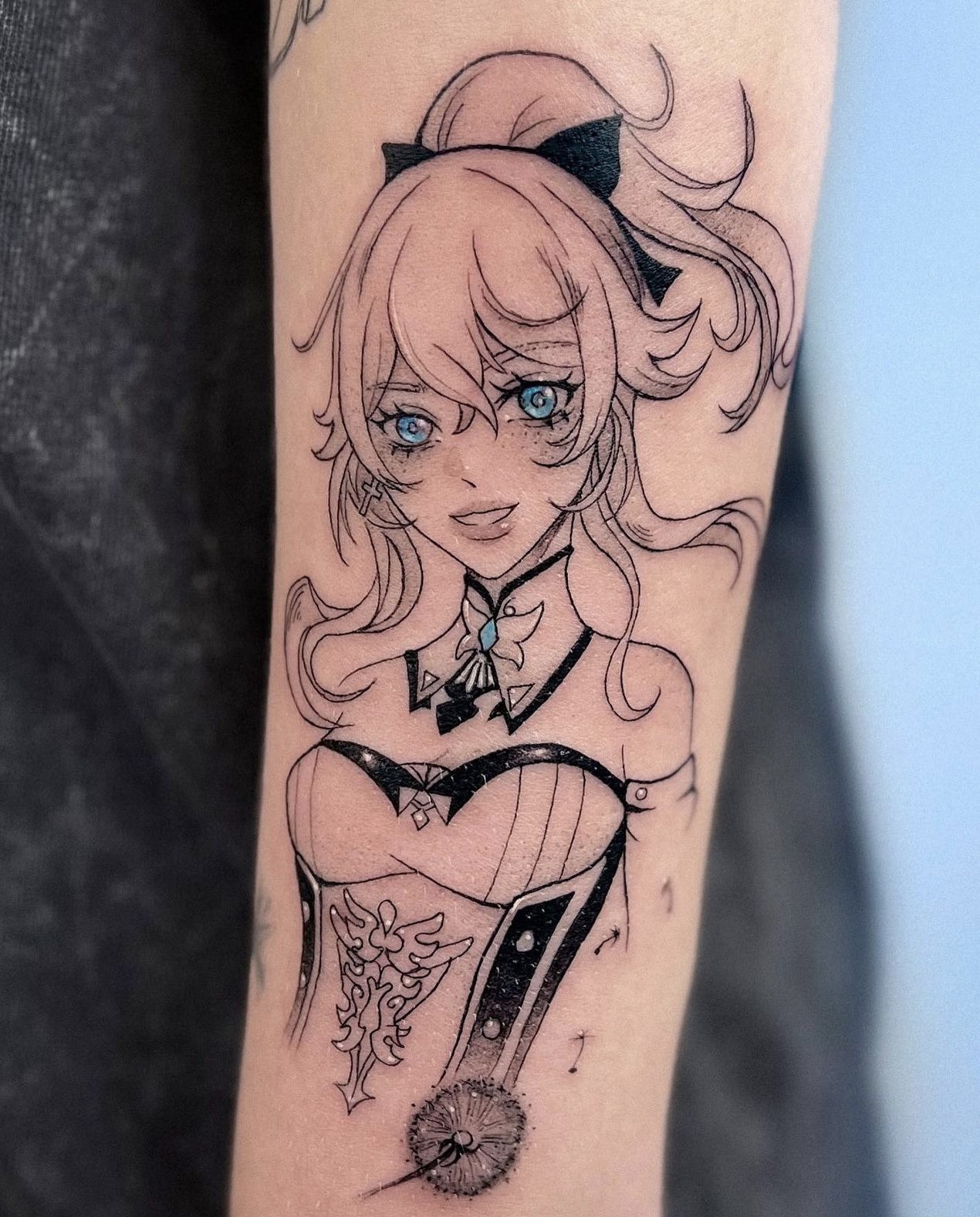
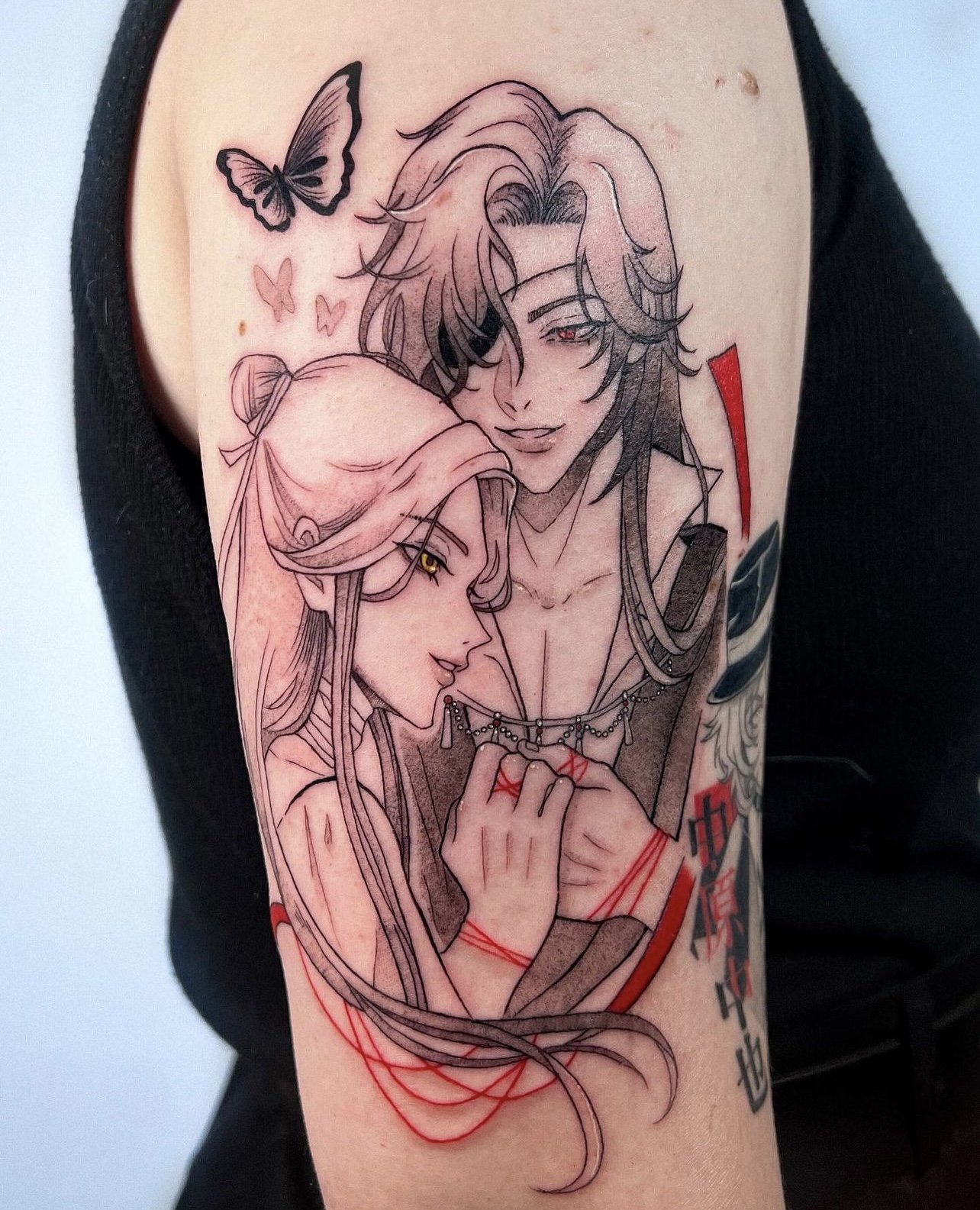
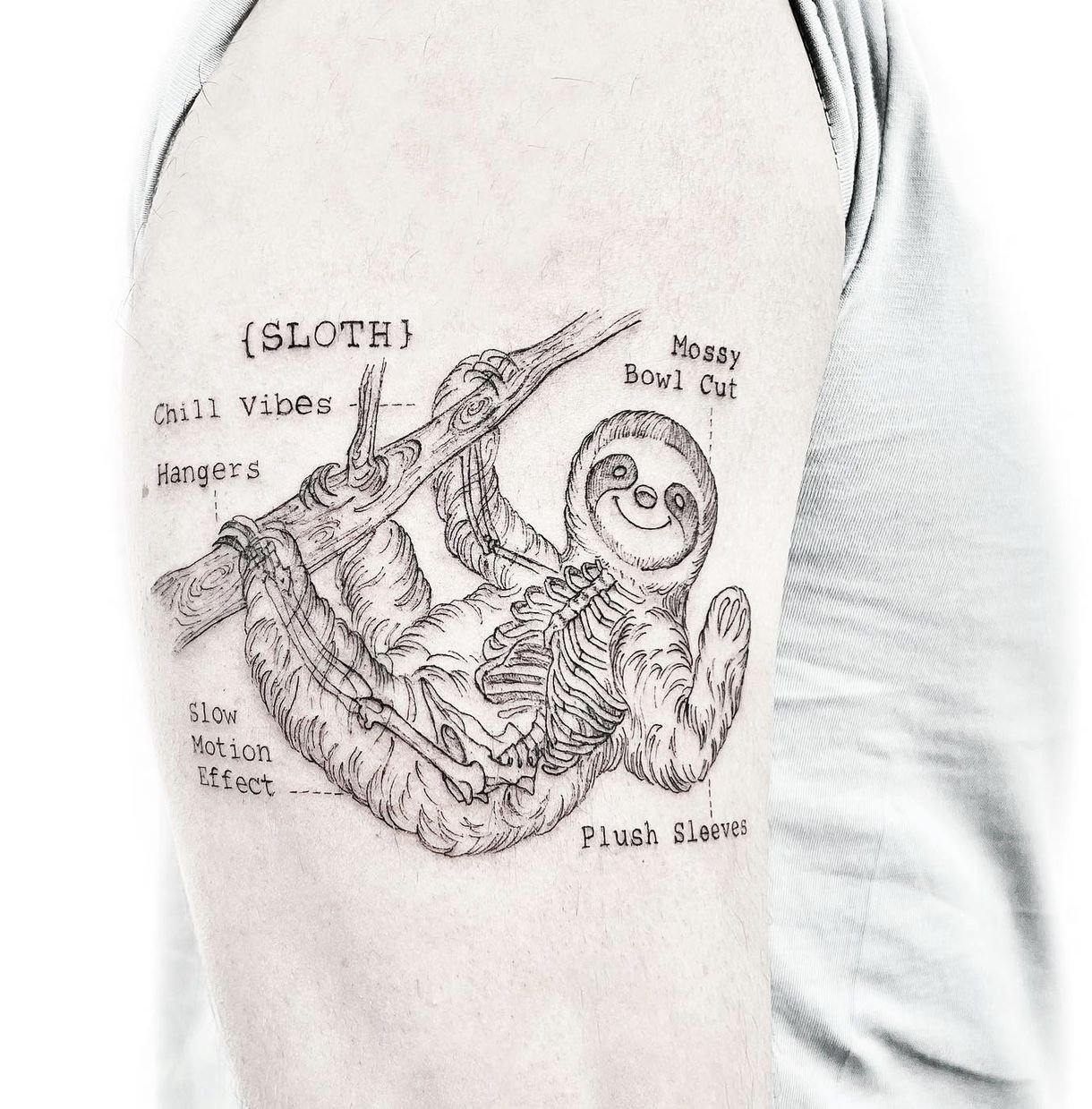
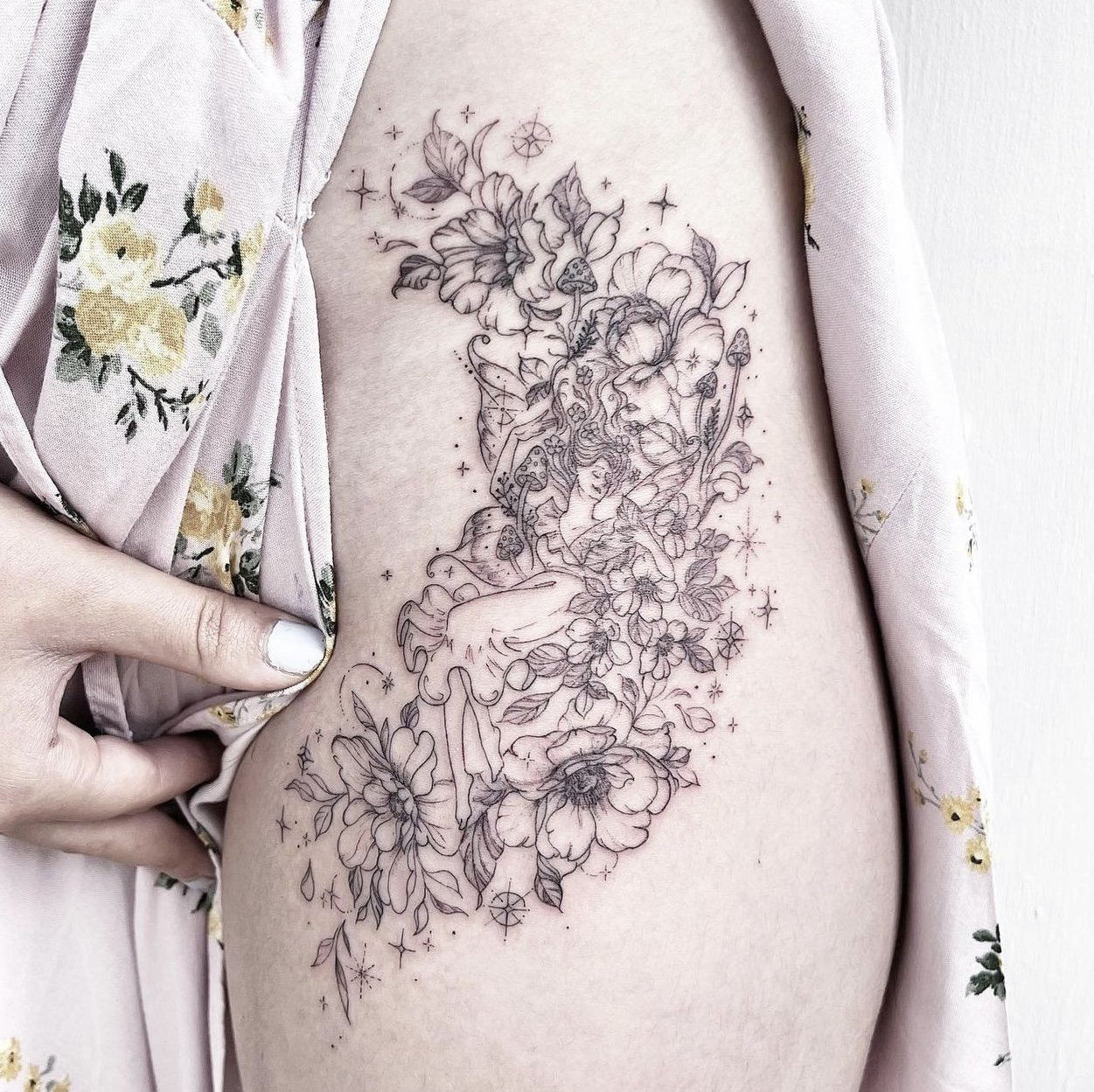
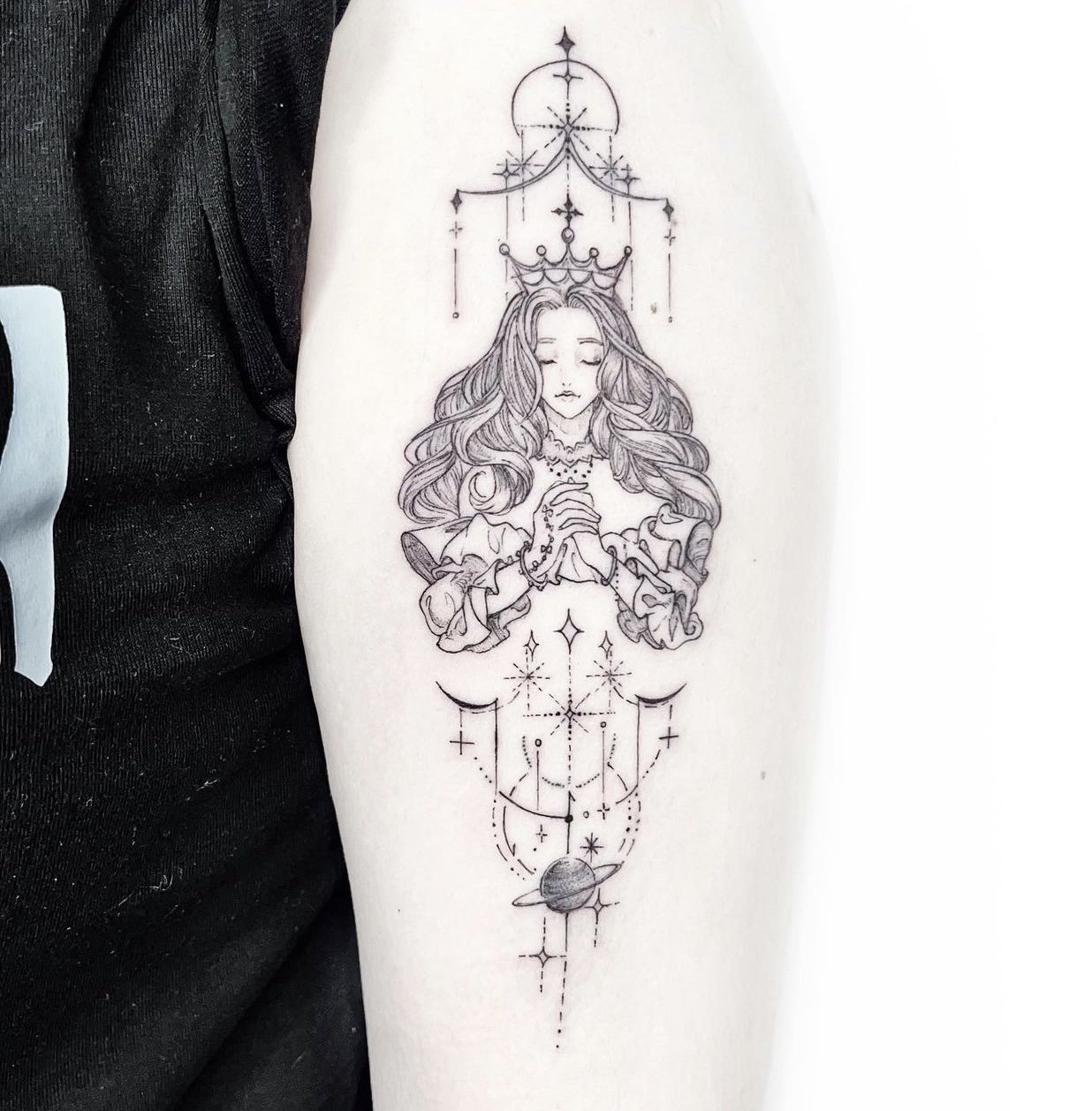
With the range of artists coming we’ve covered a wide variety of tattoo styles, including American traditional, black/grey florals and geometric pattern work, anime and fine line.
Have a look at the artists below that are booked in to guest with us and head to our guest artist page for any updates.
If you’d like to inquire about guesting at our studio, send us an email at info@sunsettattoo.co.nz and we’ll get back to you as soon as possible!
Veronica
@veroalarcon.tattoo
October 2023 - January 2024
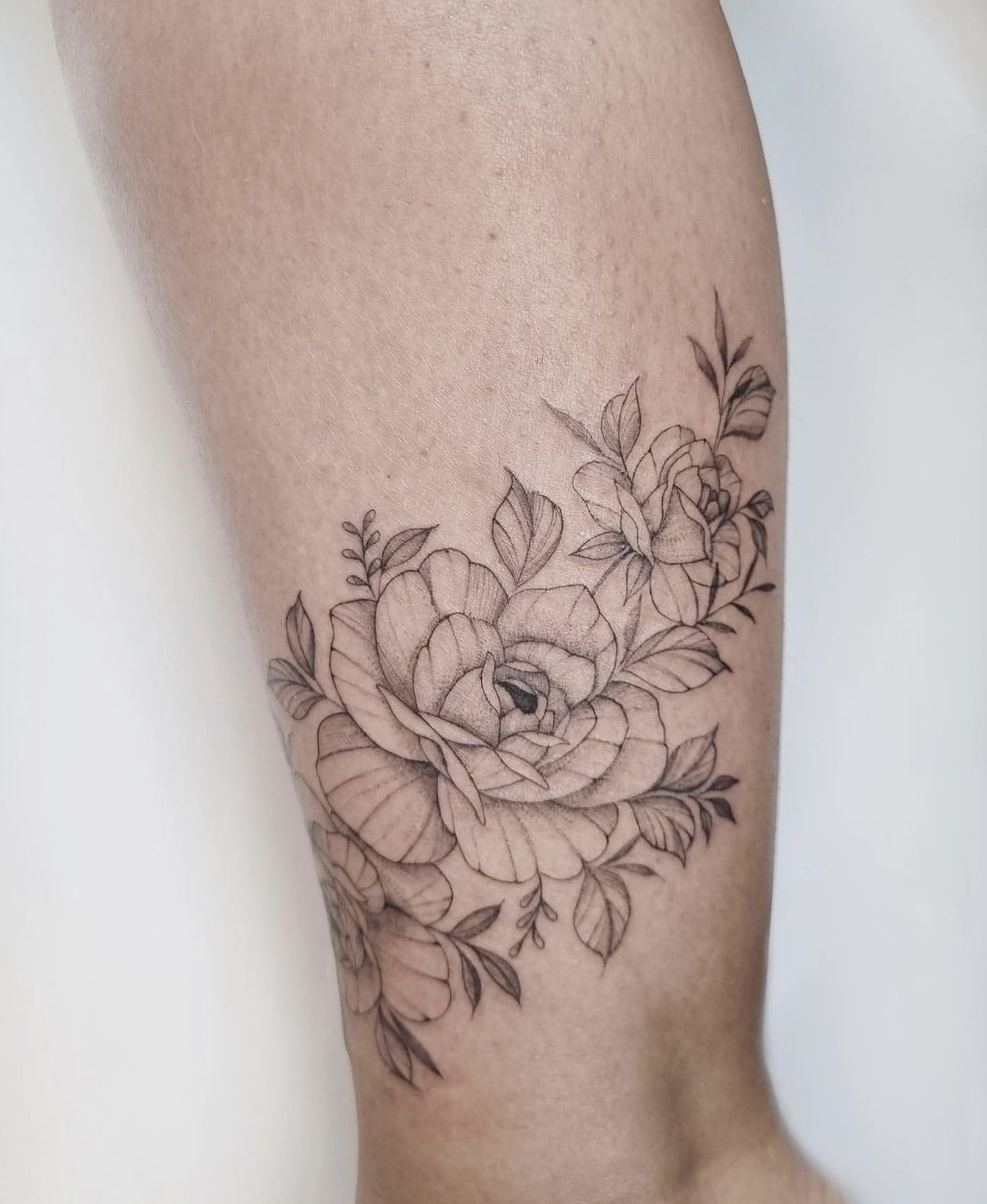
Marina
@marina_farran
22nd - 24th November 2023
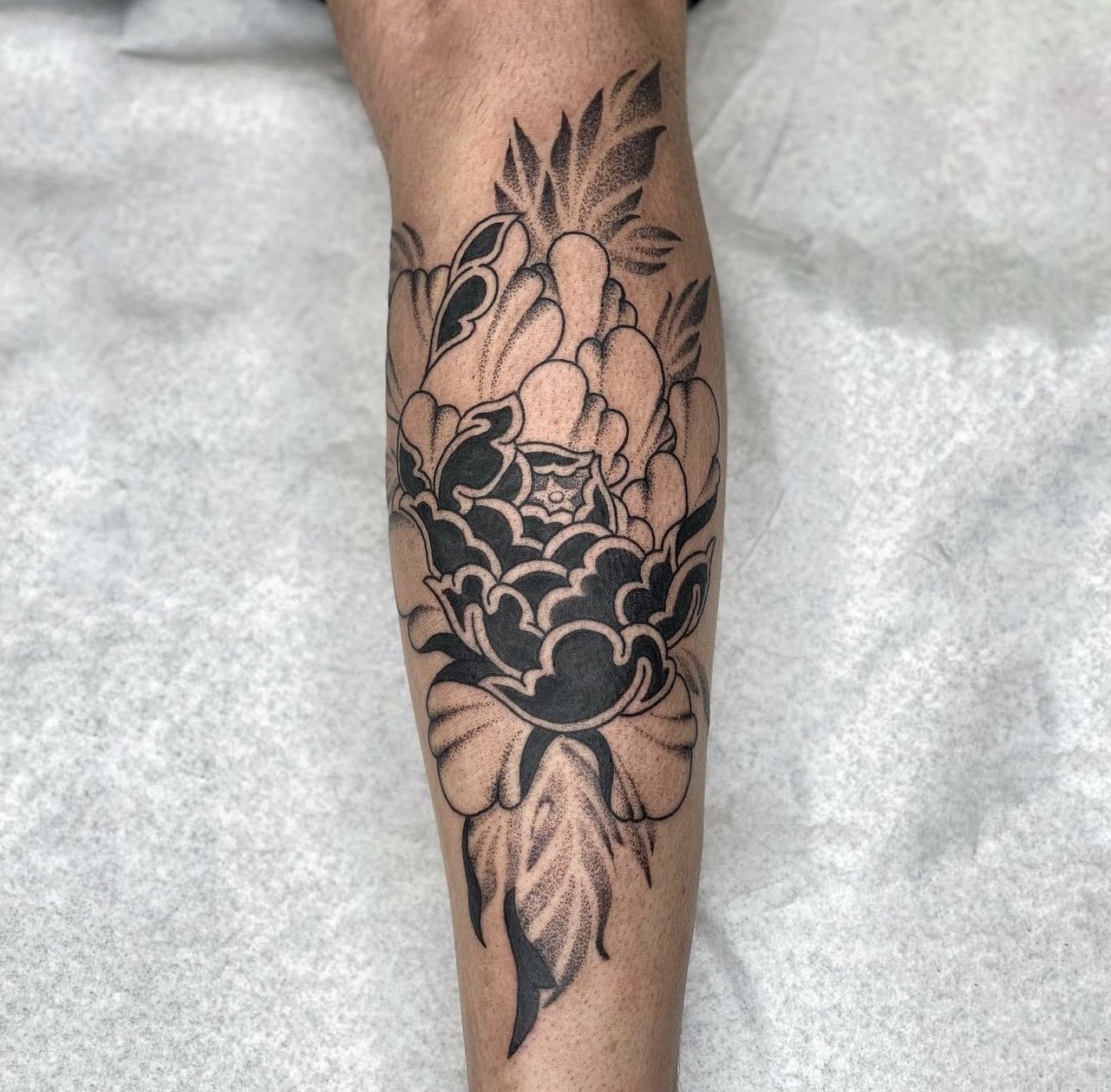
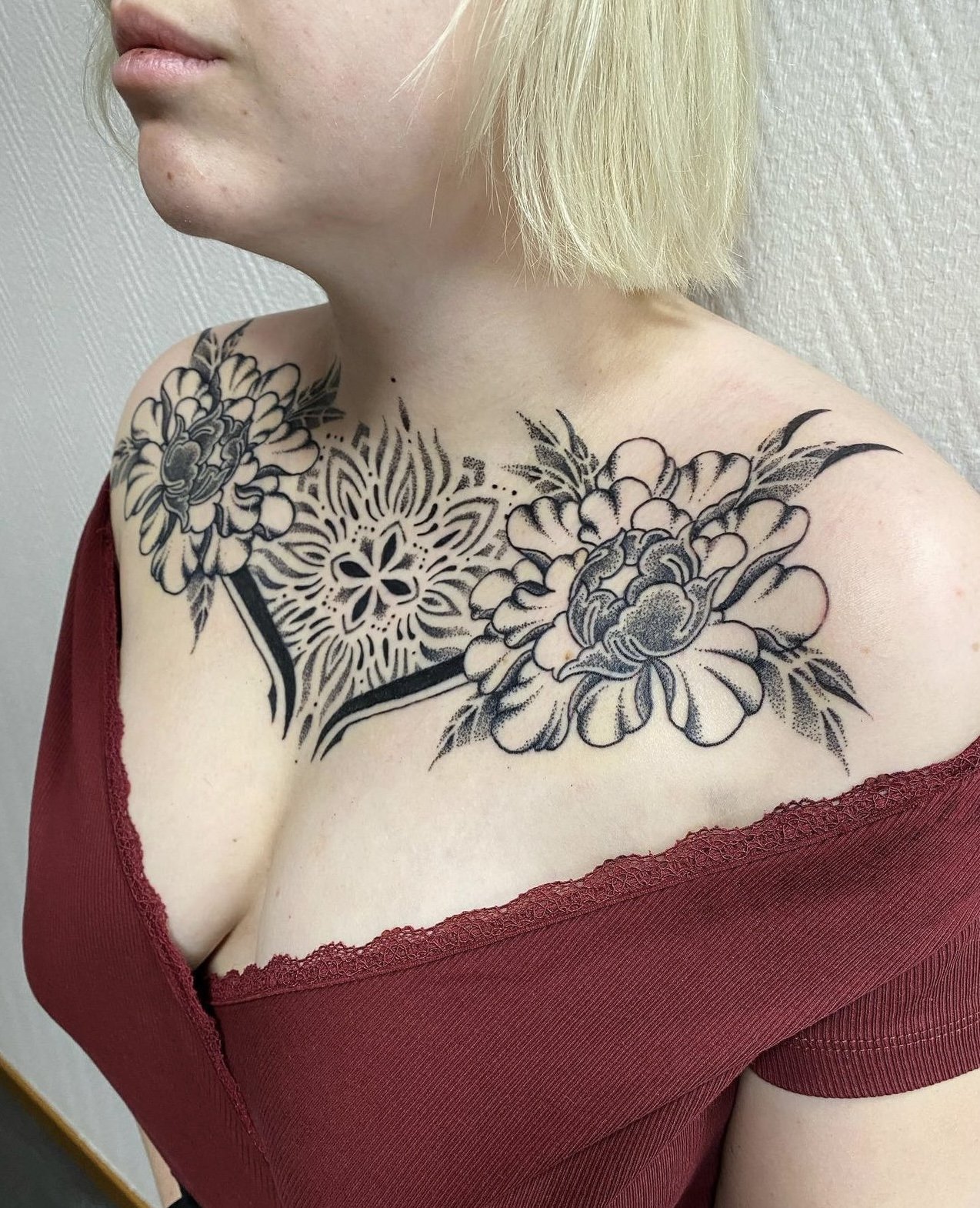
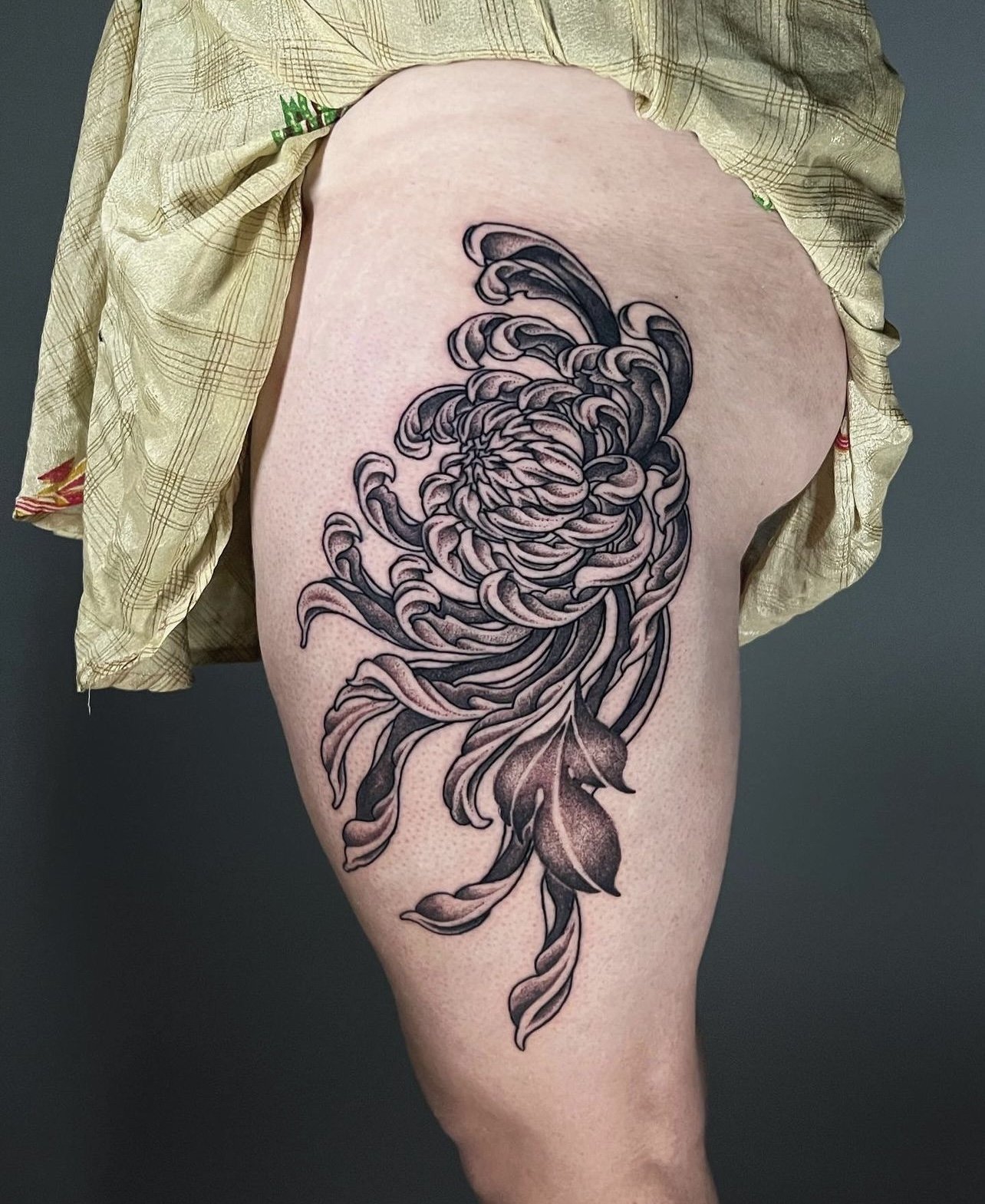
pablo
@thehellatats
22nd - 24th November 2023
yasmin
@100mbheartbeat.ink
28th November - 5th December 2023
gonzo
@bbok2gonzo
15th December 2023 - 7th January 2024
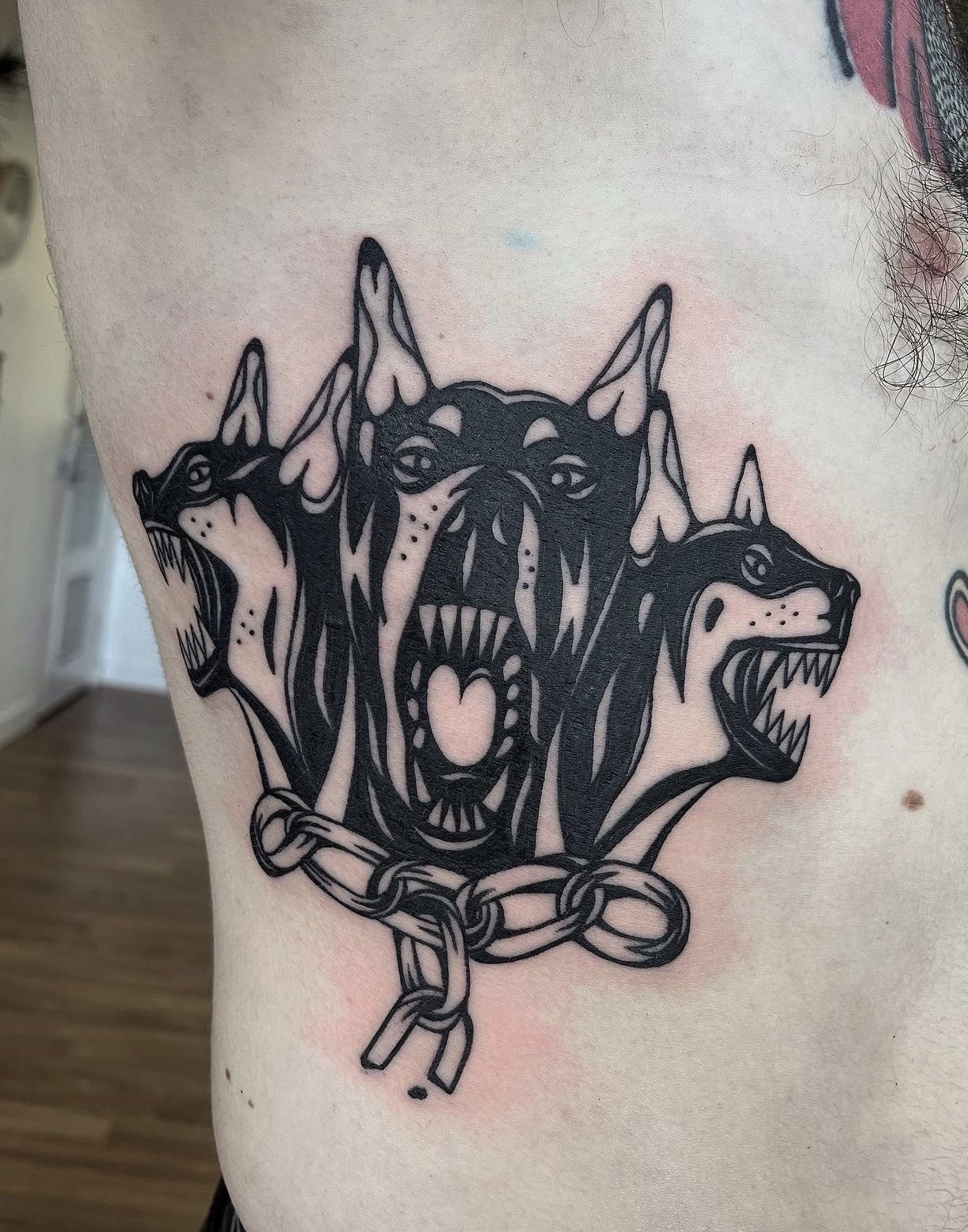
kim
@kimbeomsuttt
15th December 2023 - 7th January 2024
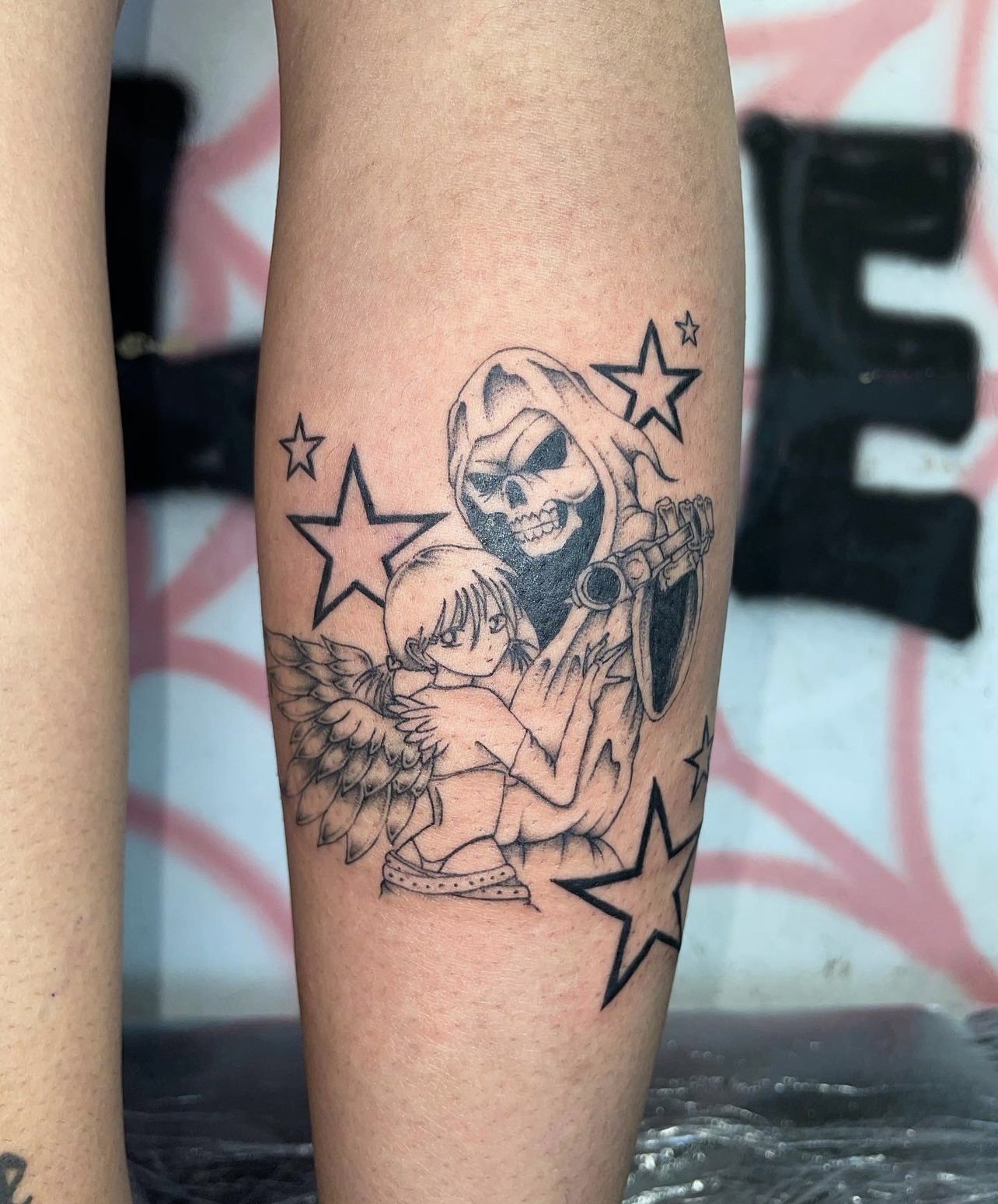
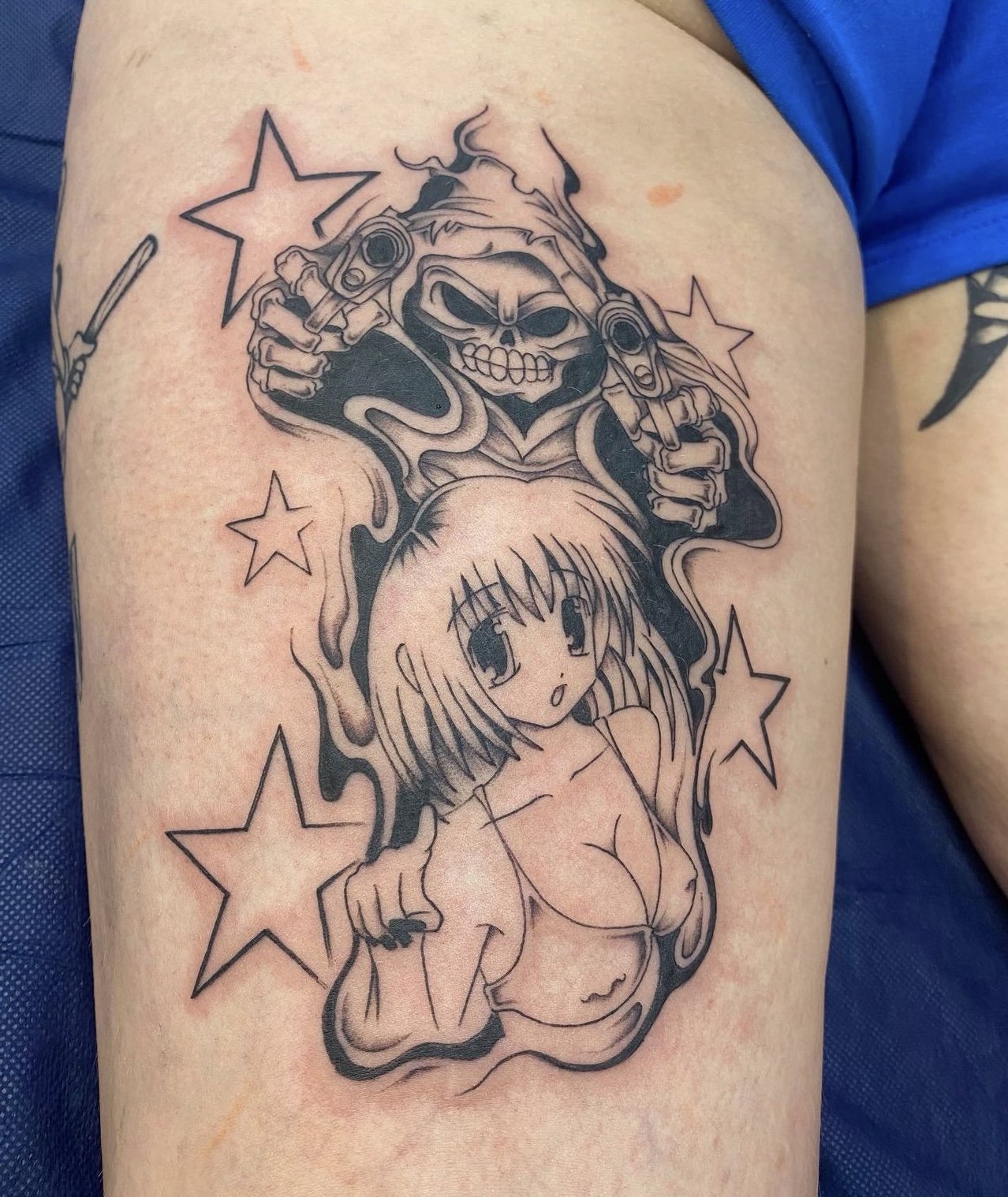
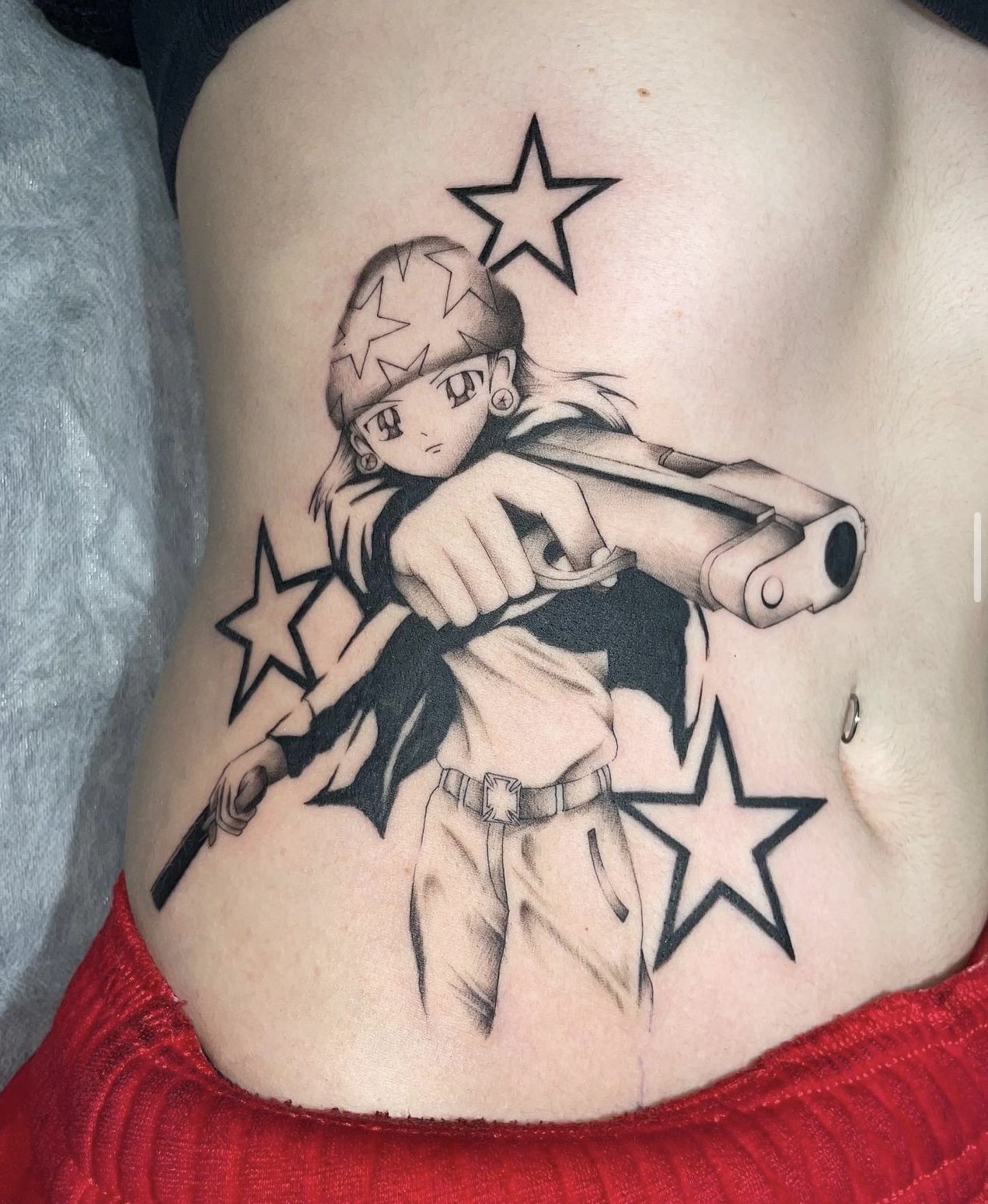
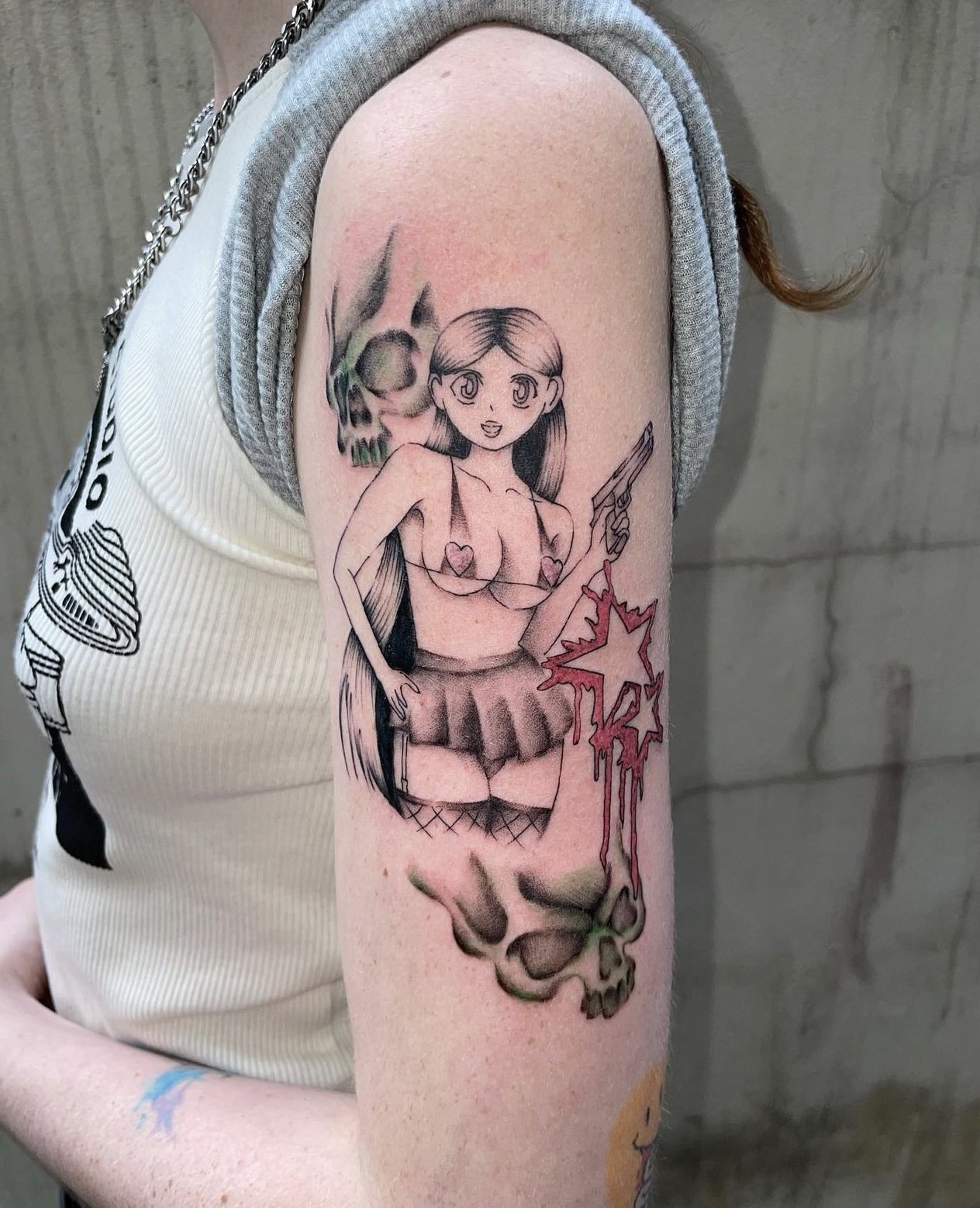
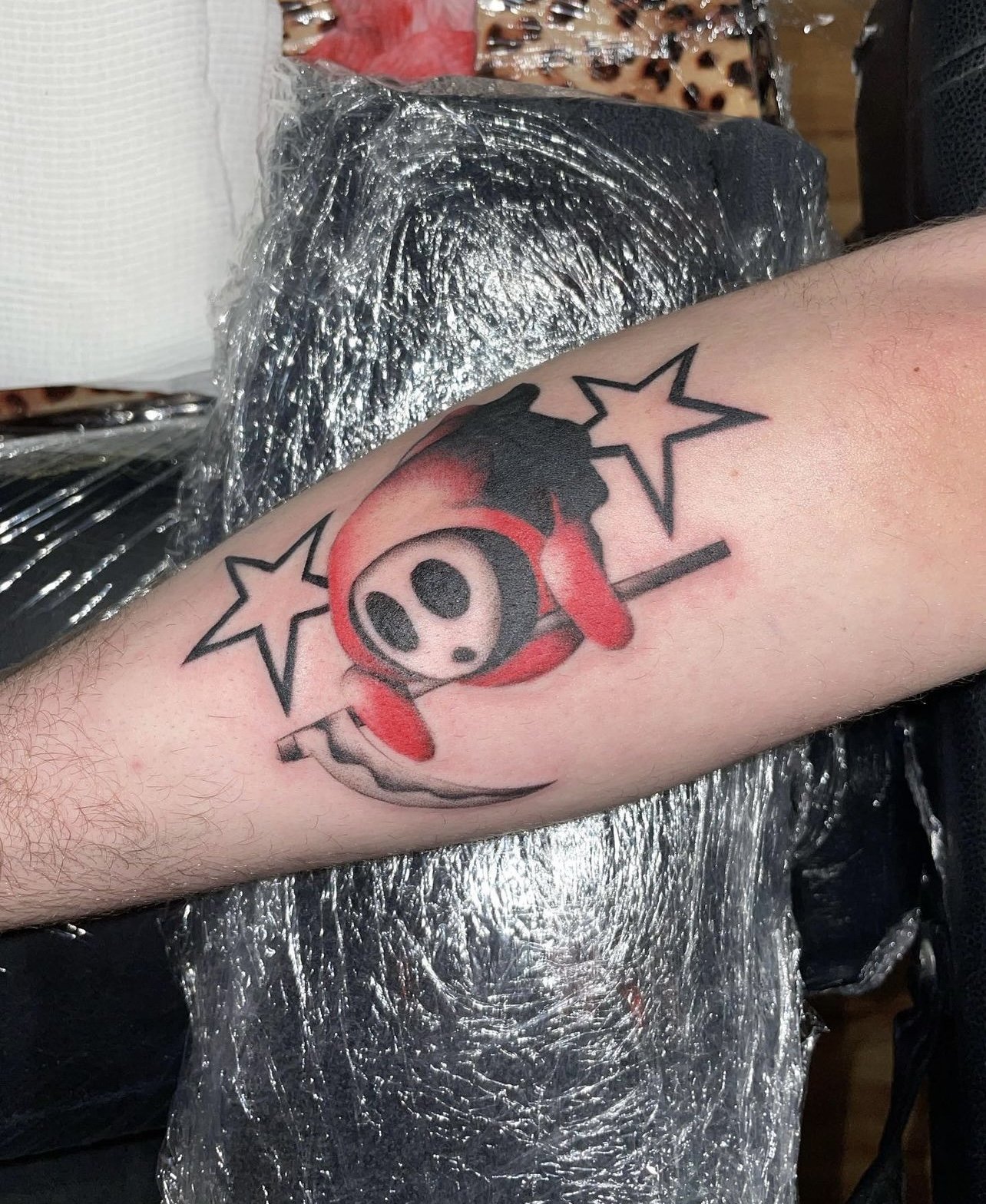
han
@_han.zhen_
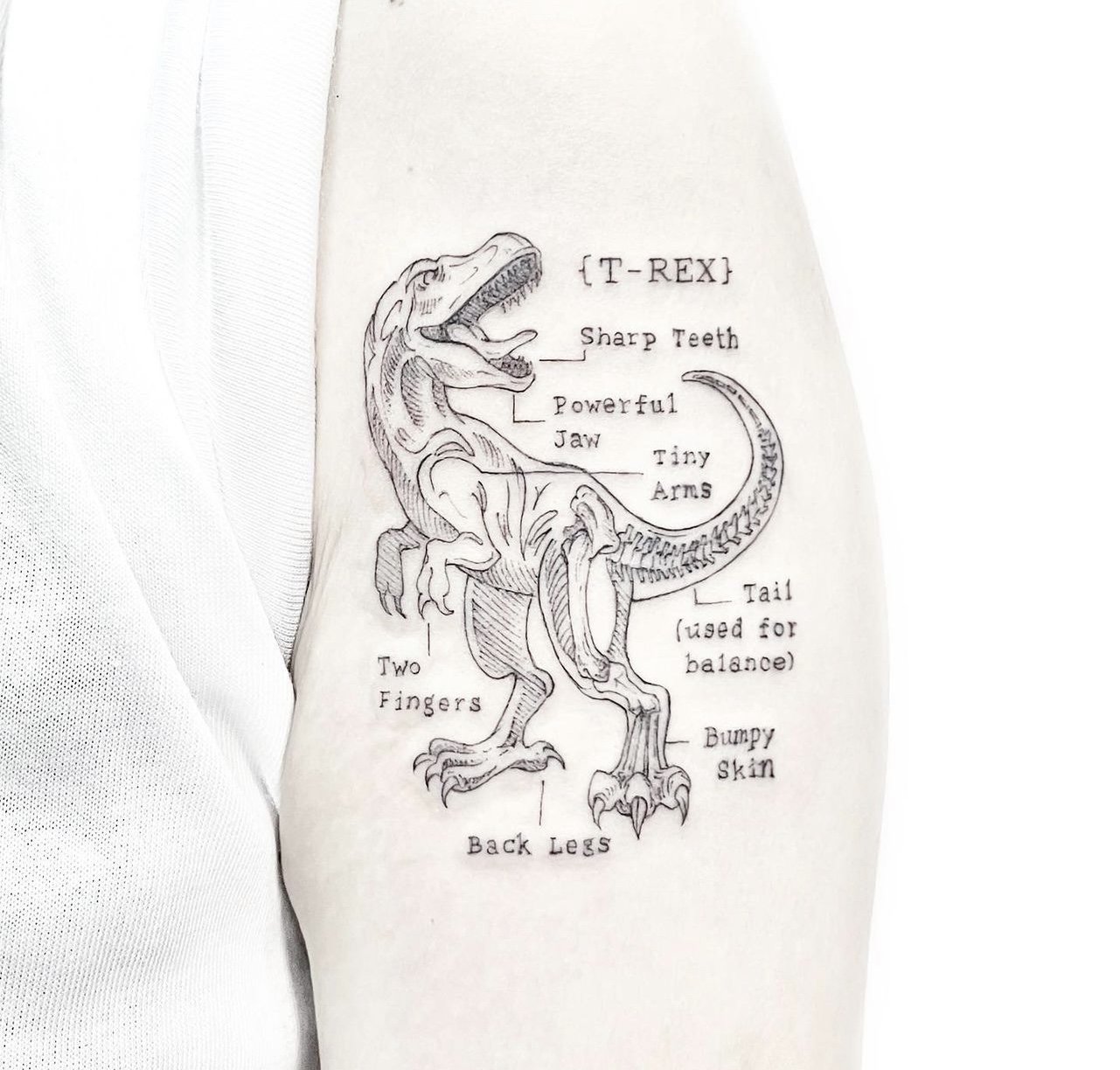
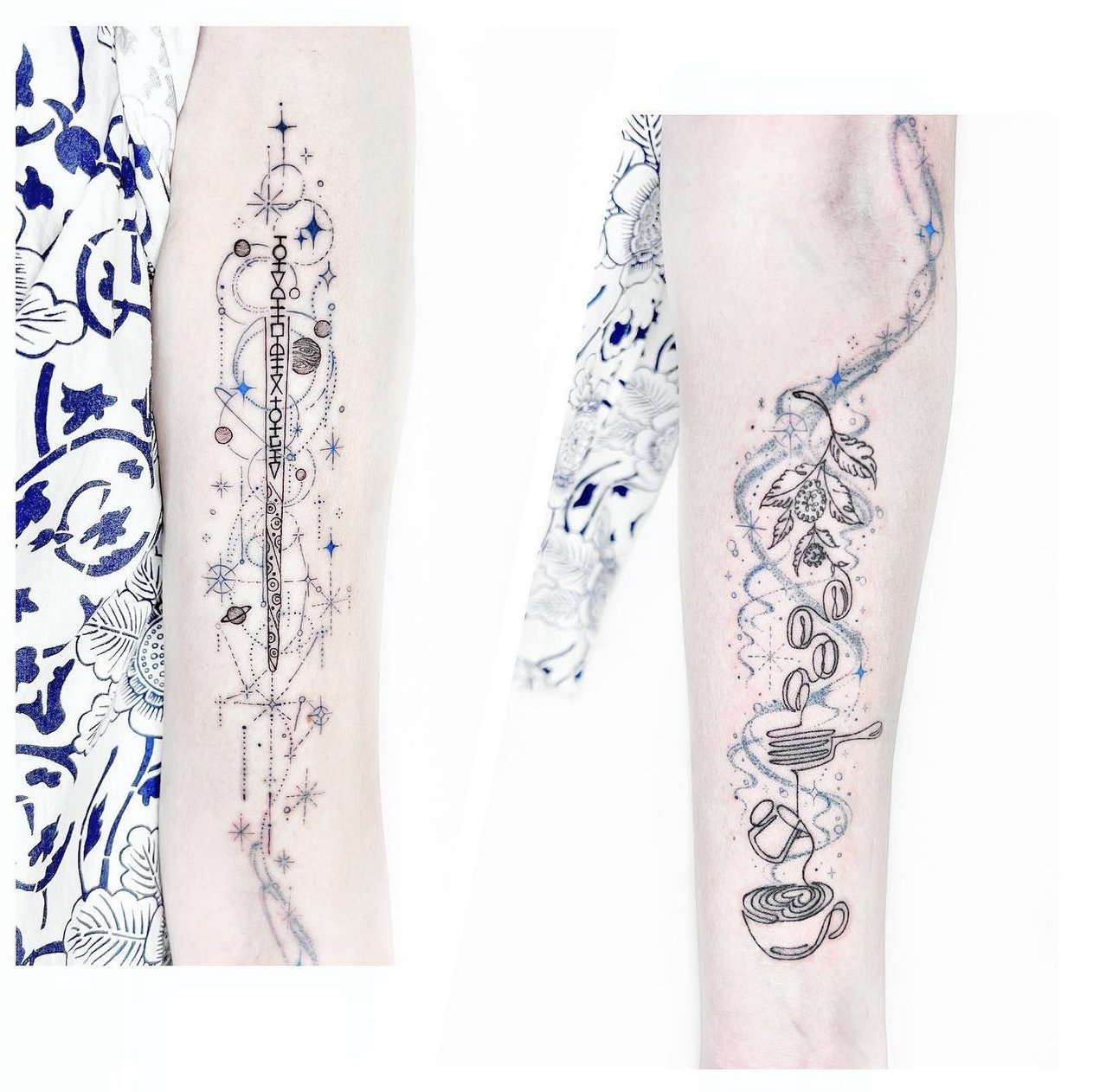
27th - 30th December 2023, 20th - 22nd January 2024
Mythological Creatures in Japanese Tattooing: Kitsune
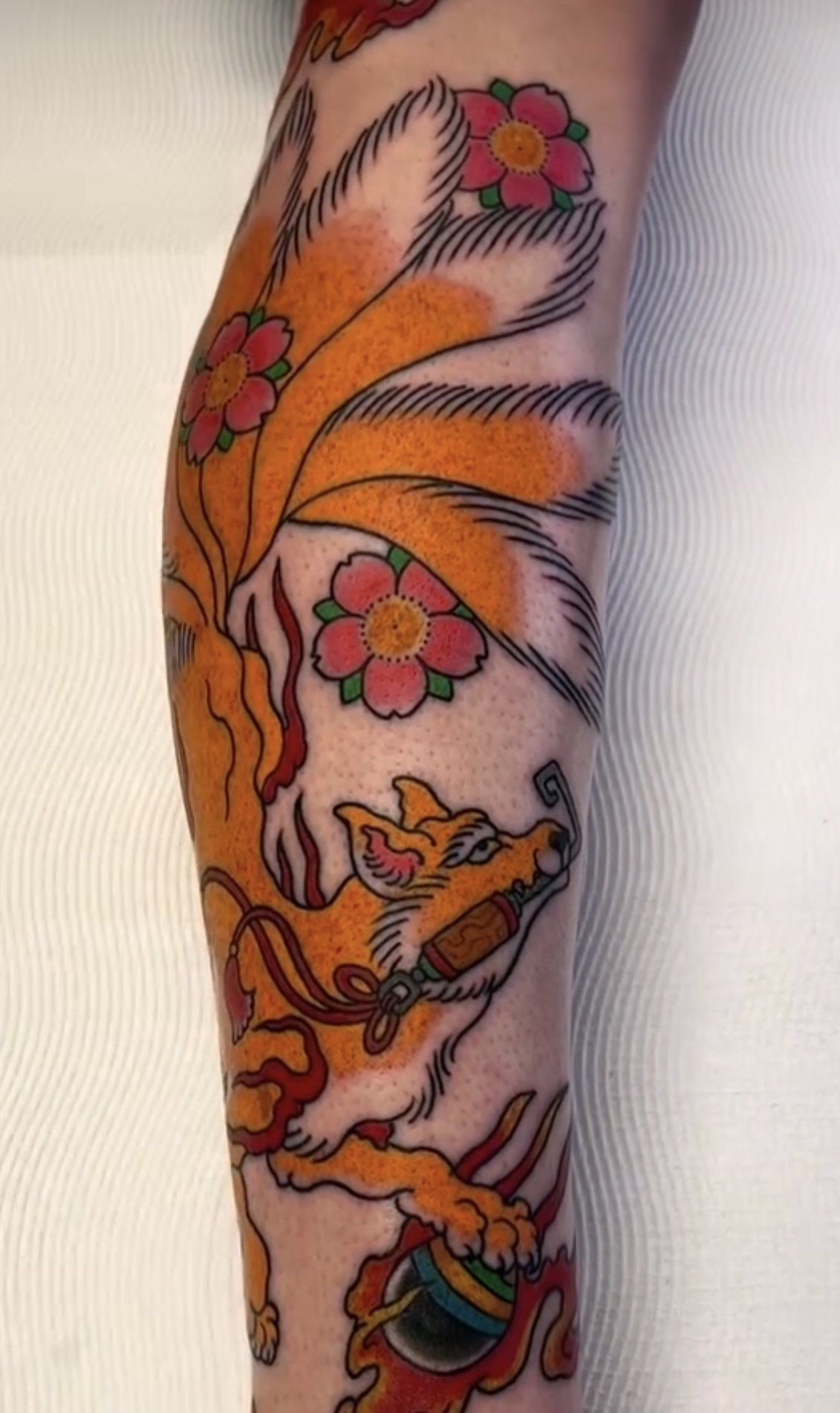
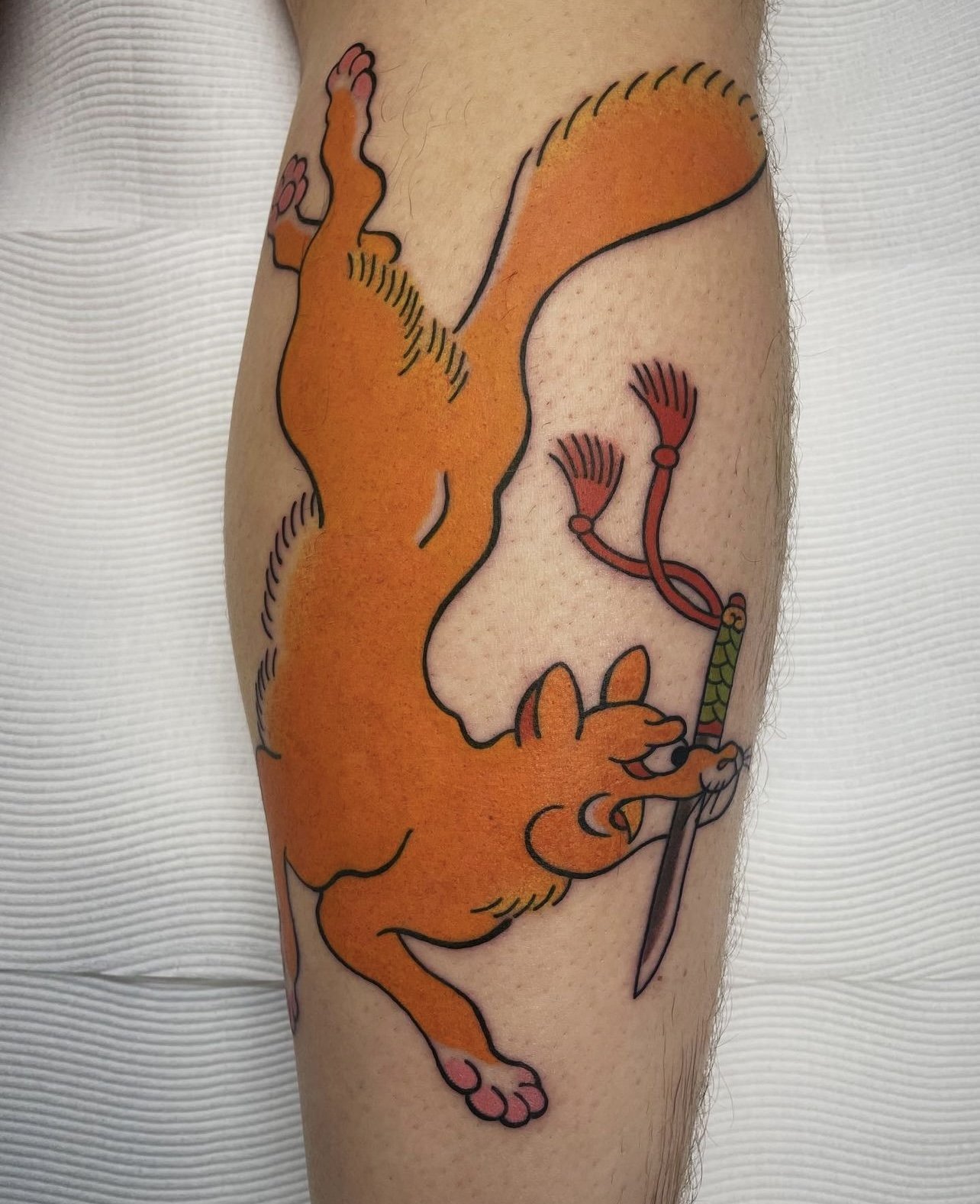
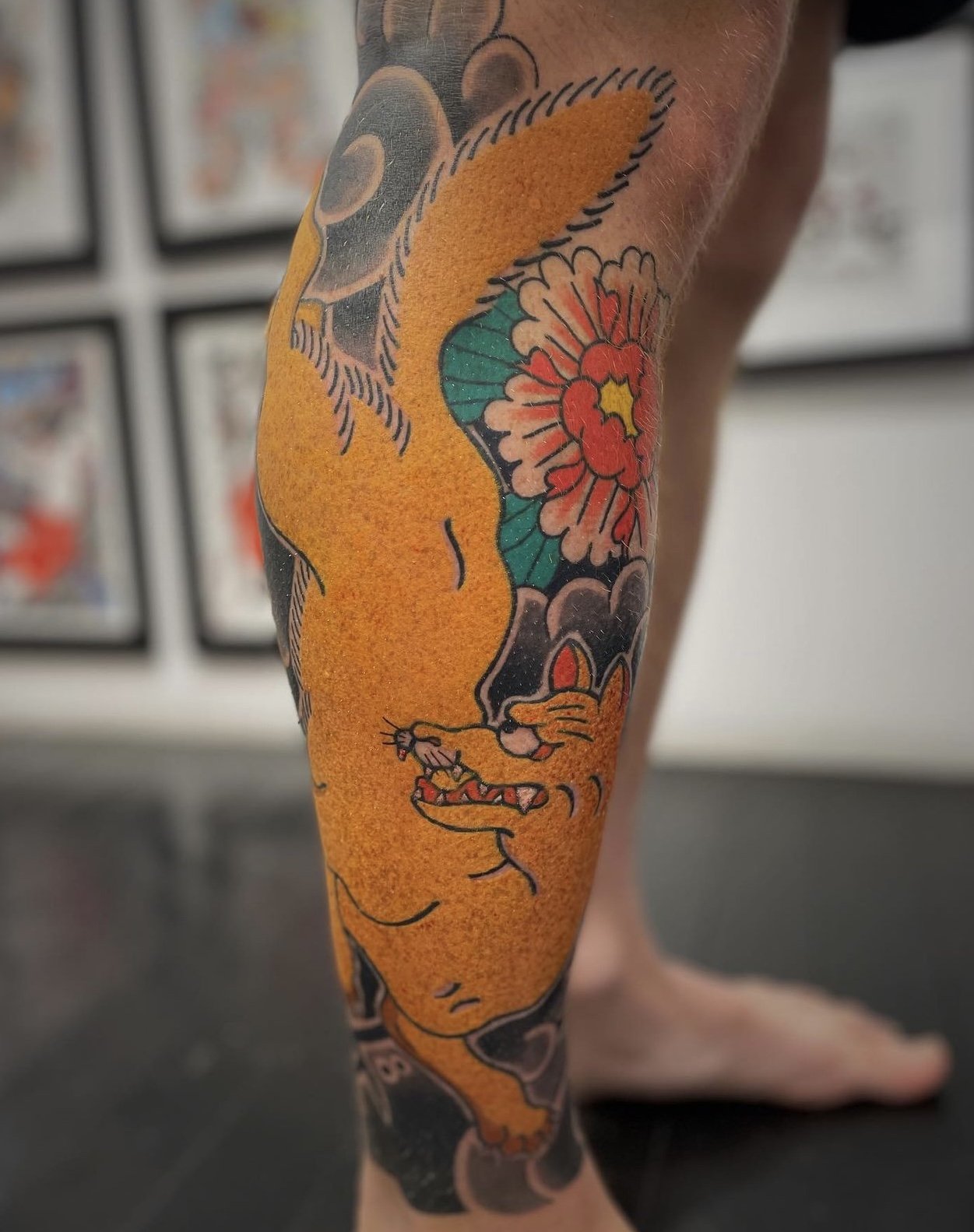
A Kitsune is a legendary Japanese creature, shaped like a fox with magical shape-shifting qualities. It is one of the spiritual entities that belongs to Japanese mythology since the Heian period, but it is also known in other parts of Asia.
In some Japanese legends, Kitsune foxes develop human skills, learn to speak and can take on the human form of a woman or man. It is said that a Kitsune grows a new tail every 100 years, most commonly depicted with one, five, seven or nine tails. It is said that once a Kitsune develops nine tails it ascends to the heavens and transcends into the form of a celestial fox.
Kistune are symbols of intelligence and long life. They are notorious tricksters who are very sociable and derive pleasure from mimicking humans. They often take the form of a beautiful woman to lure in unsuspecting men, with the goal of finding a rich man to marry so they will be able to stay in their human form forever.