
Gordy Evelyn
Japanese and American Traditional
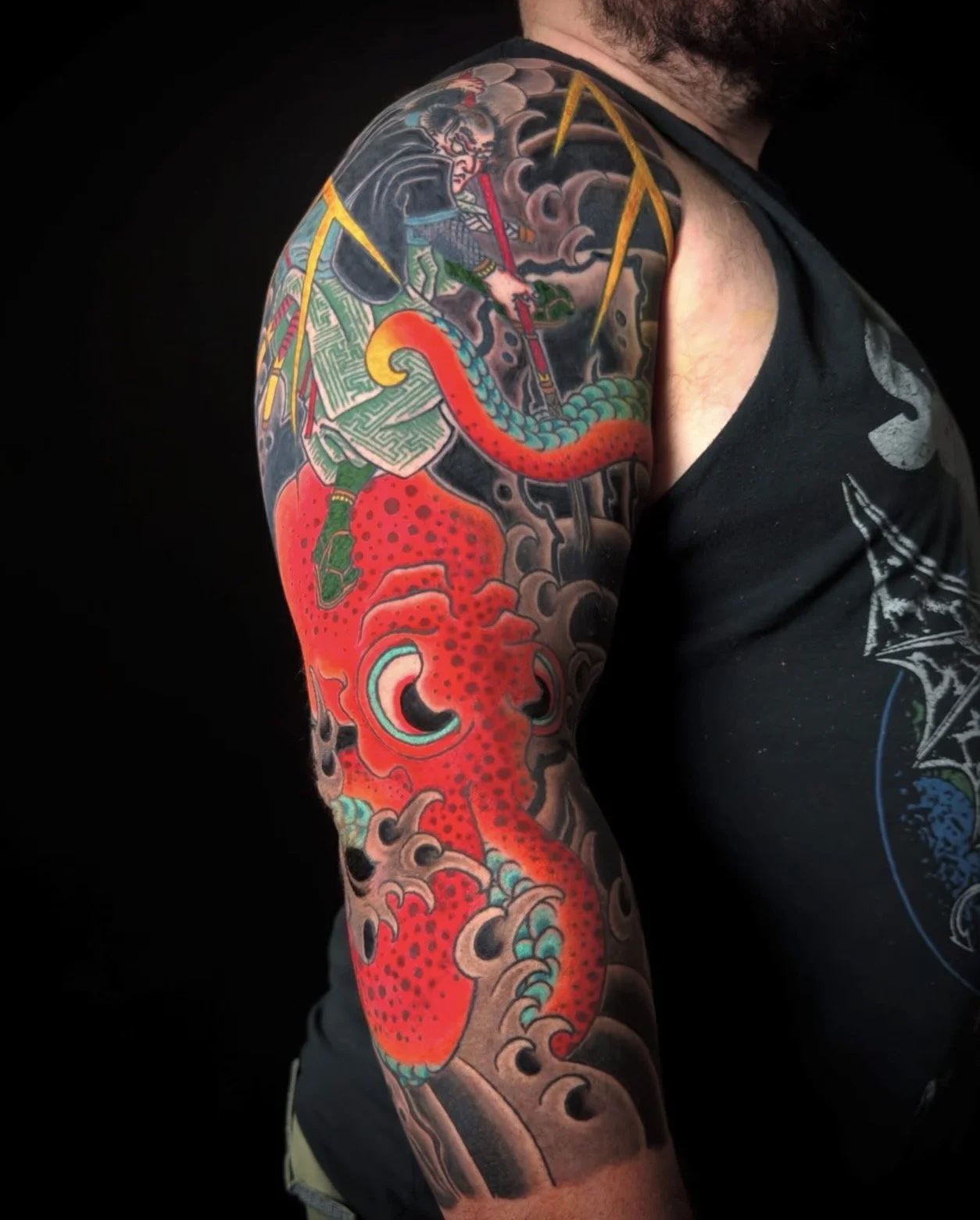
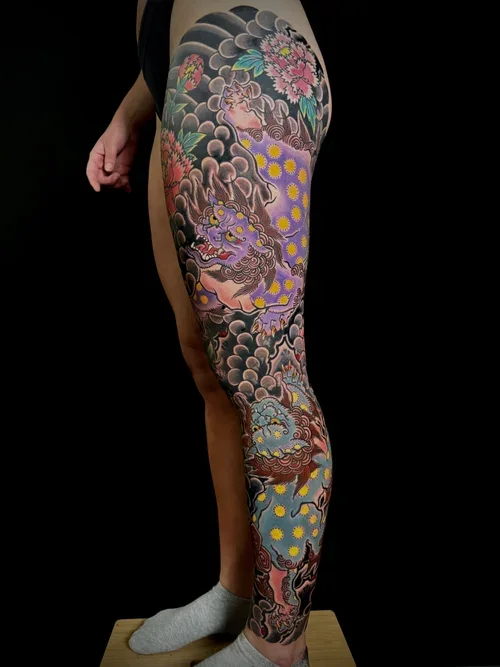
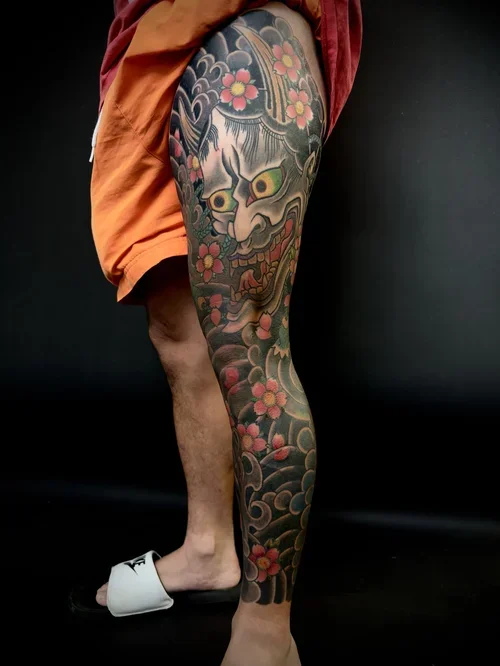
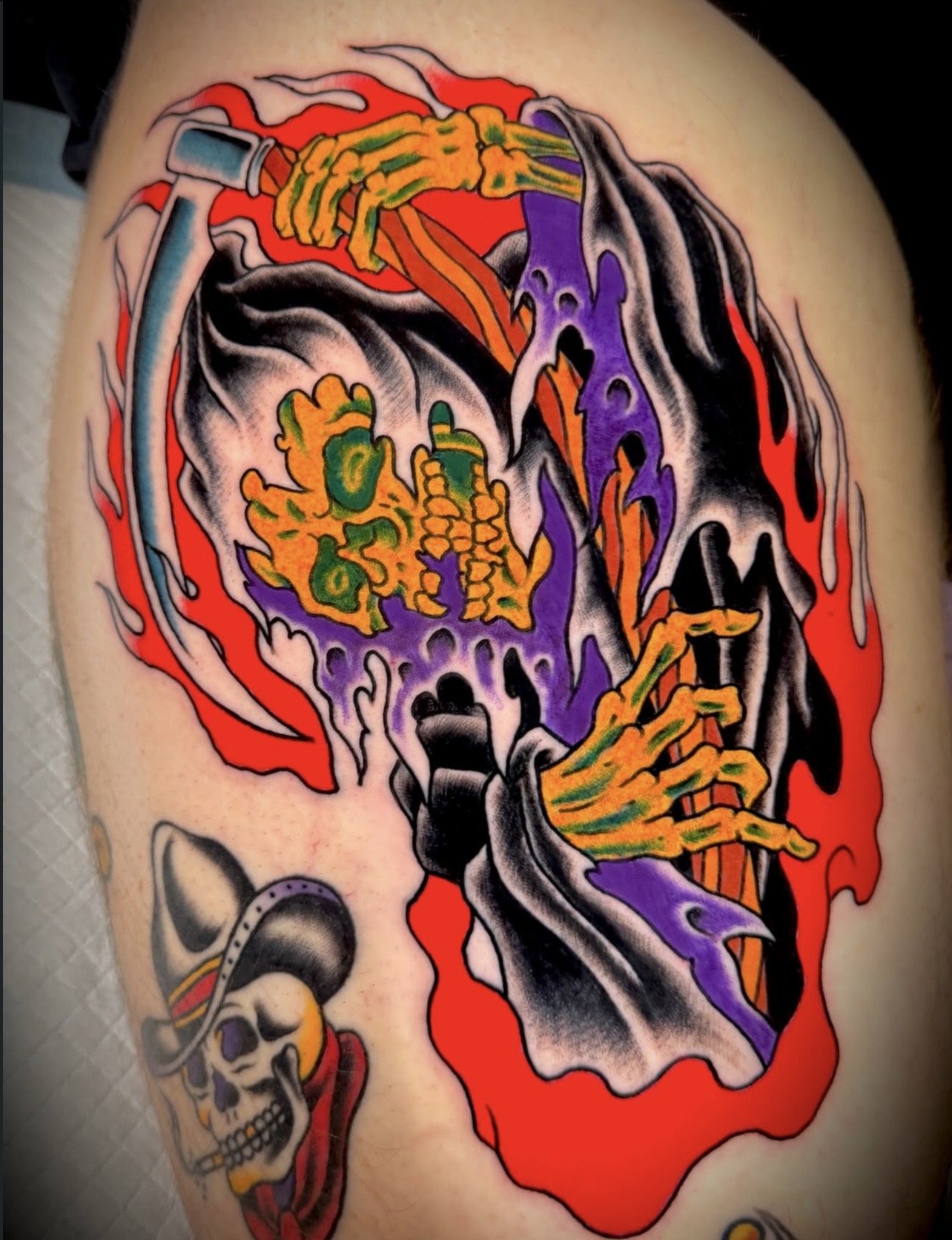
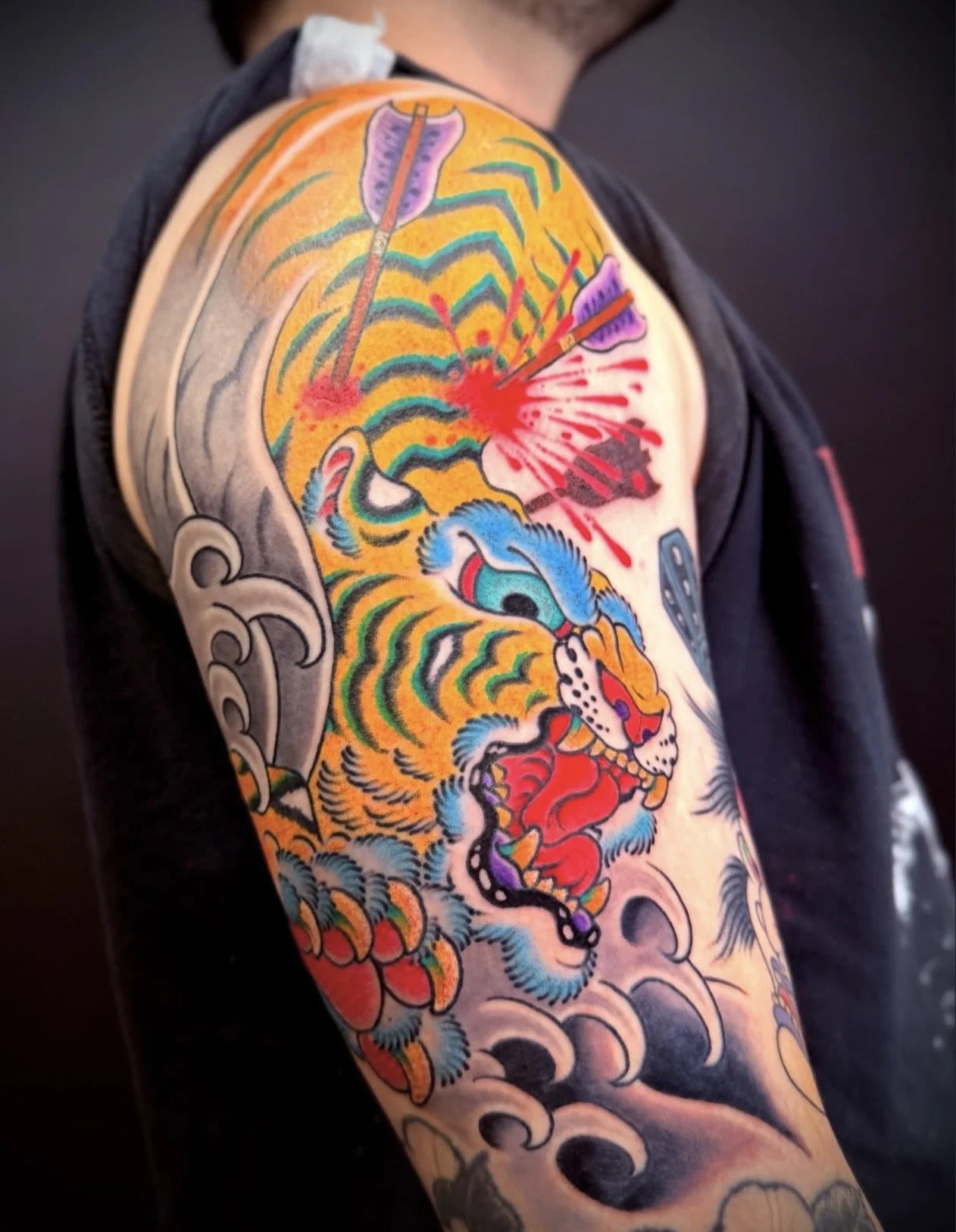
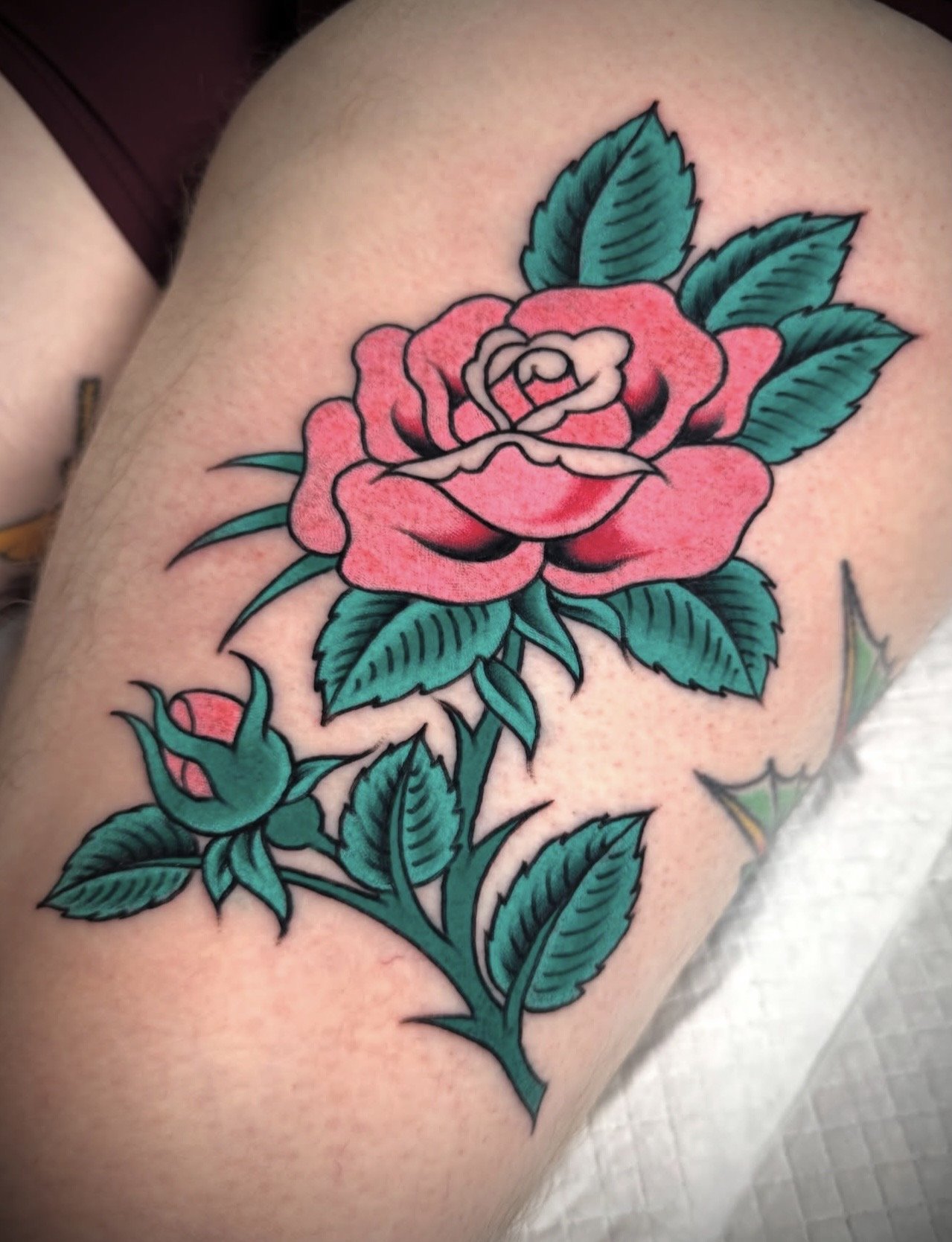
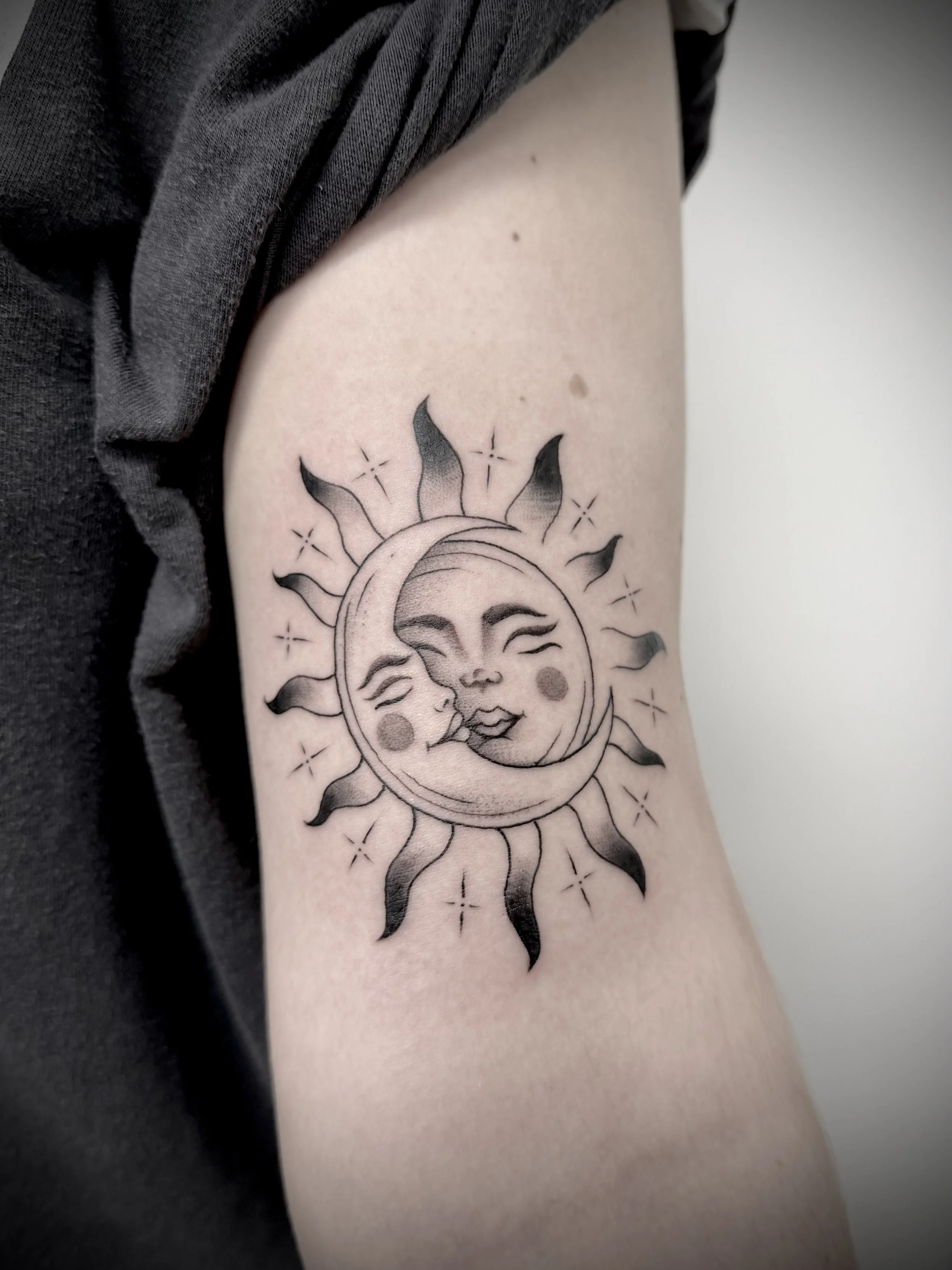
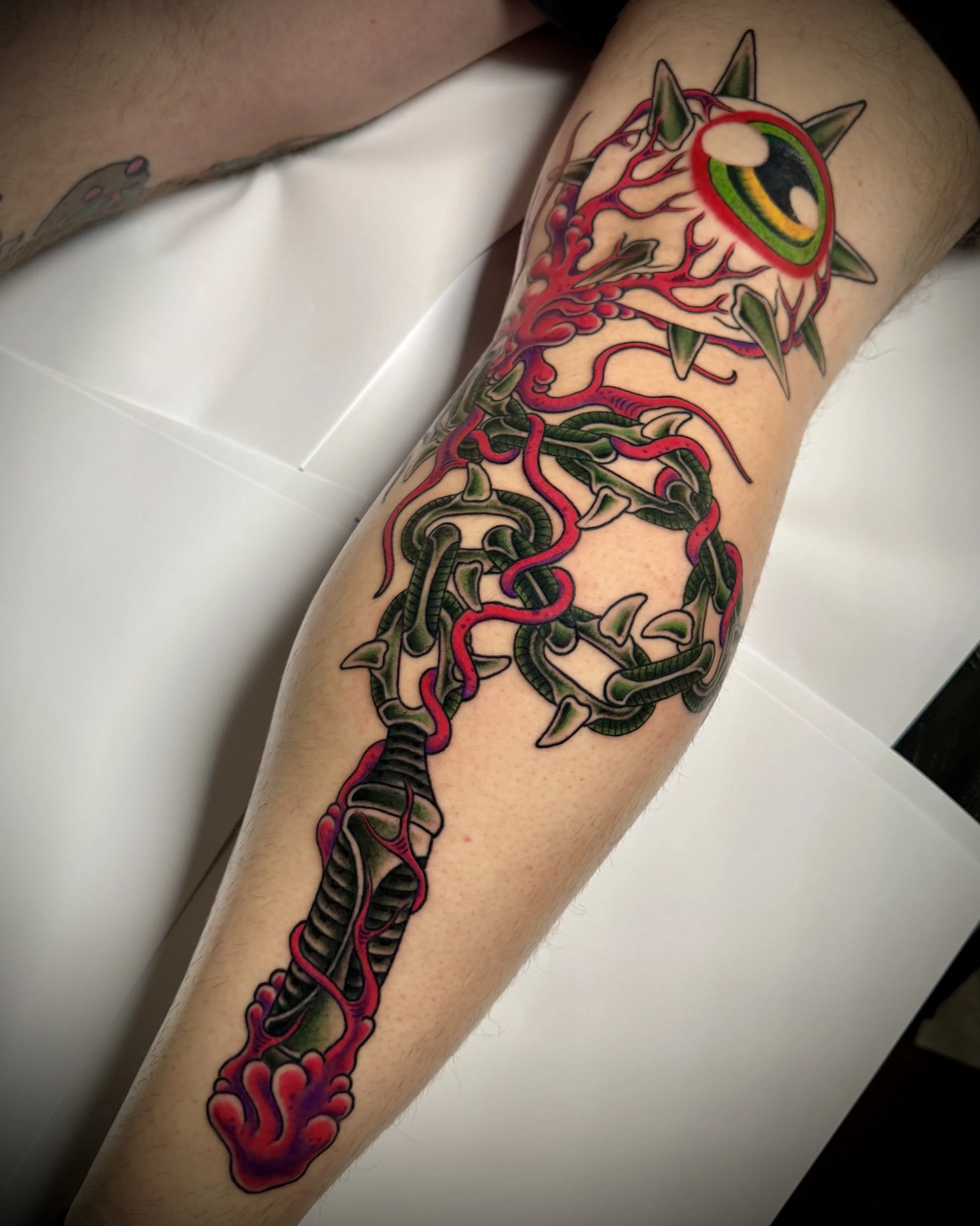
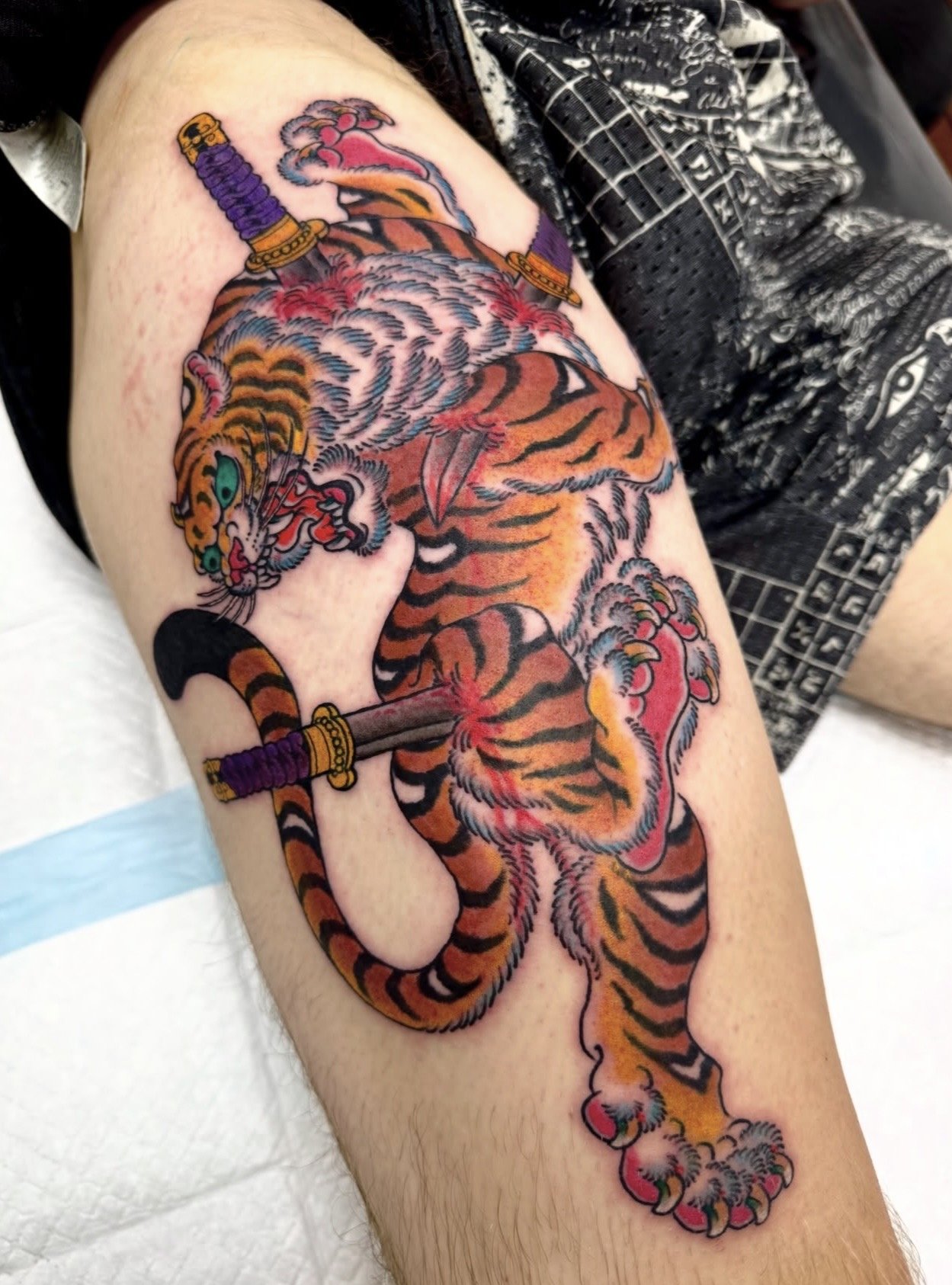
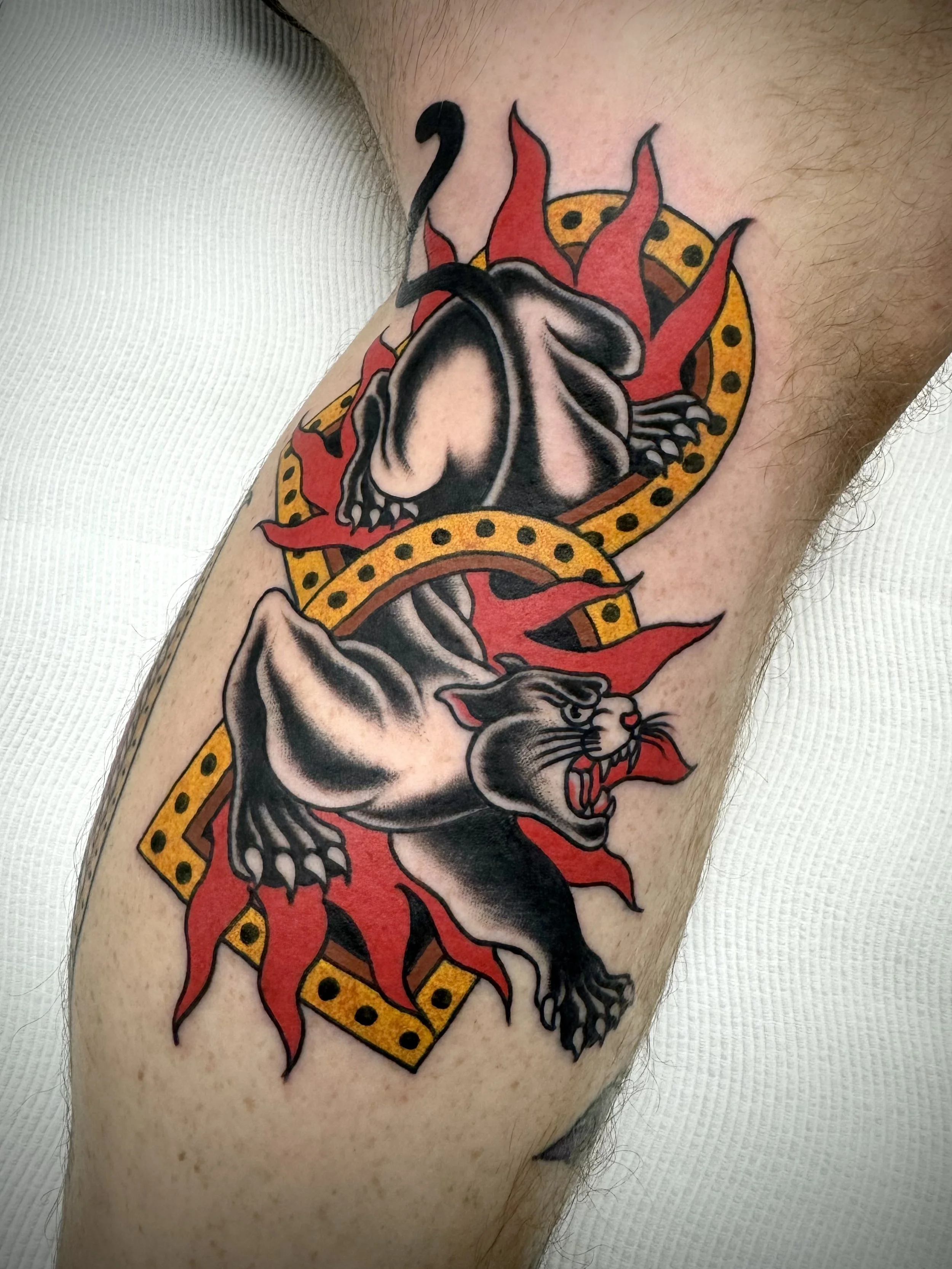
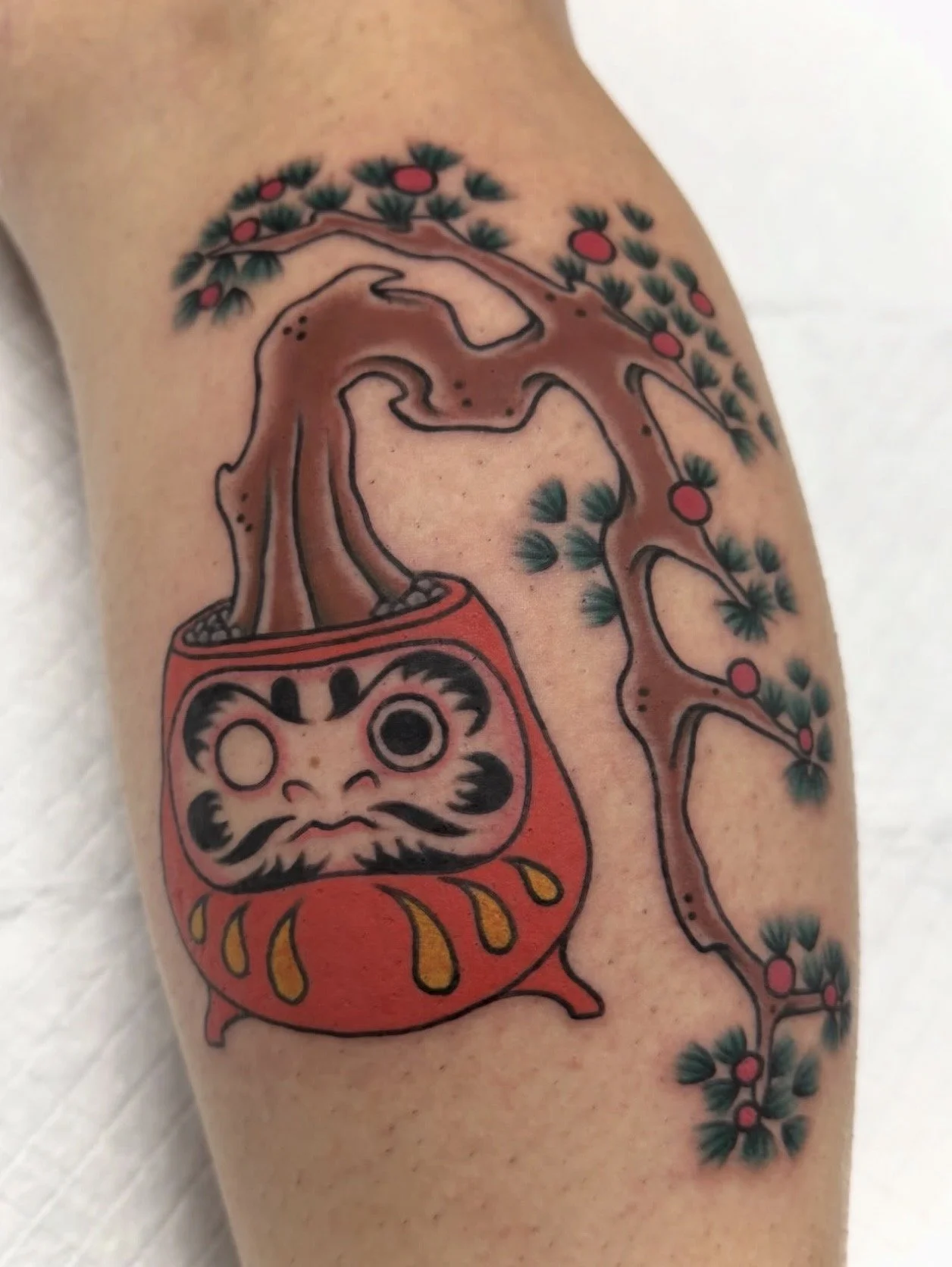
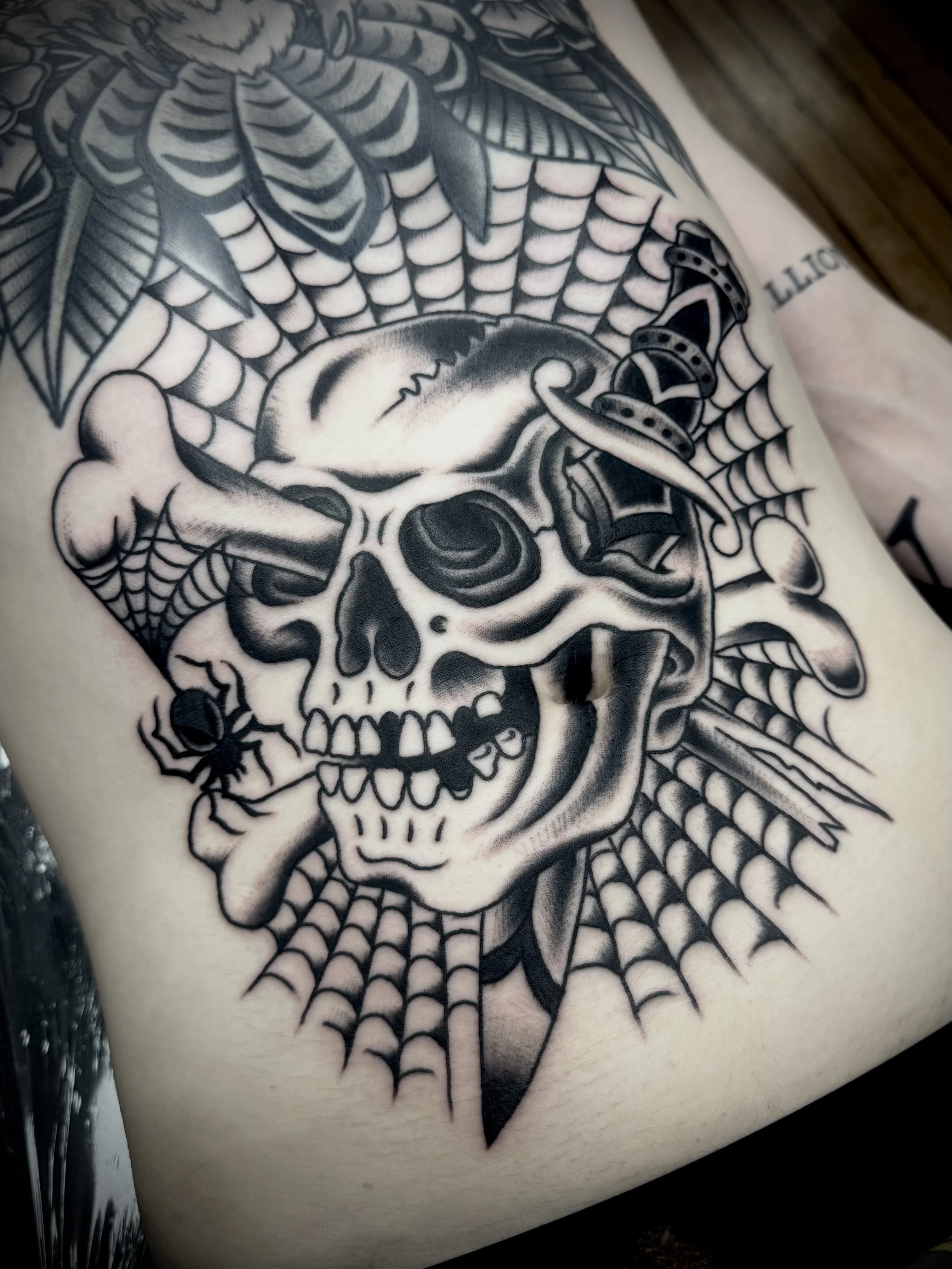
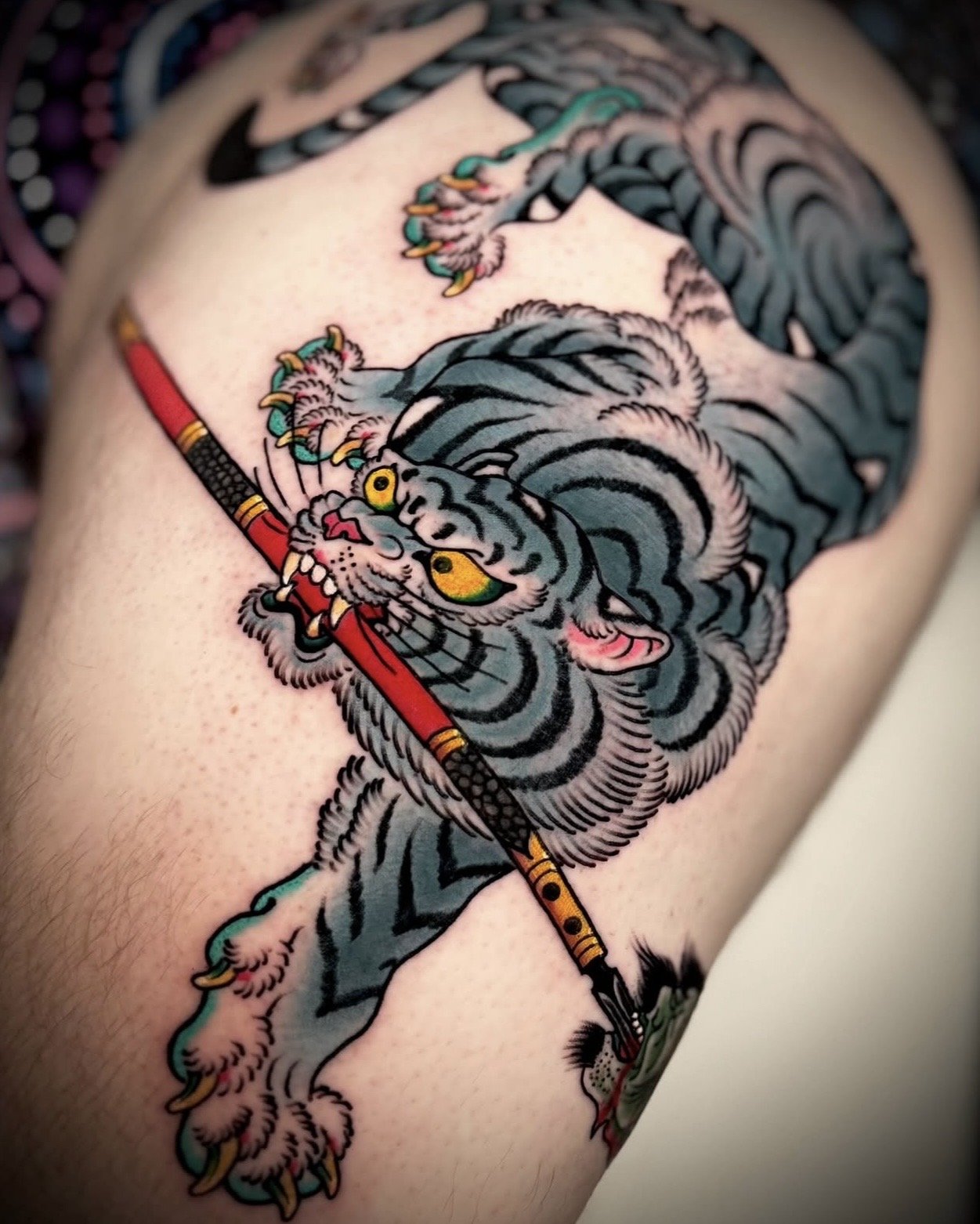
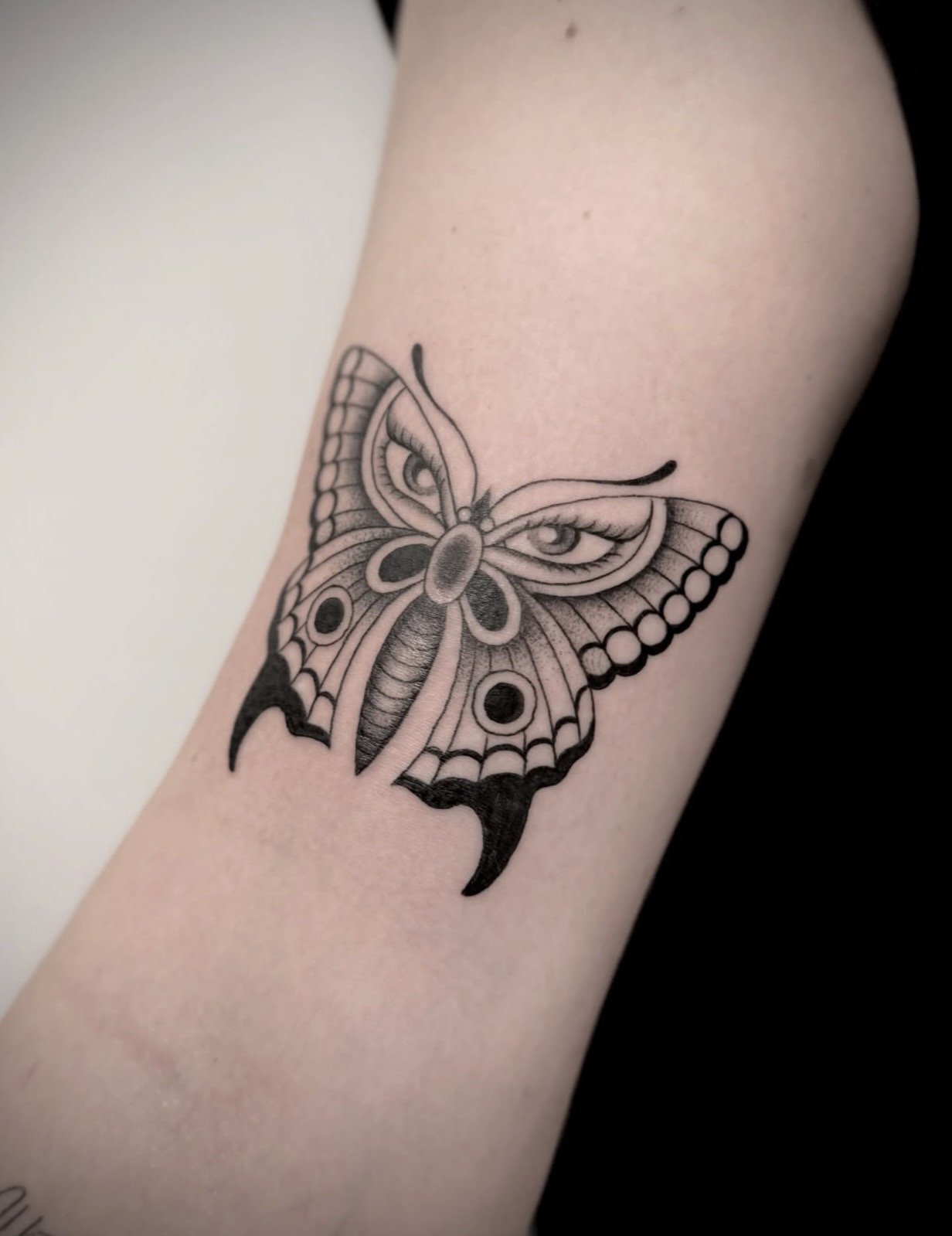
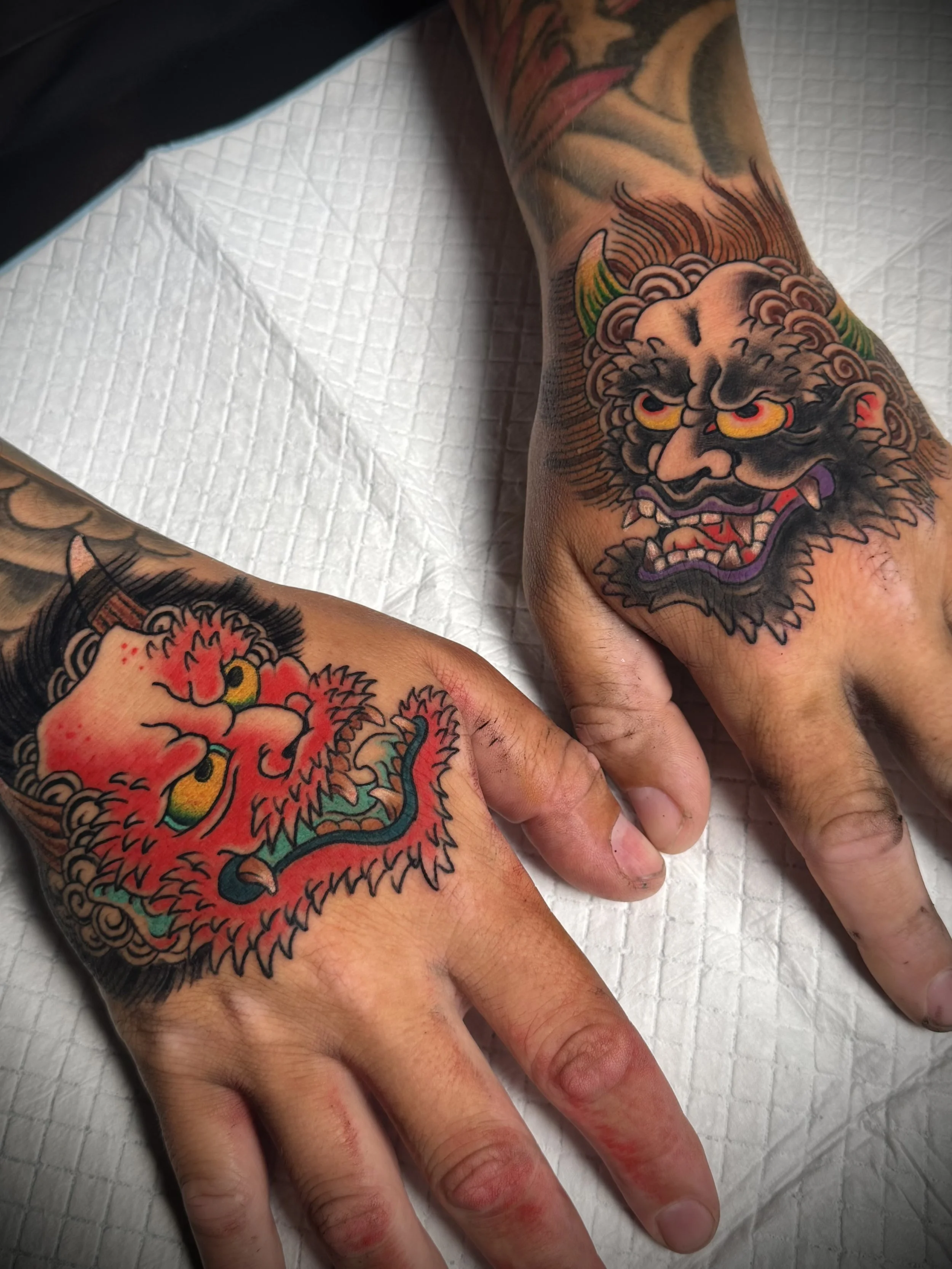
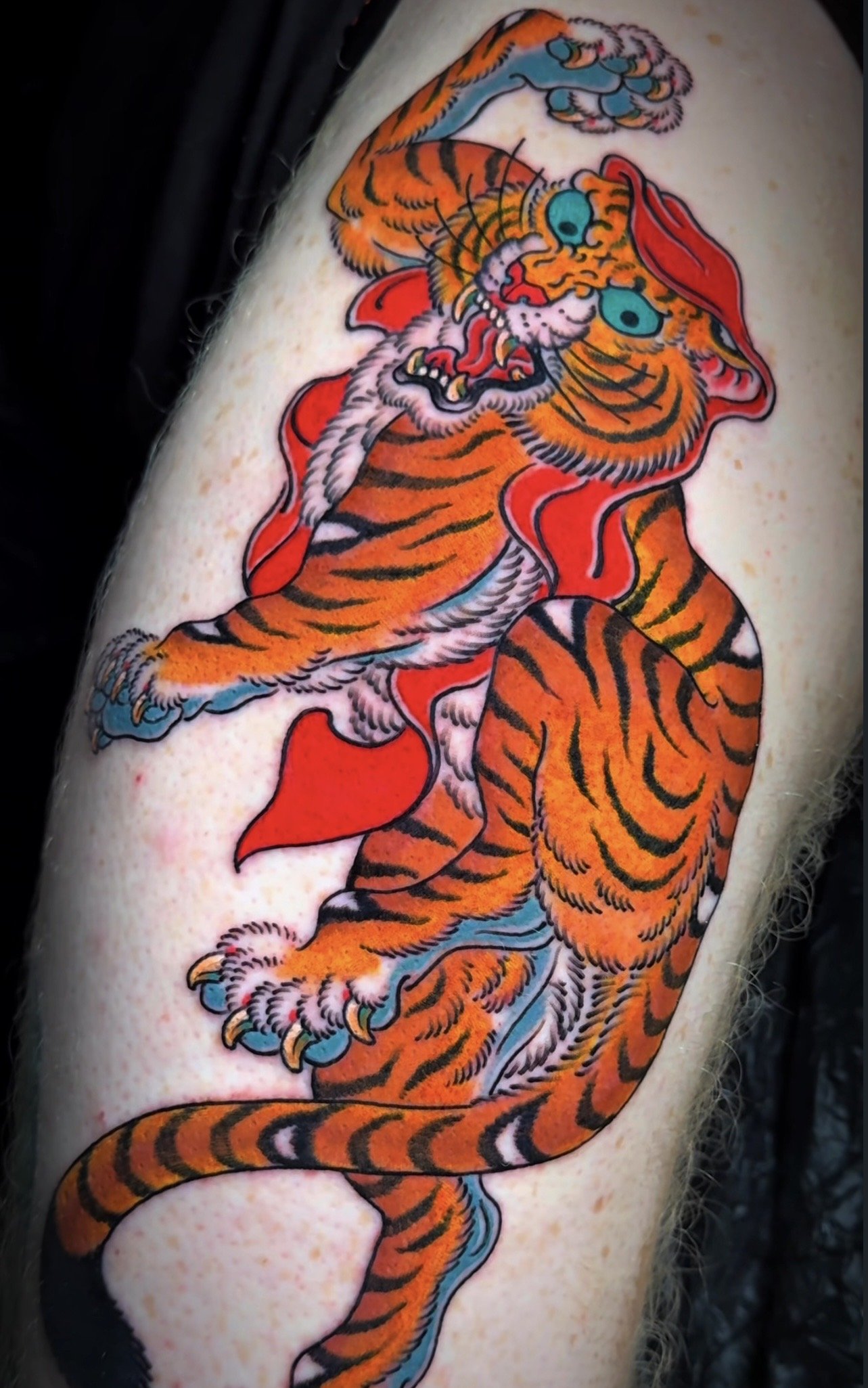
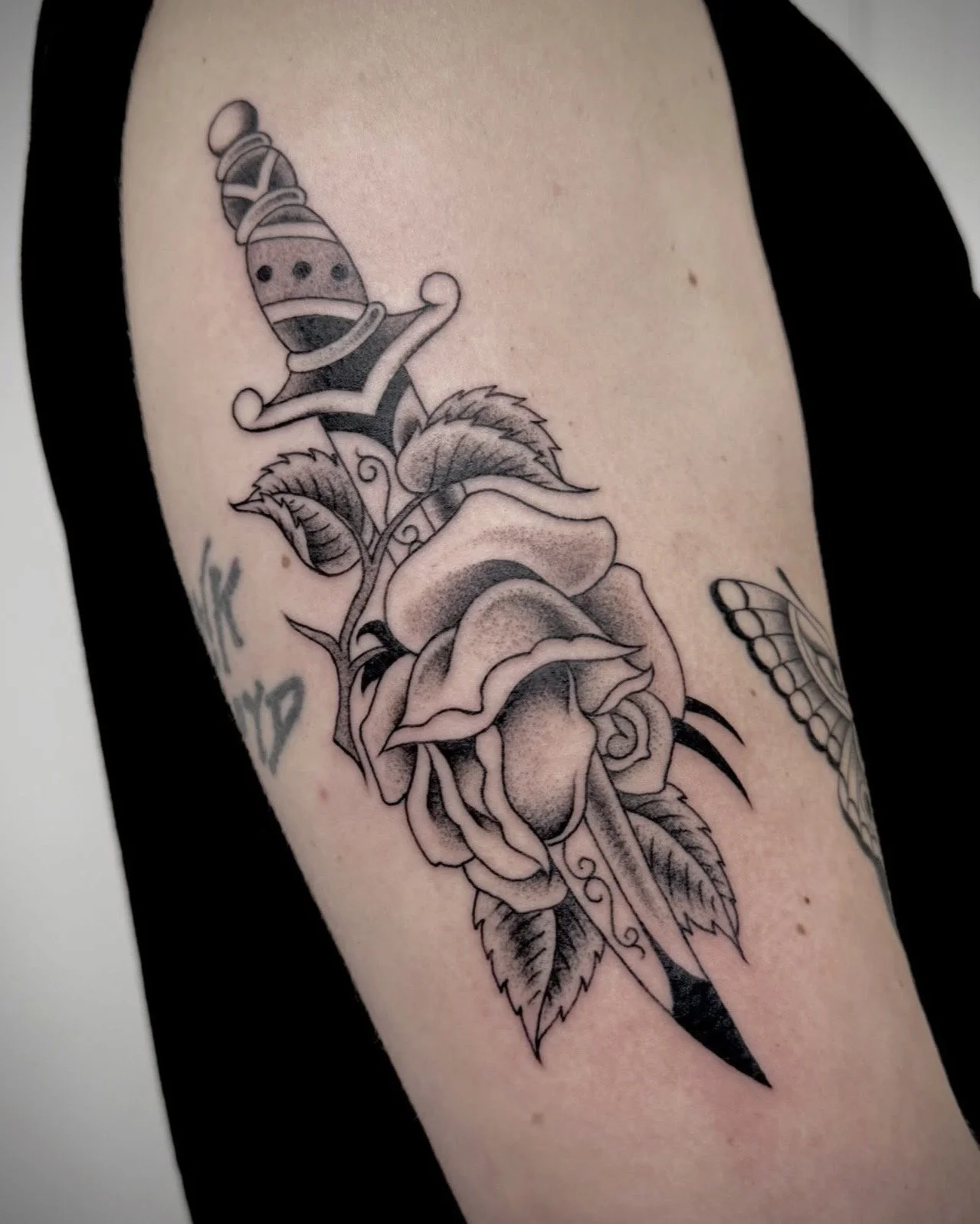
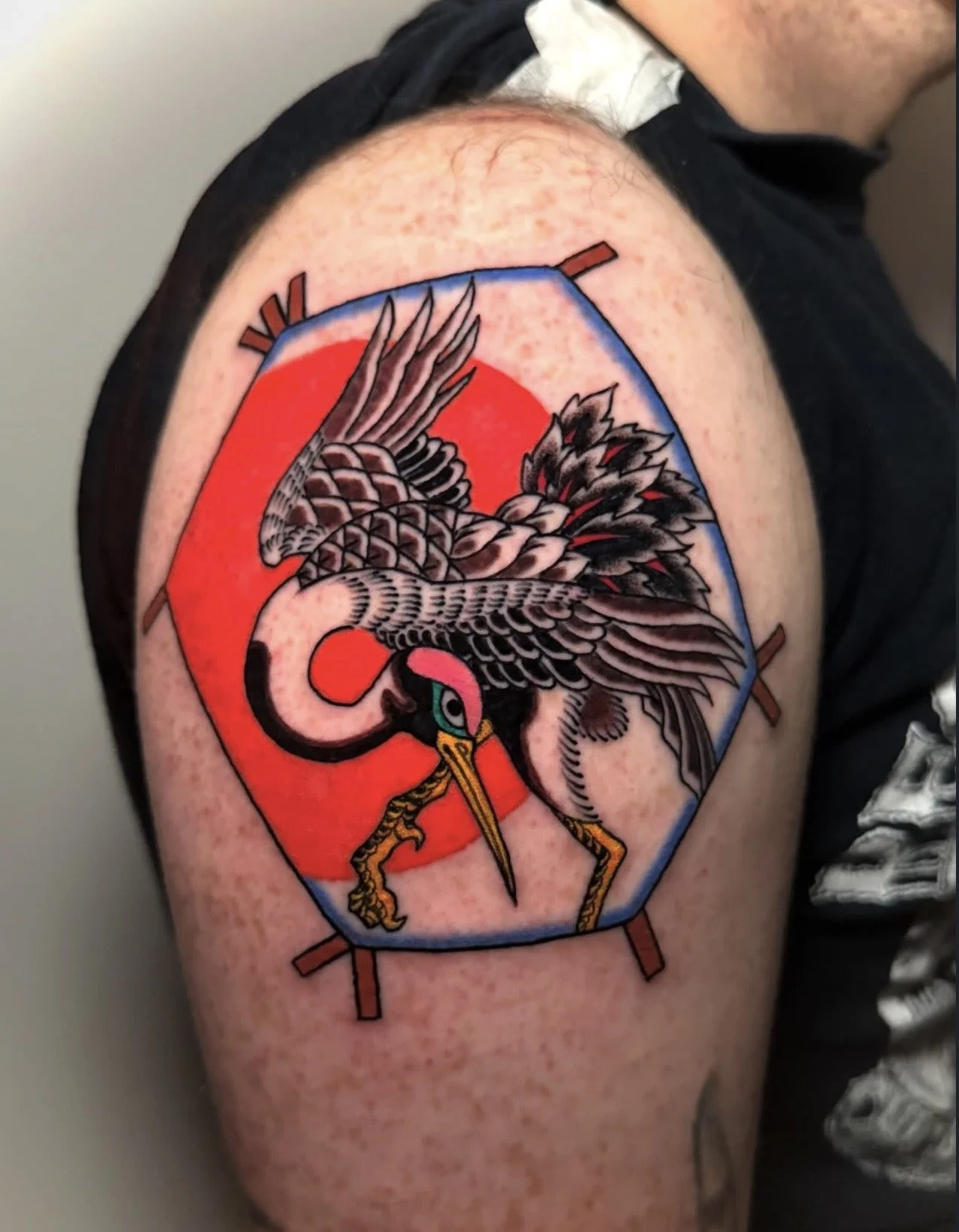
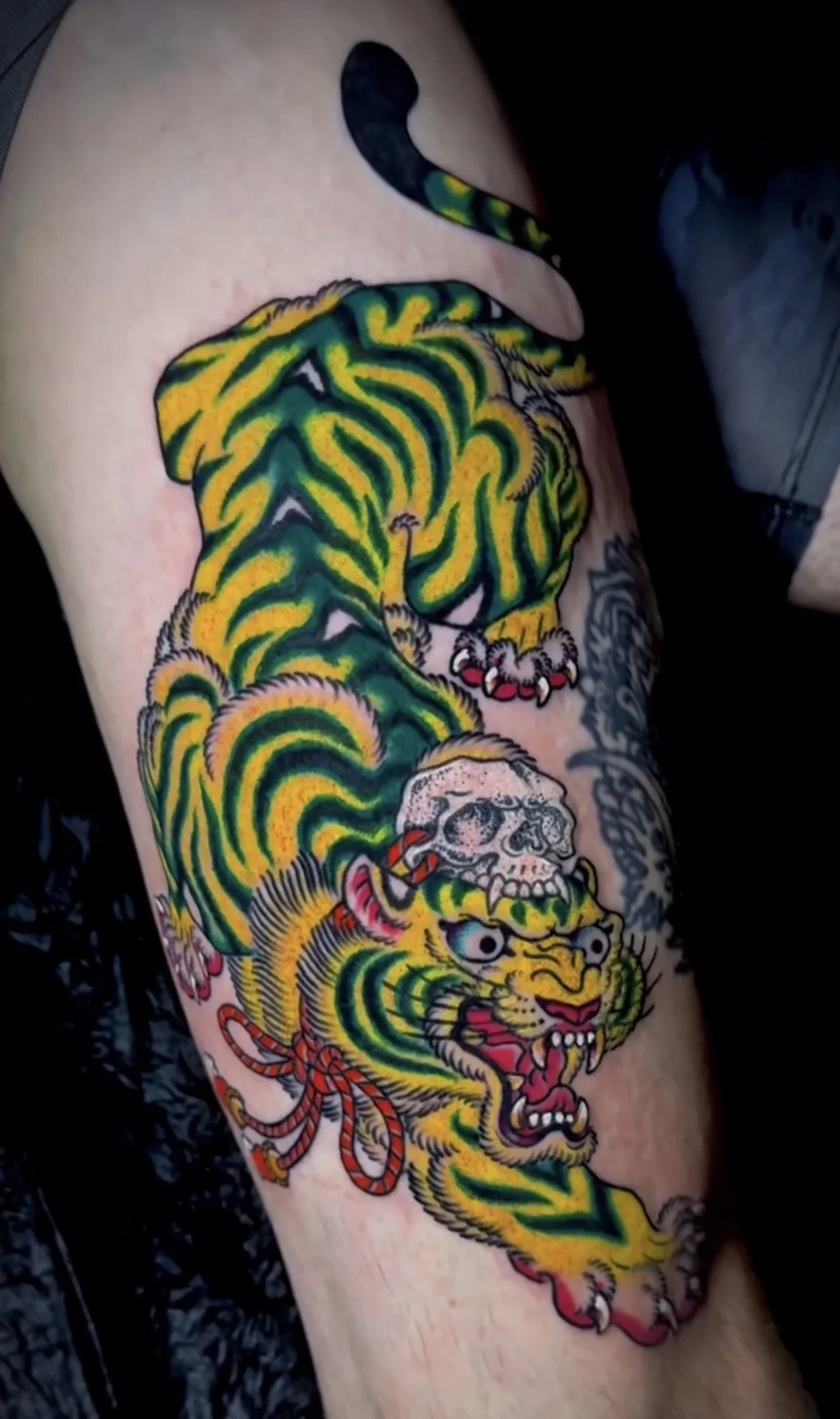
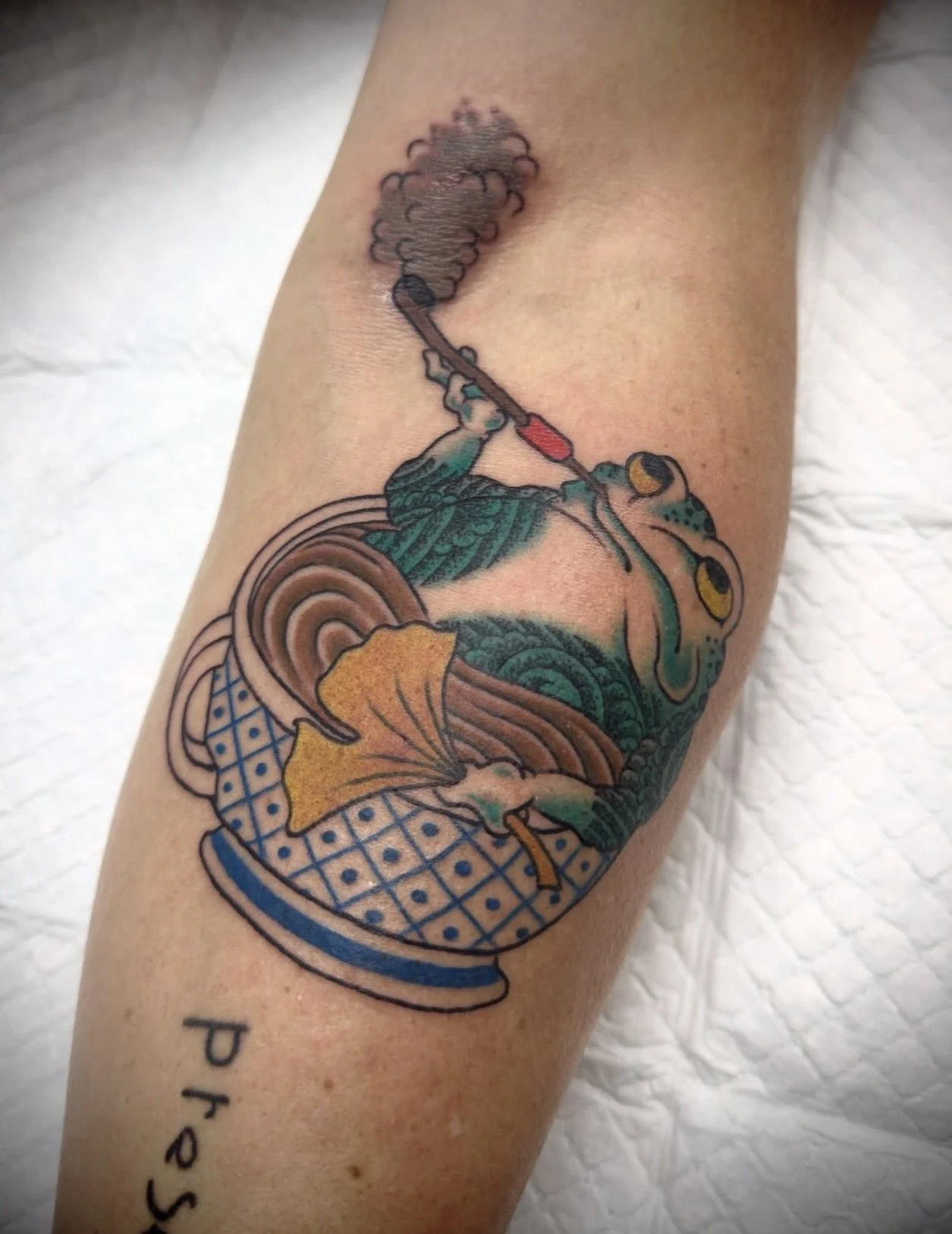
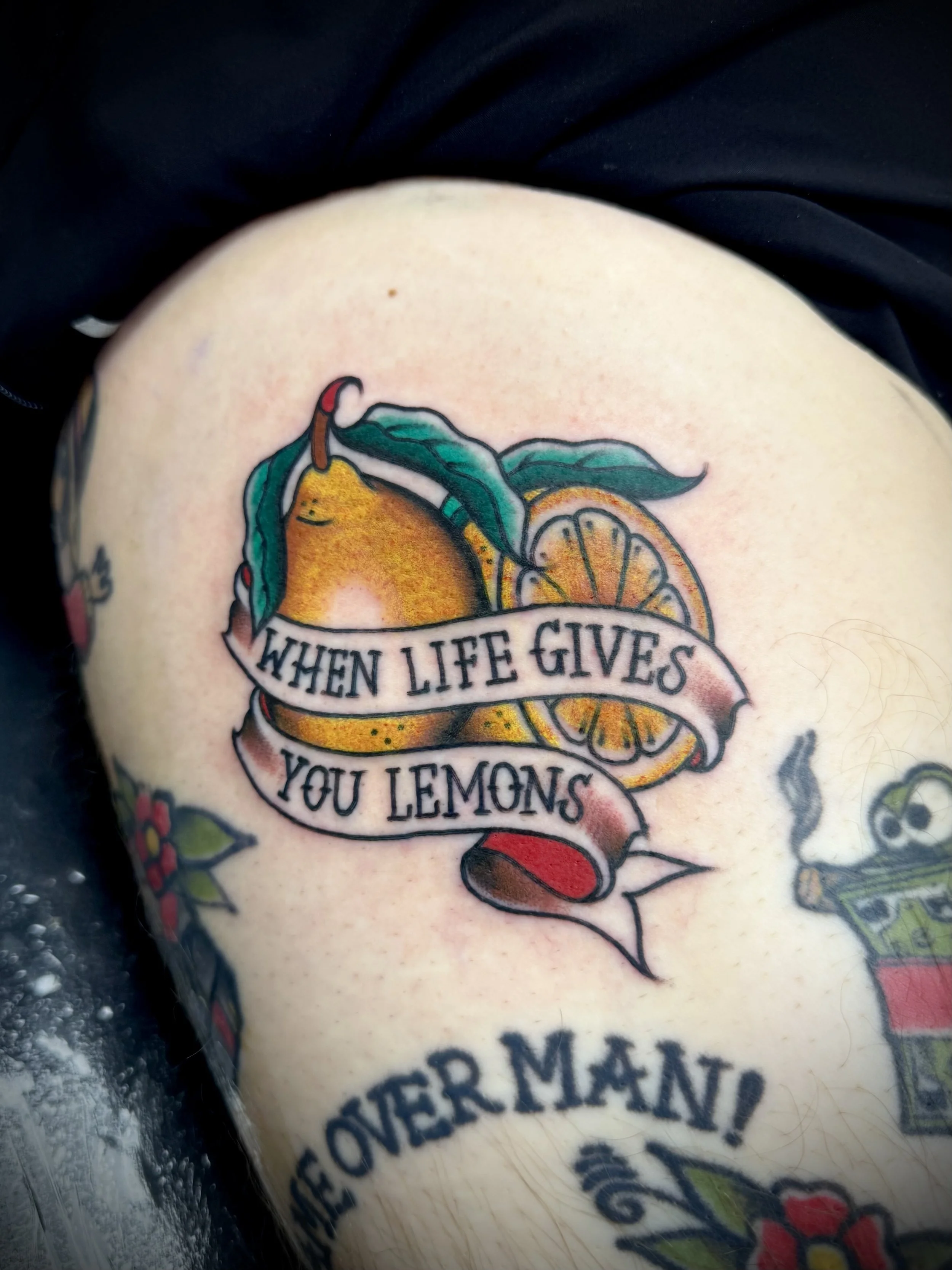
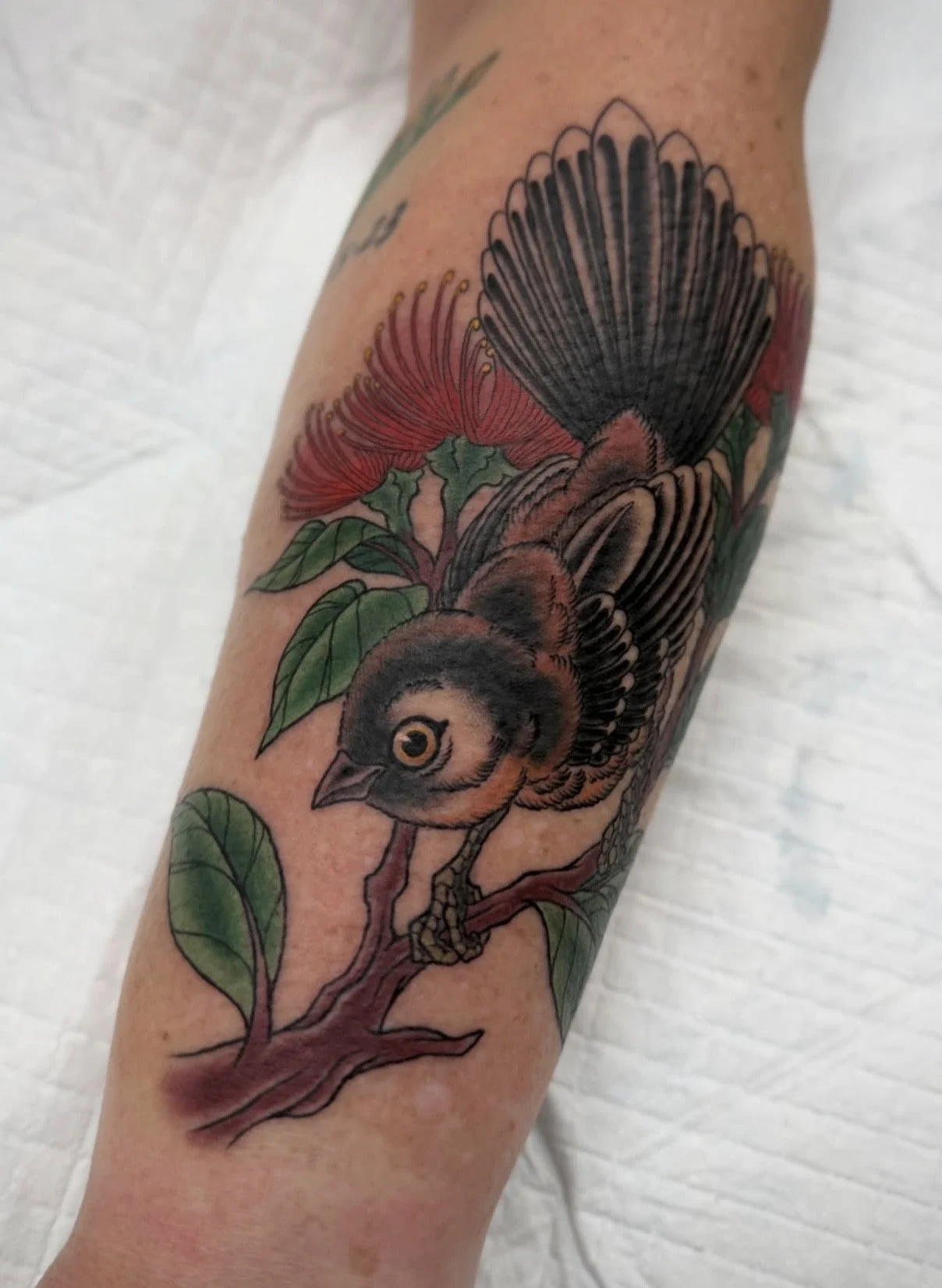
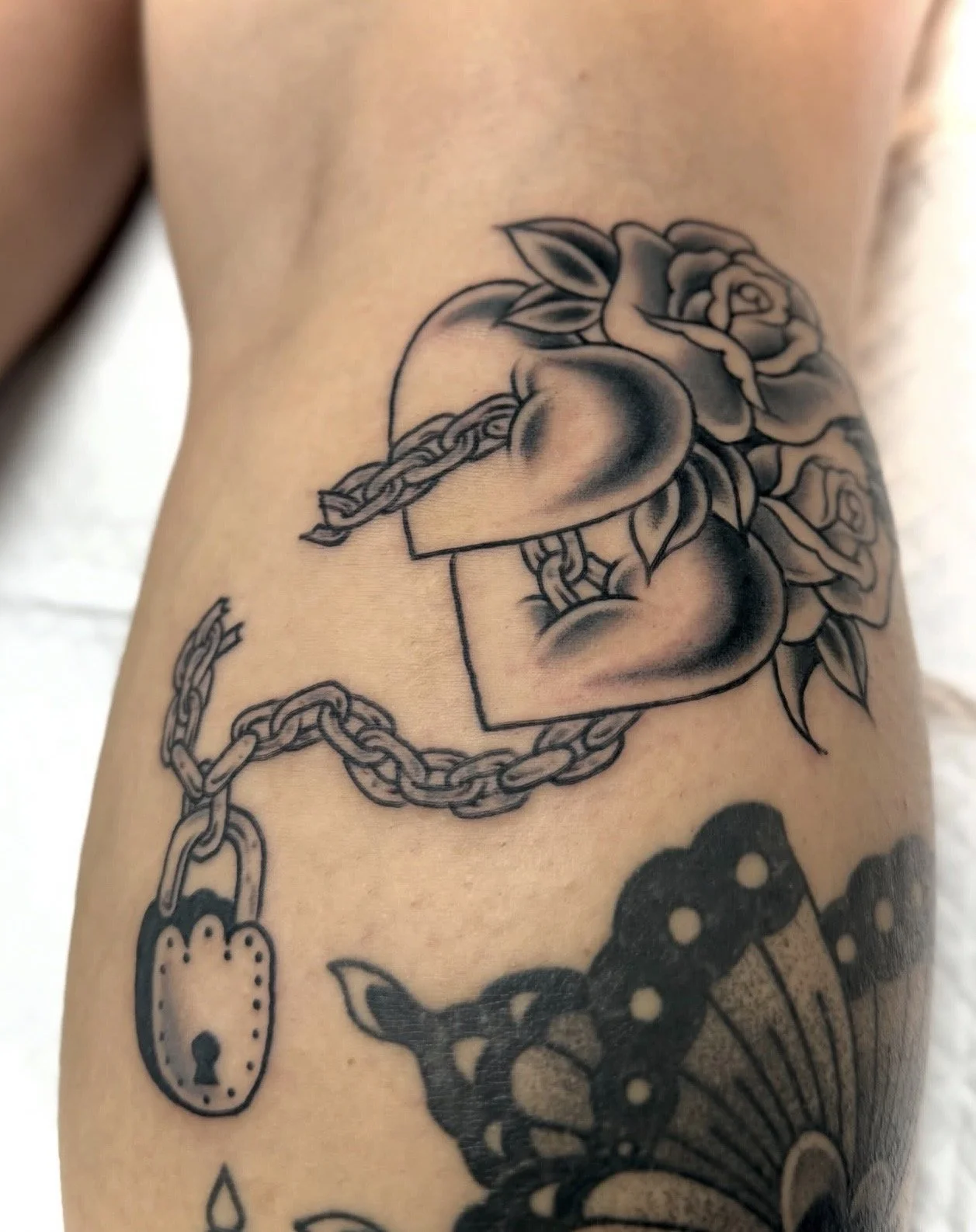
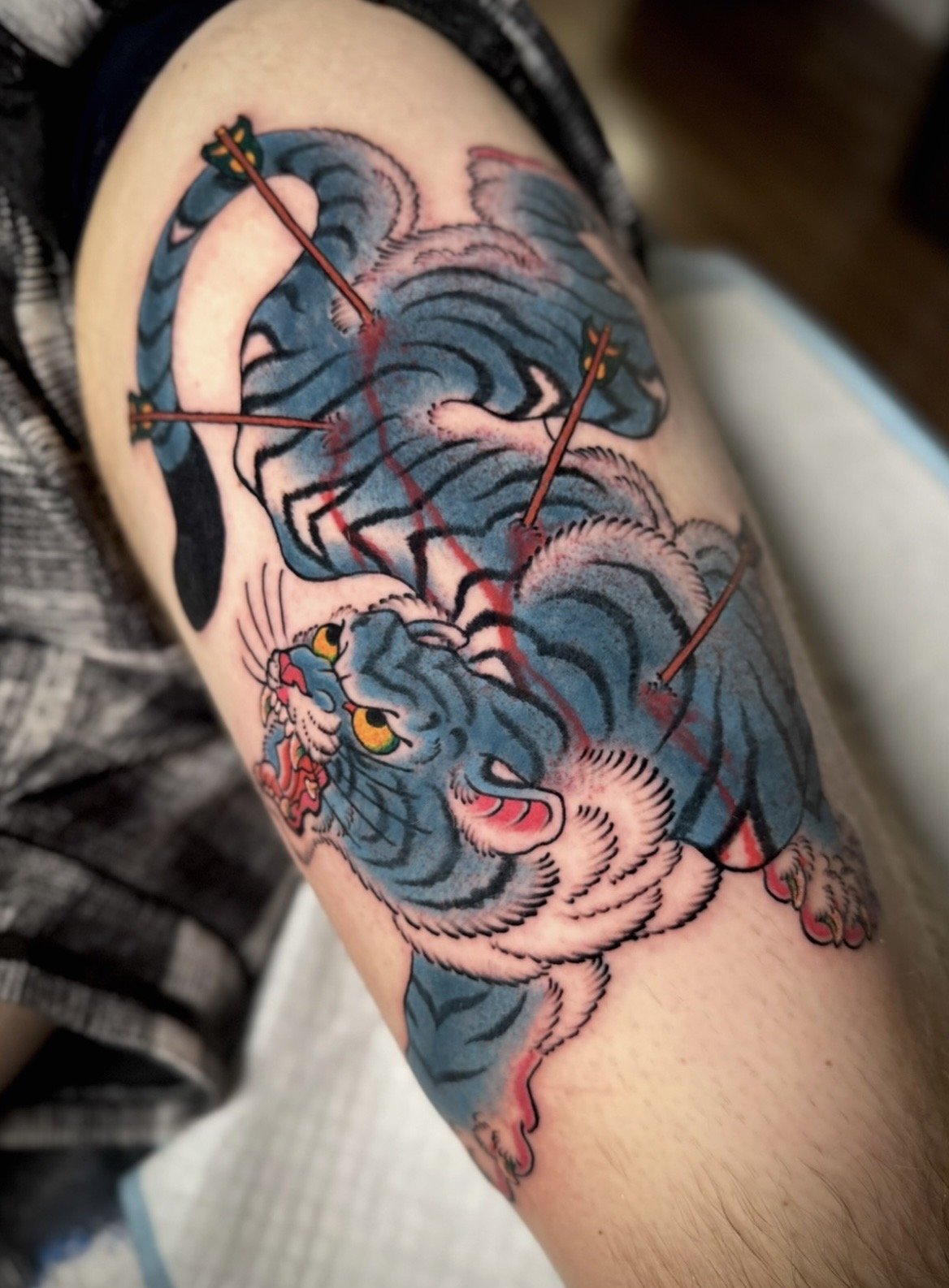
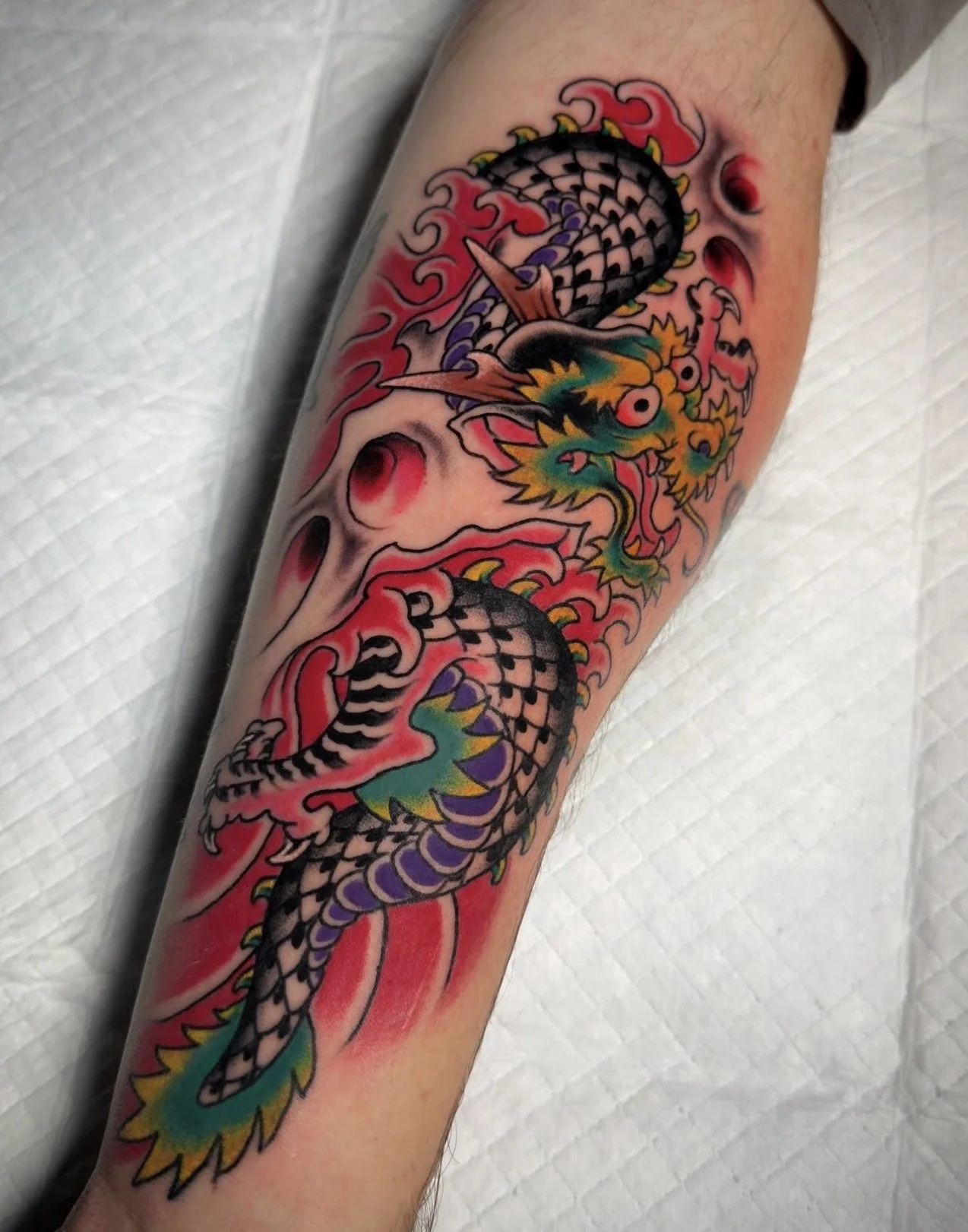
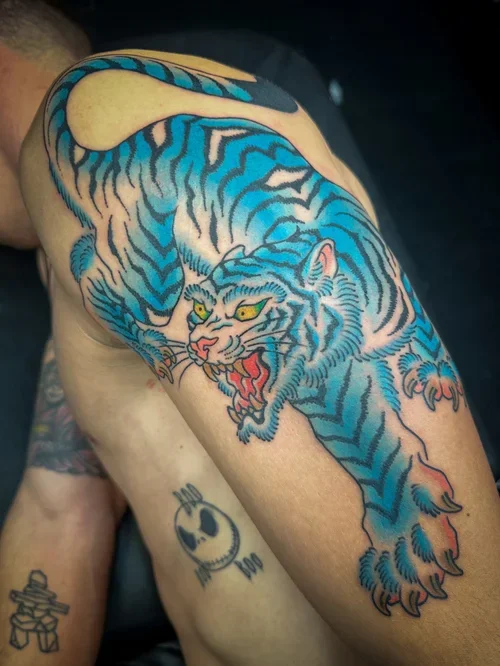
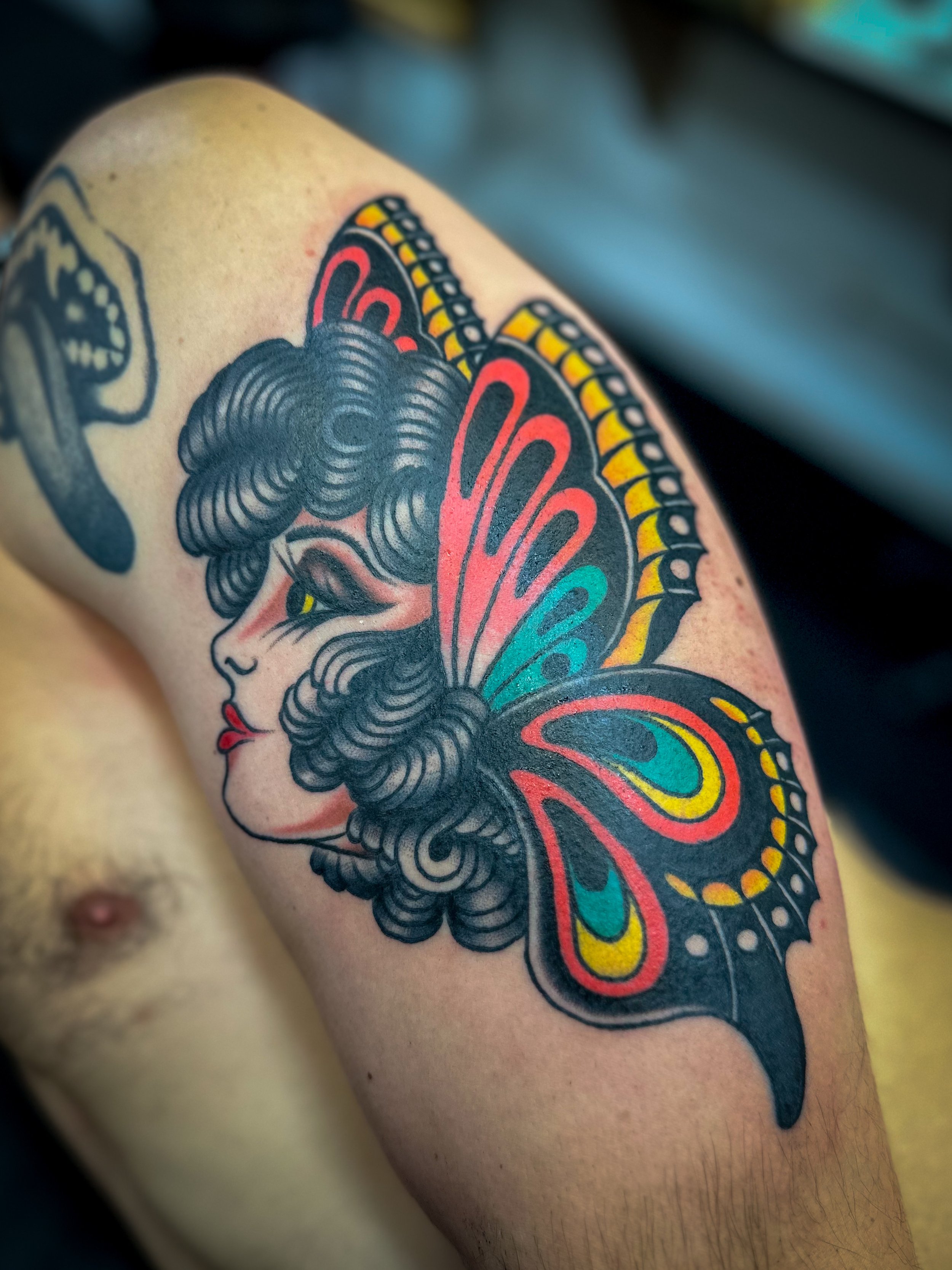
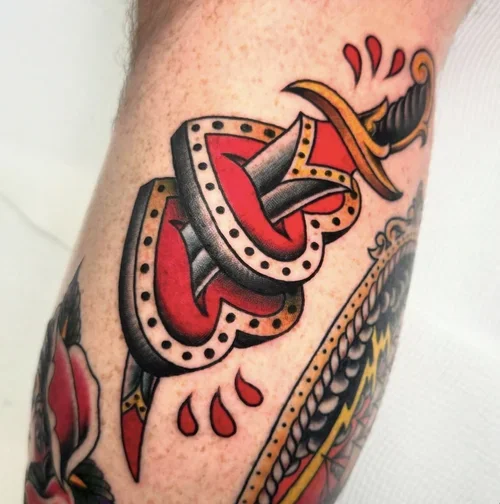
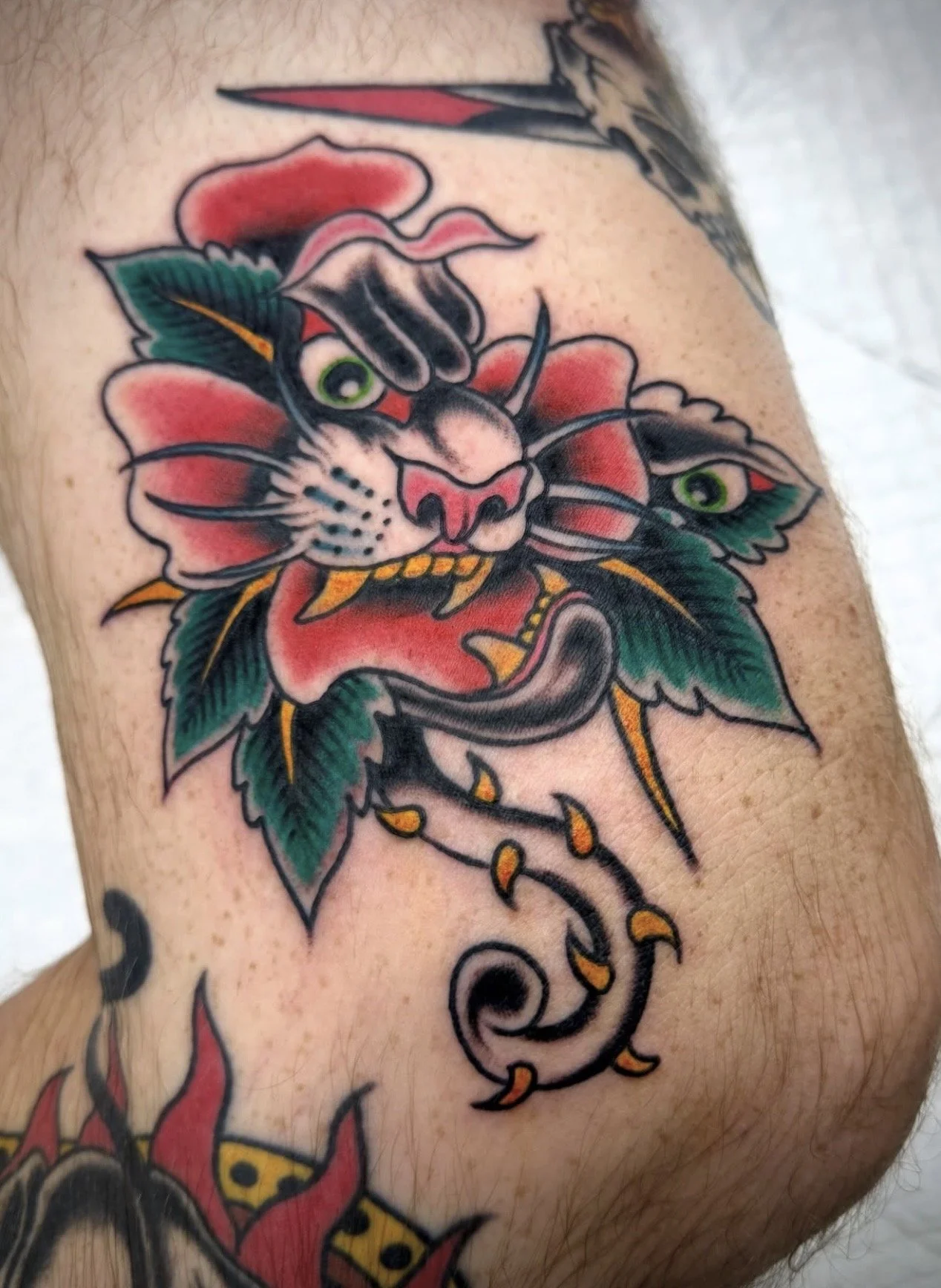
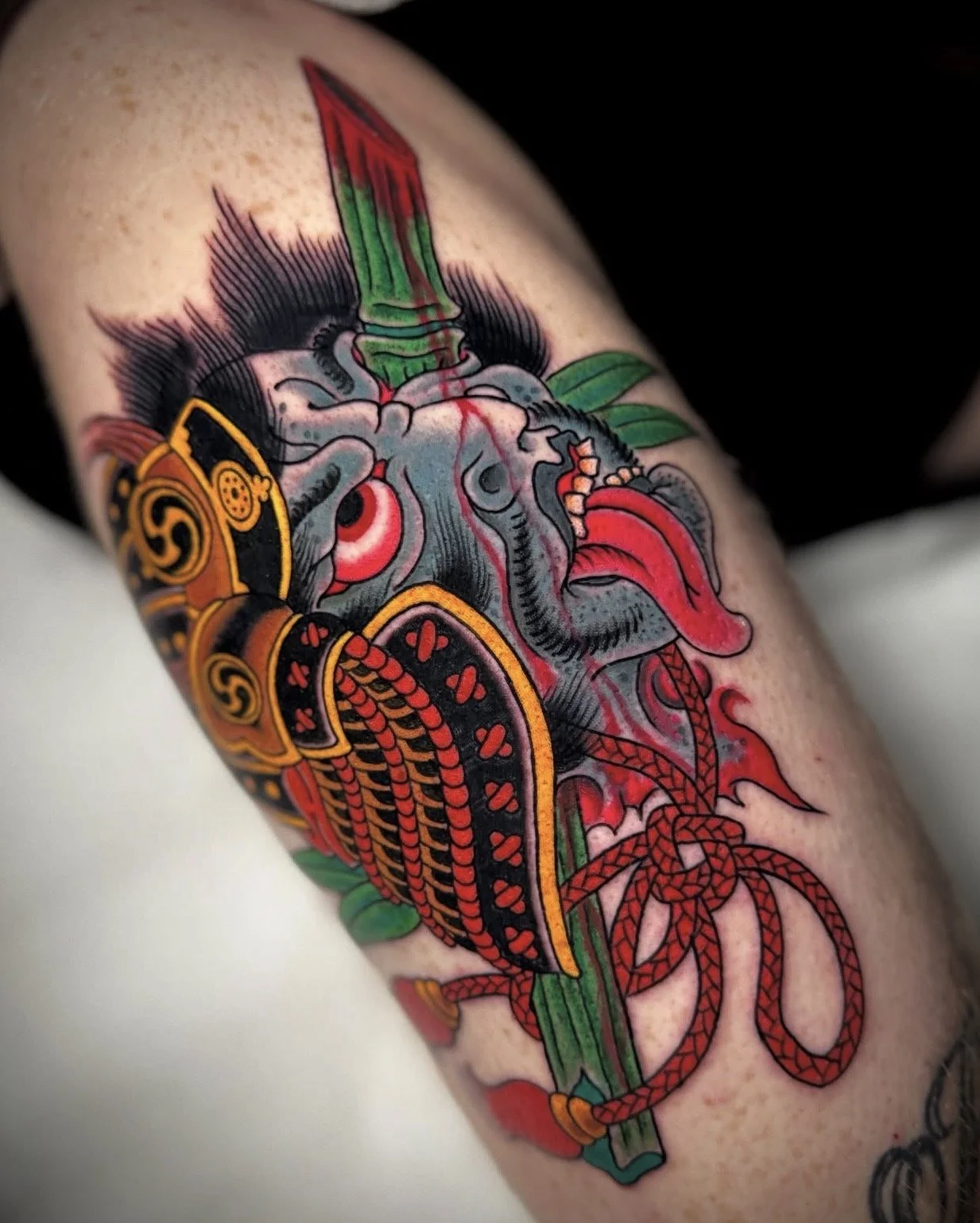
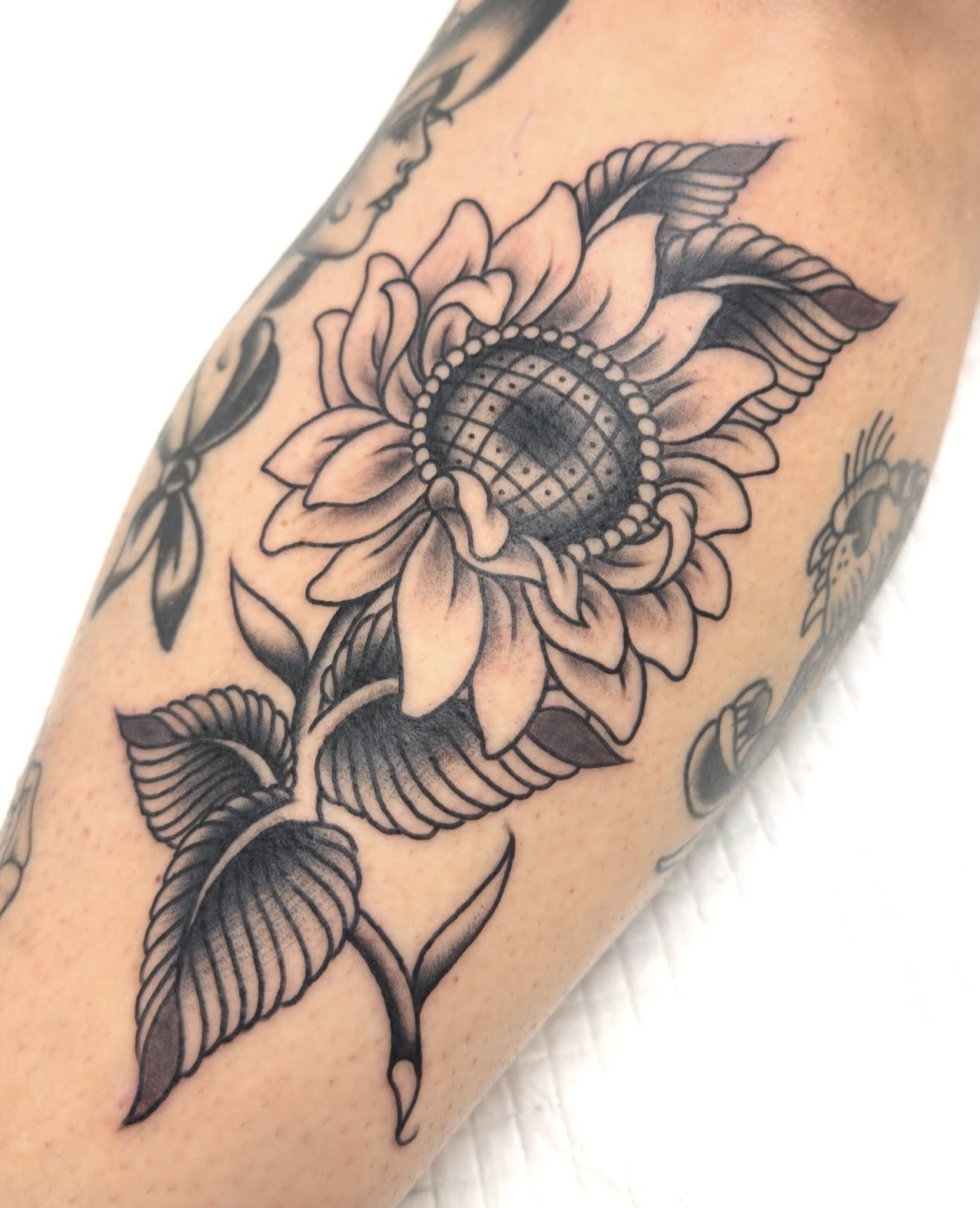
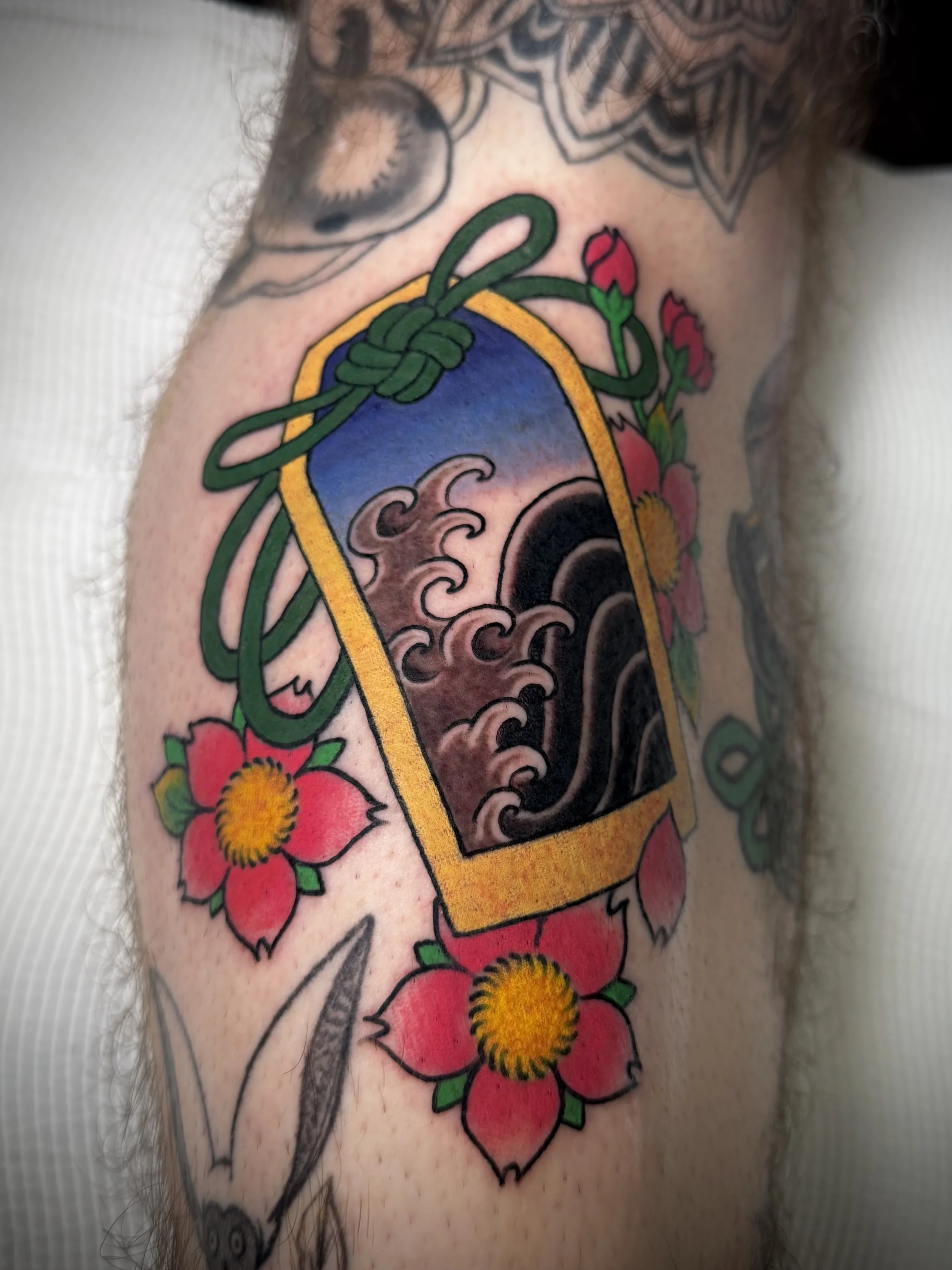
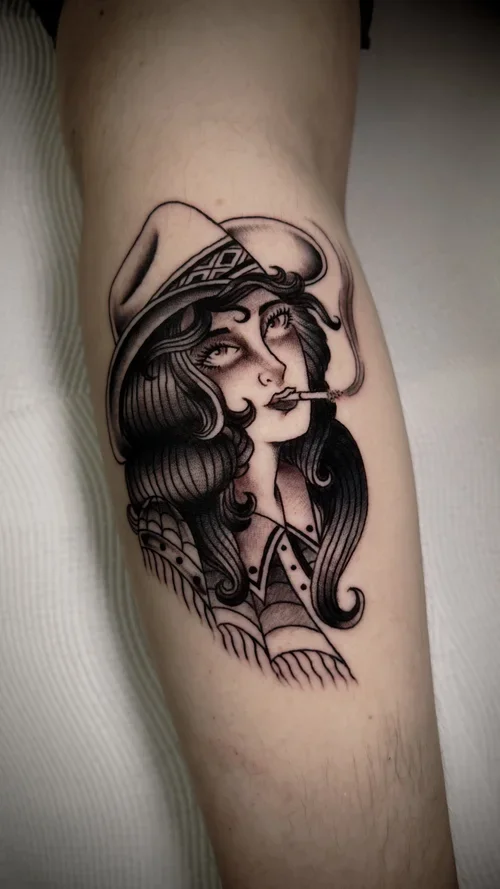
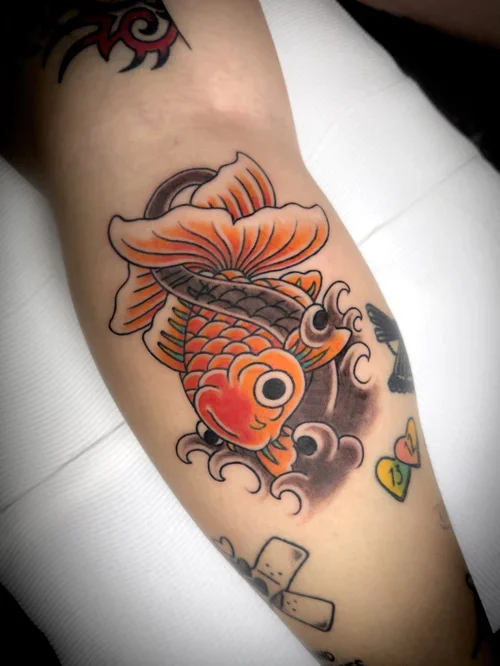
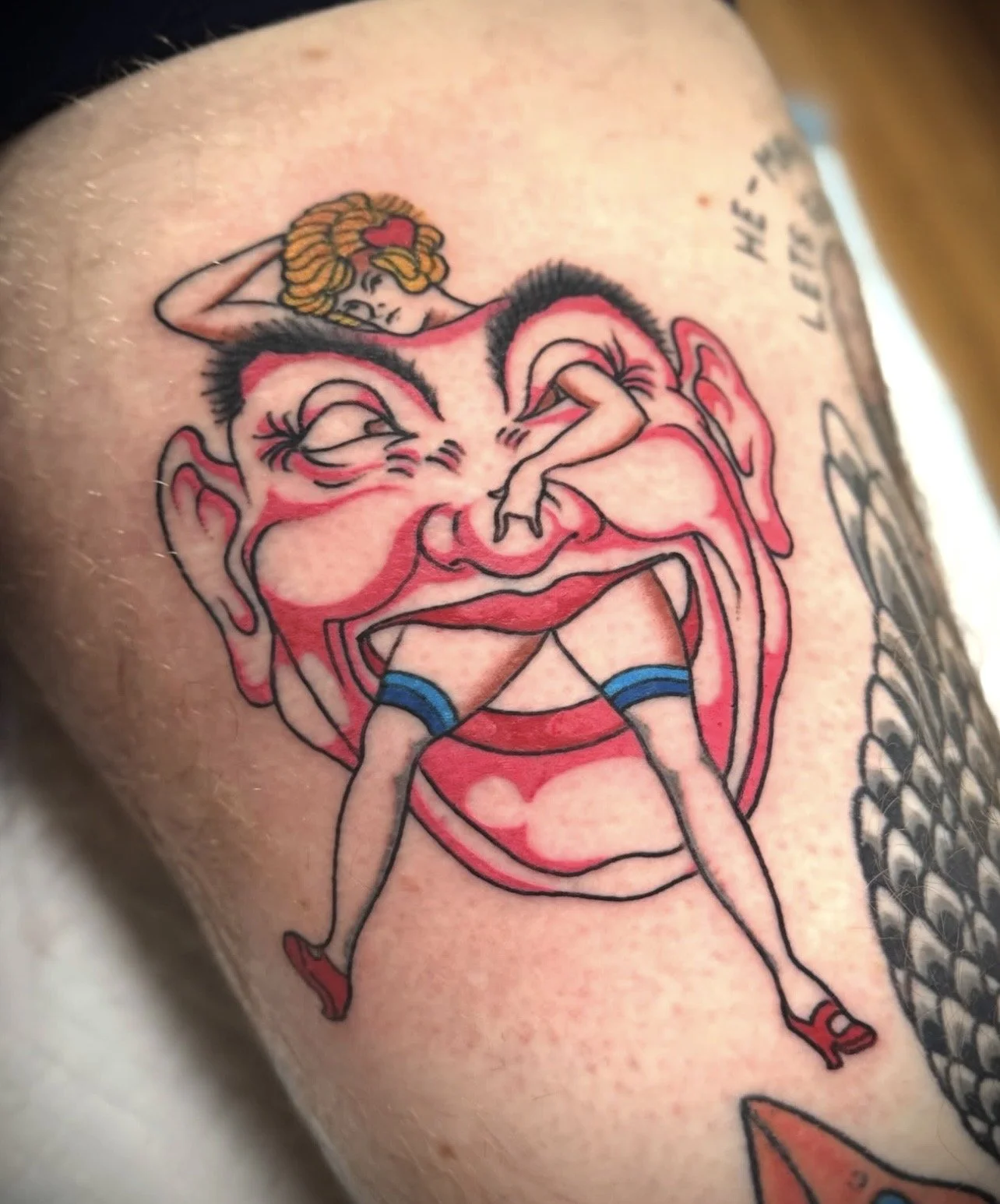
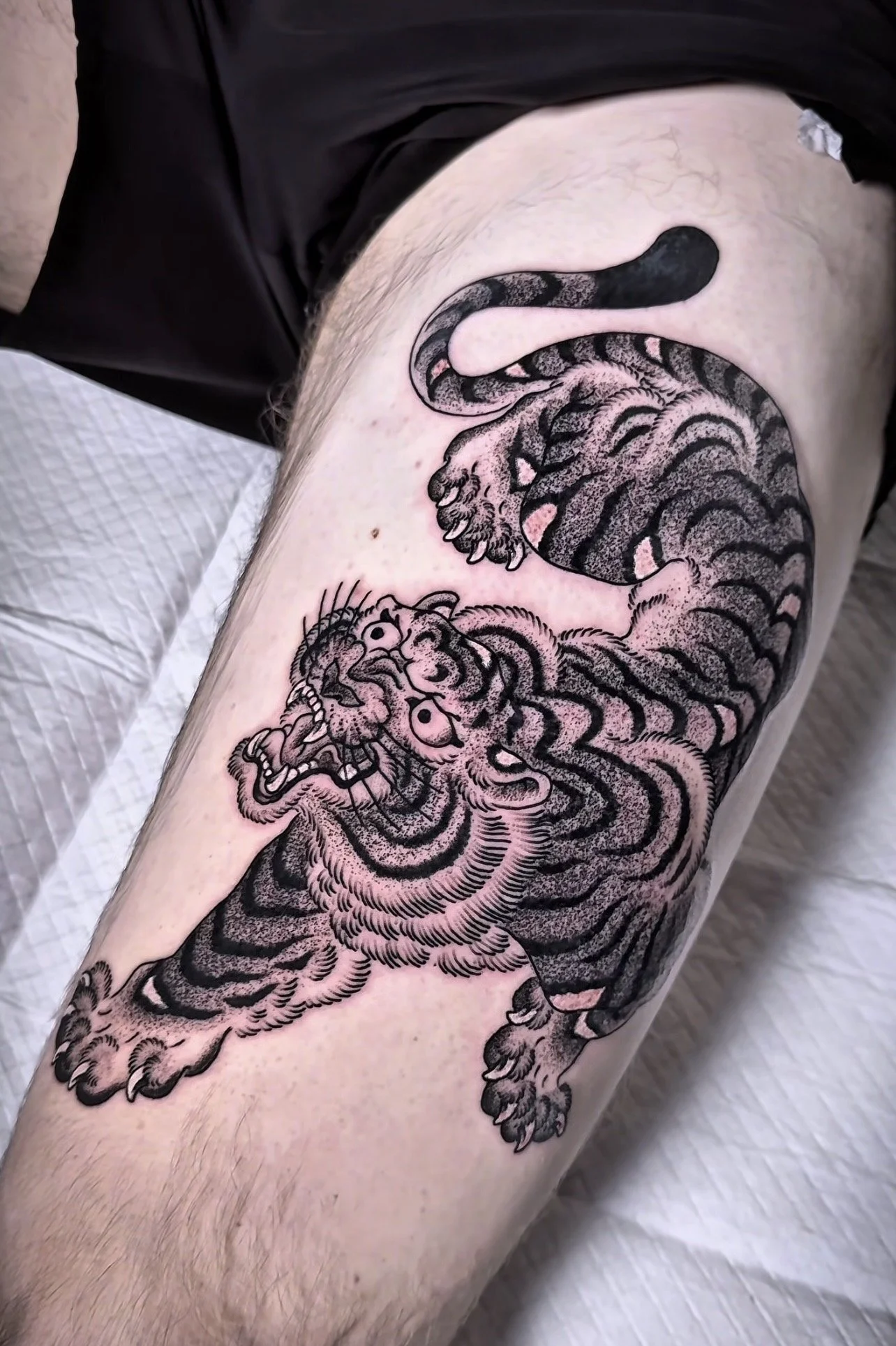
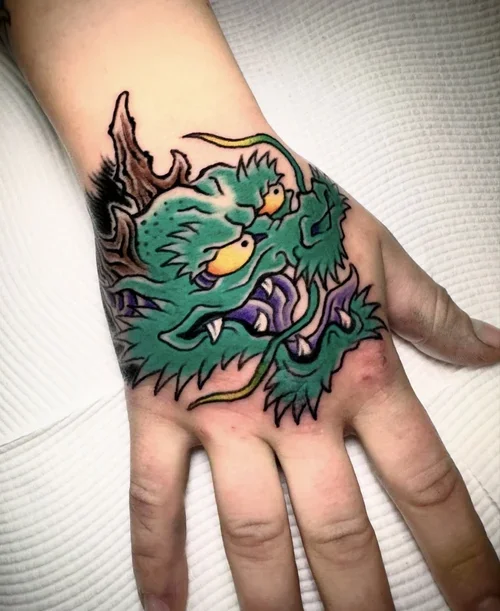
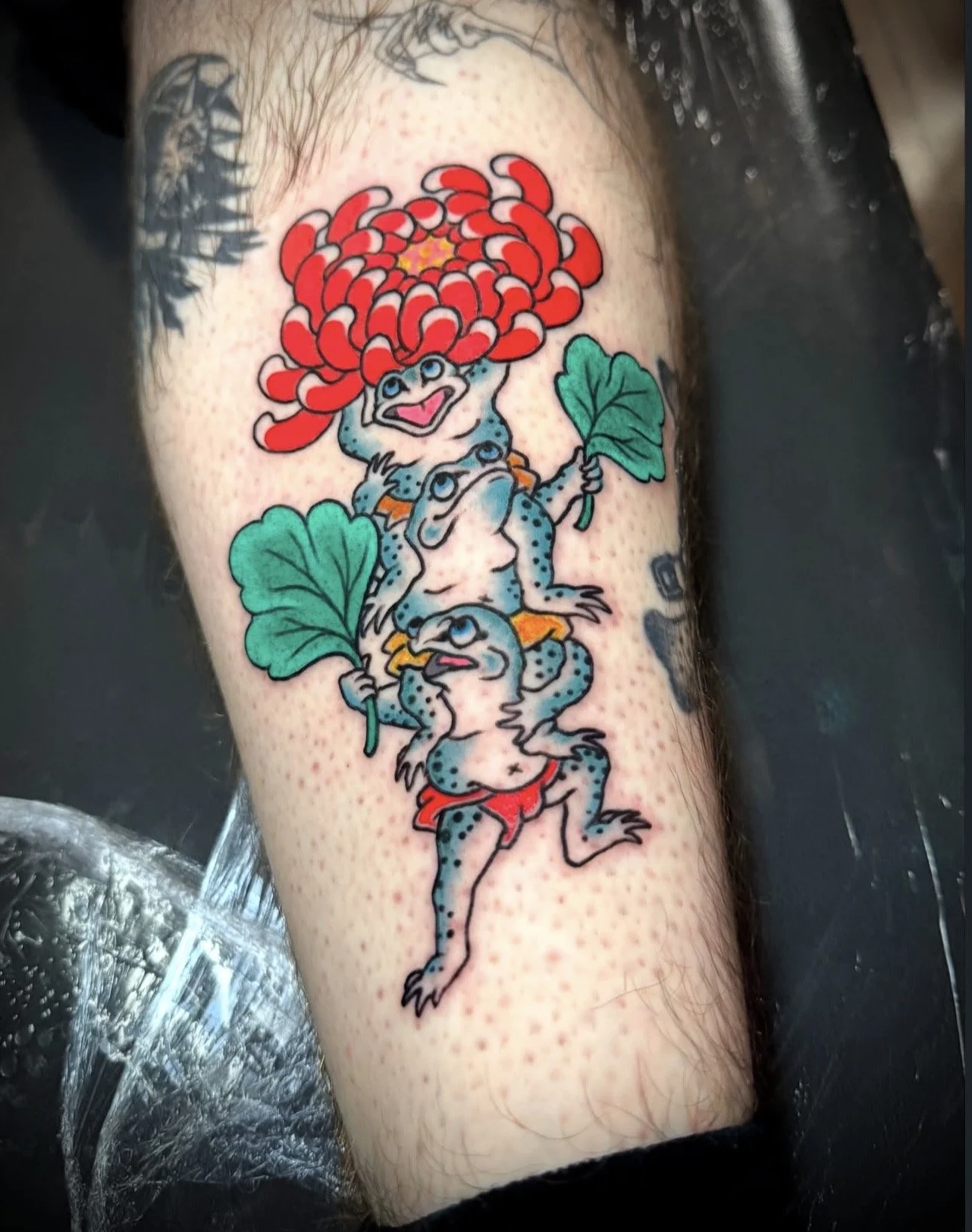
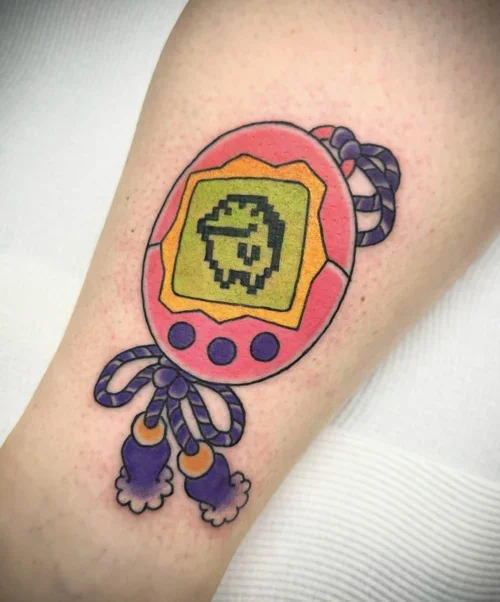
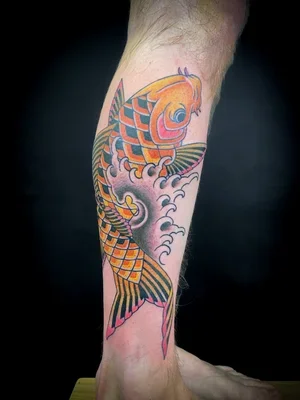
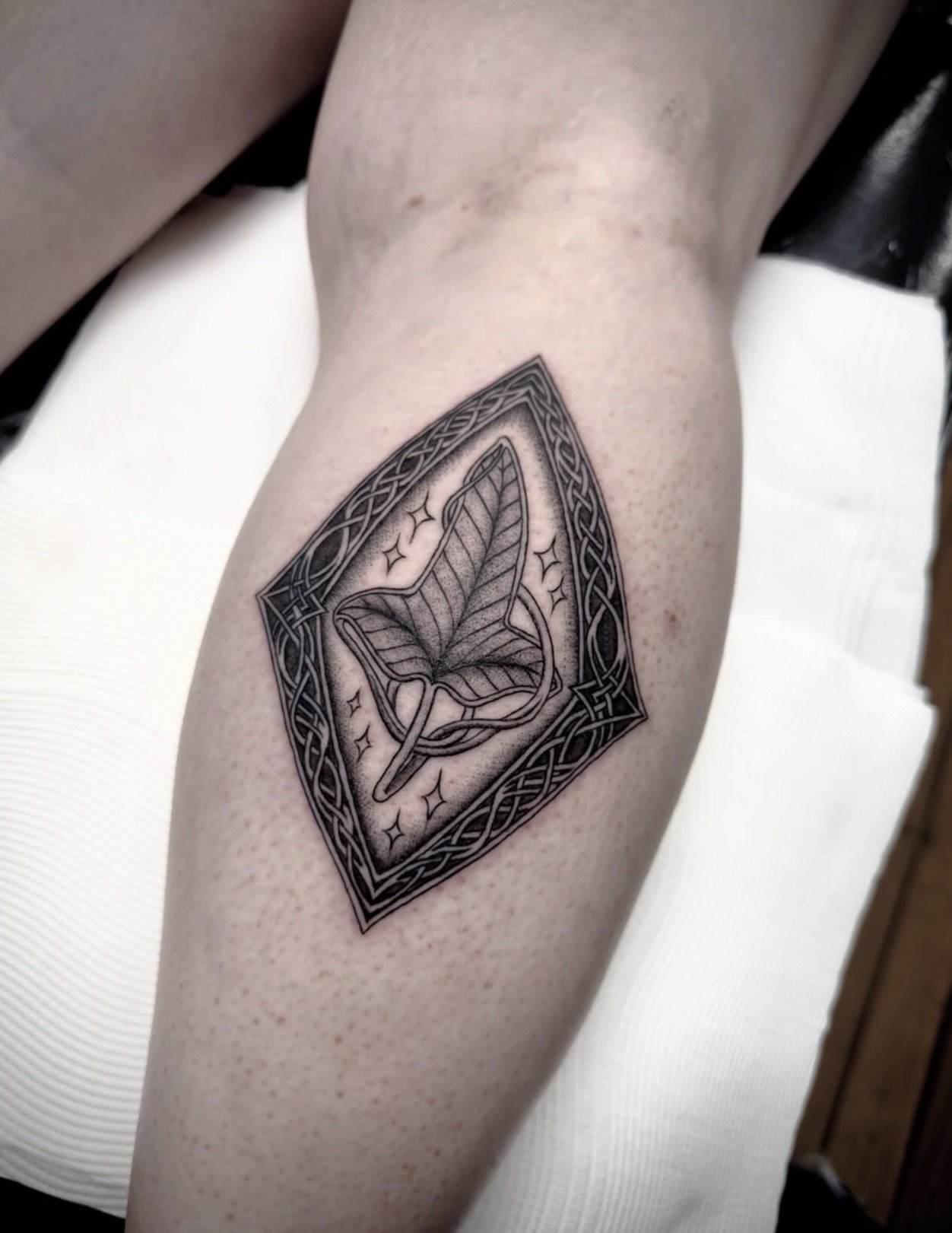
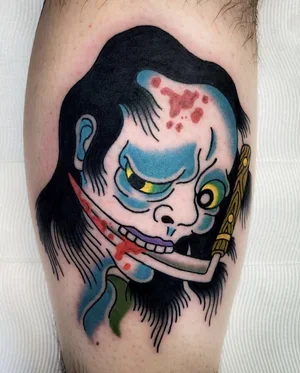
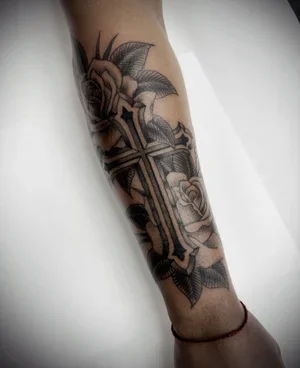
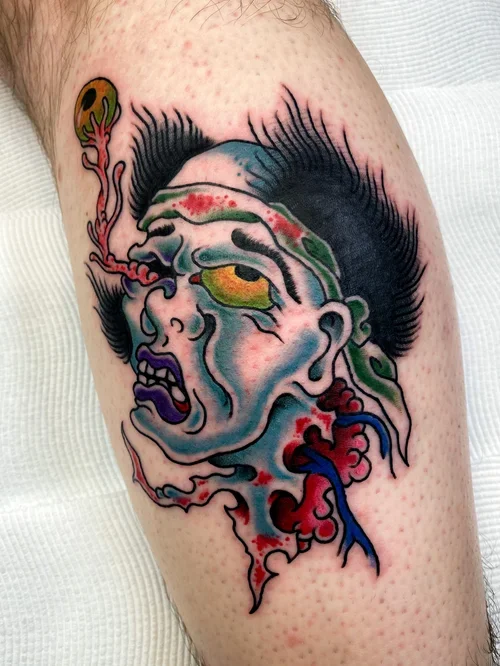
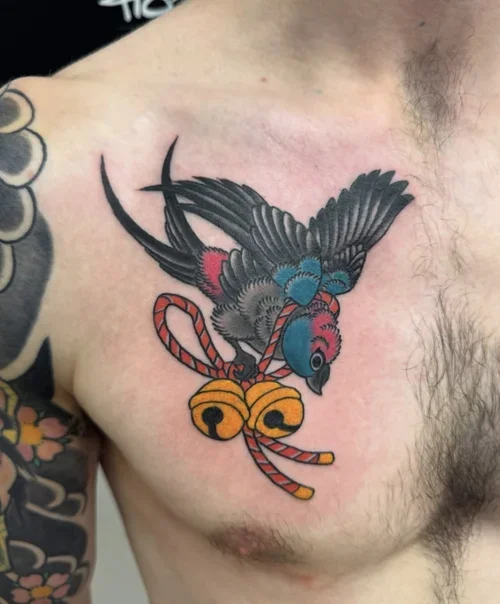
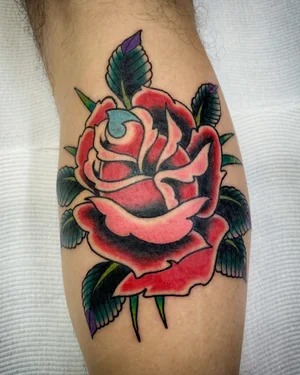
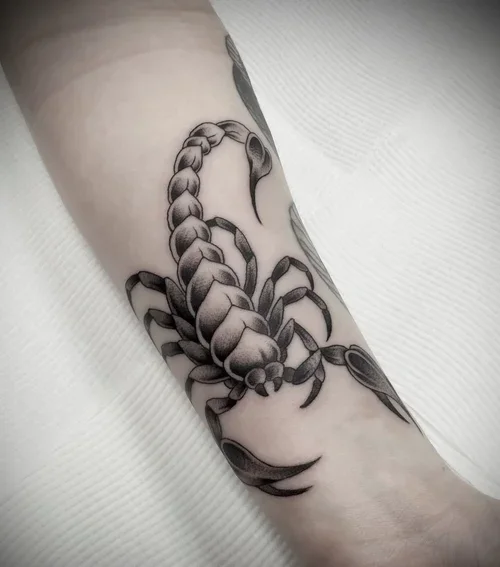
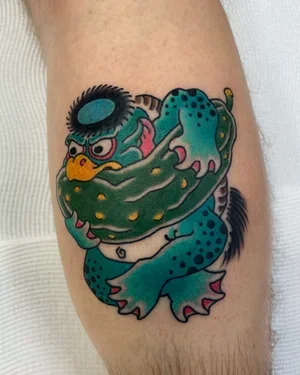
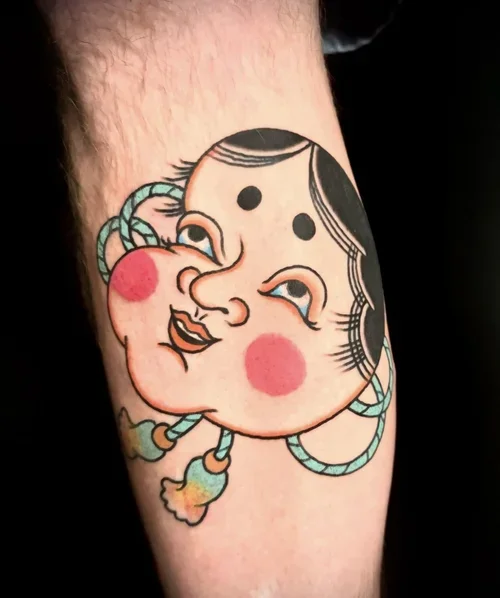
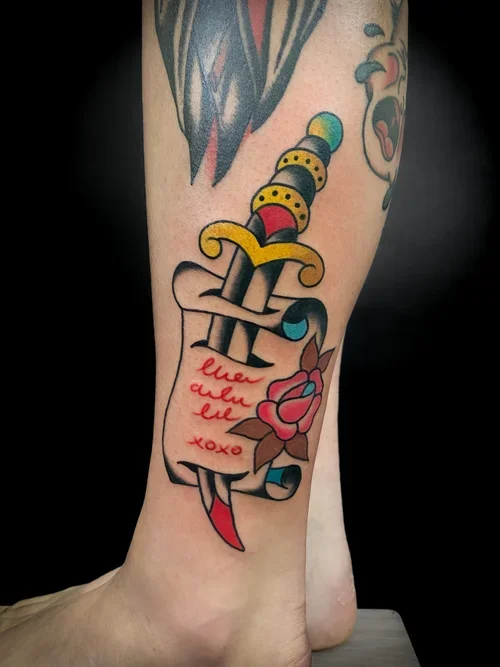
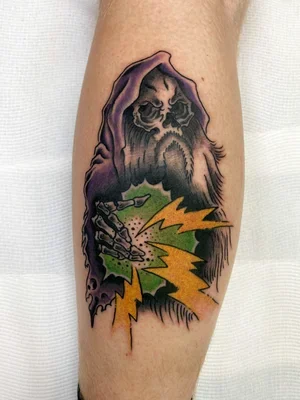
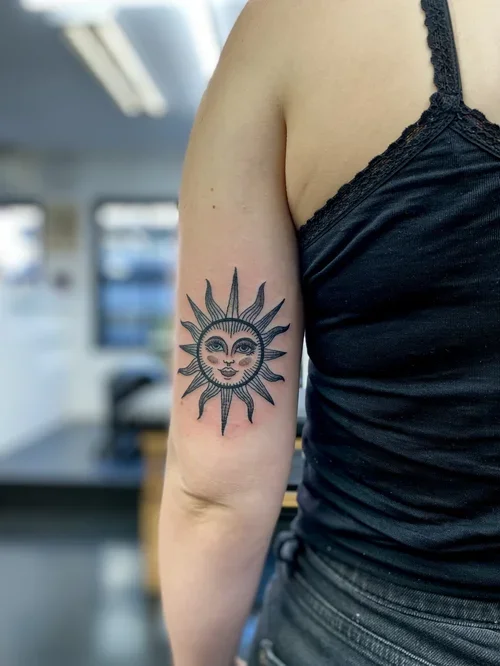
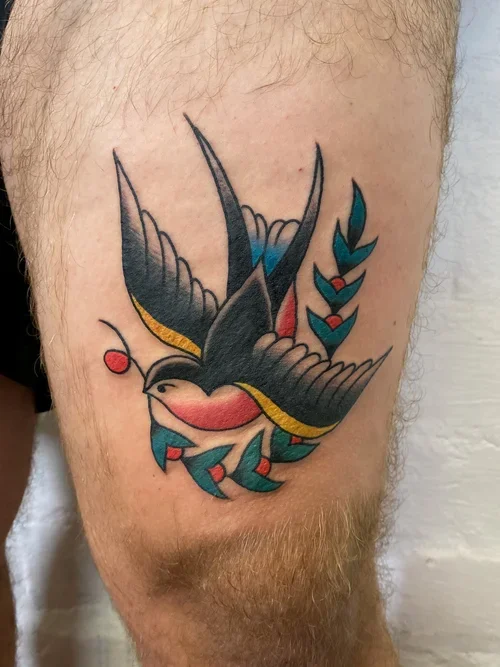
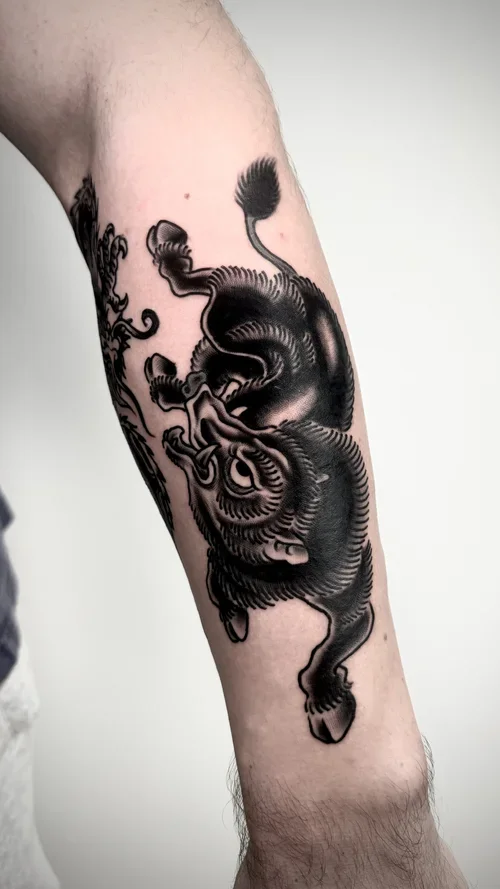
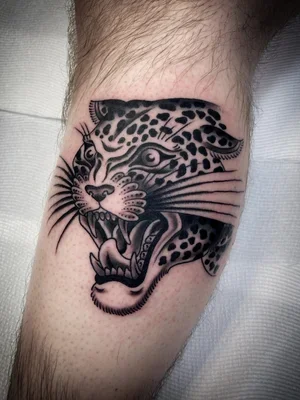
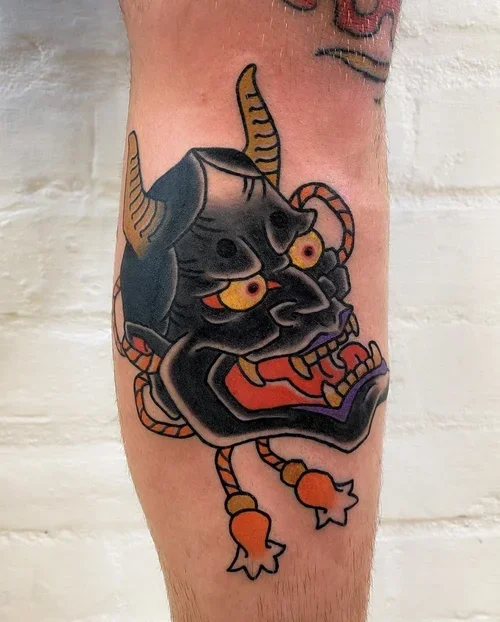
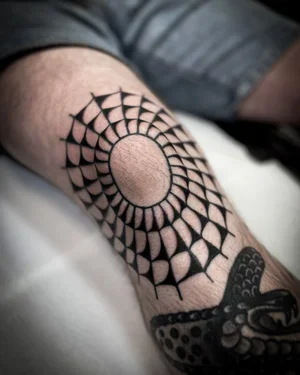
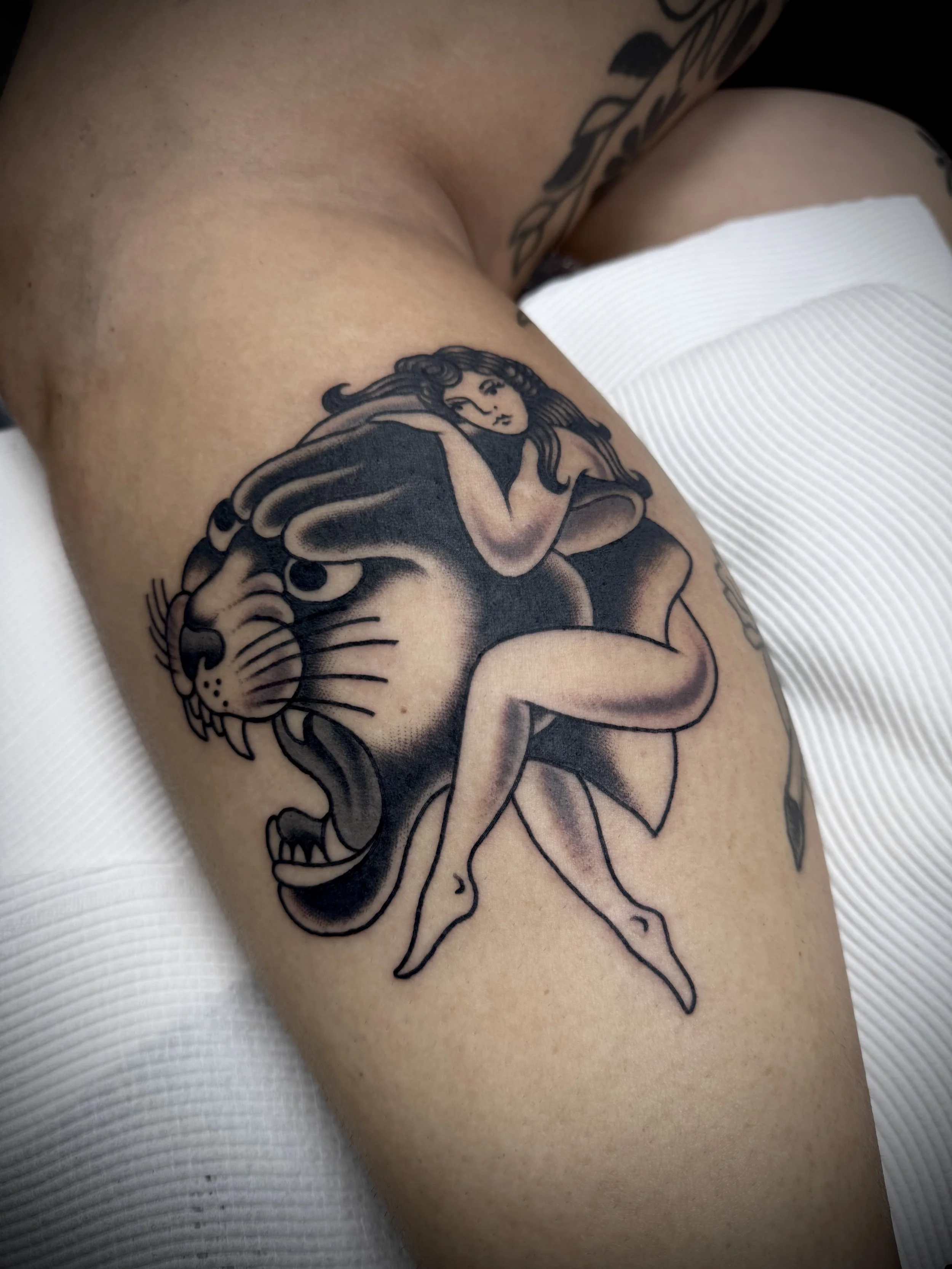
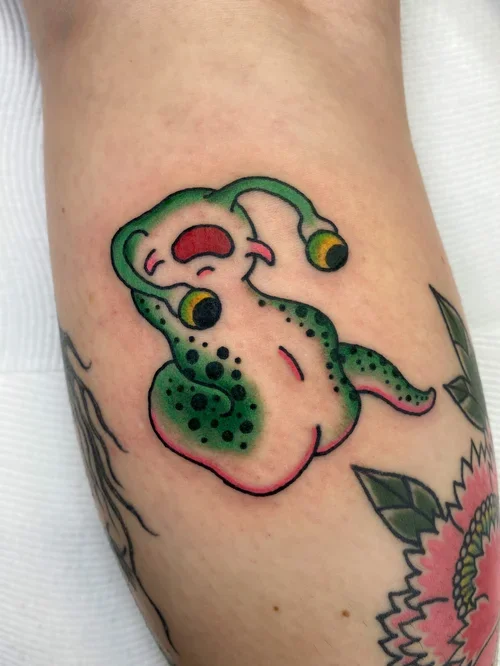
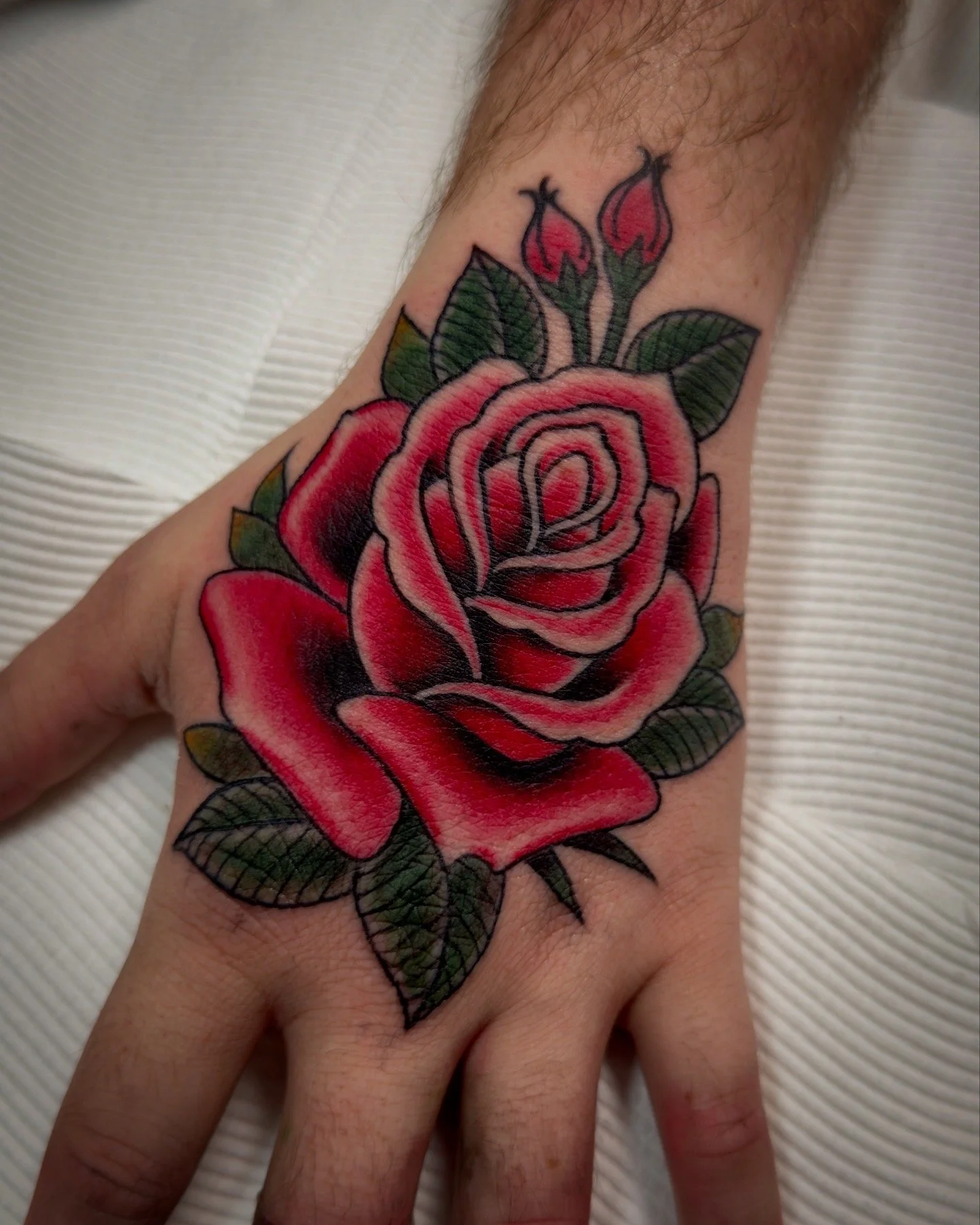
Gordy makes bold, graphic tattoos with a strong sense of movement and character. His work draws from traditional Japanese tattooing, American traditional and contemporary illustration, bringing those influences together through heavy linework, striking compositions and a confident use of colour and black.
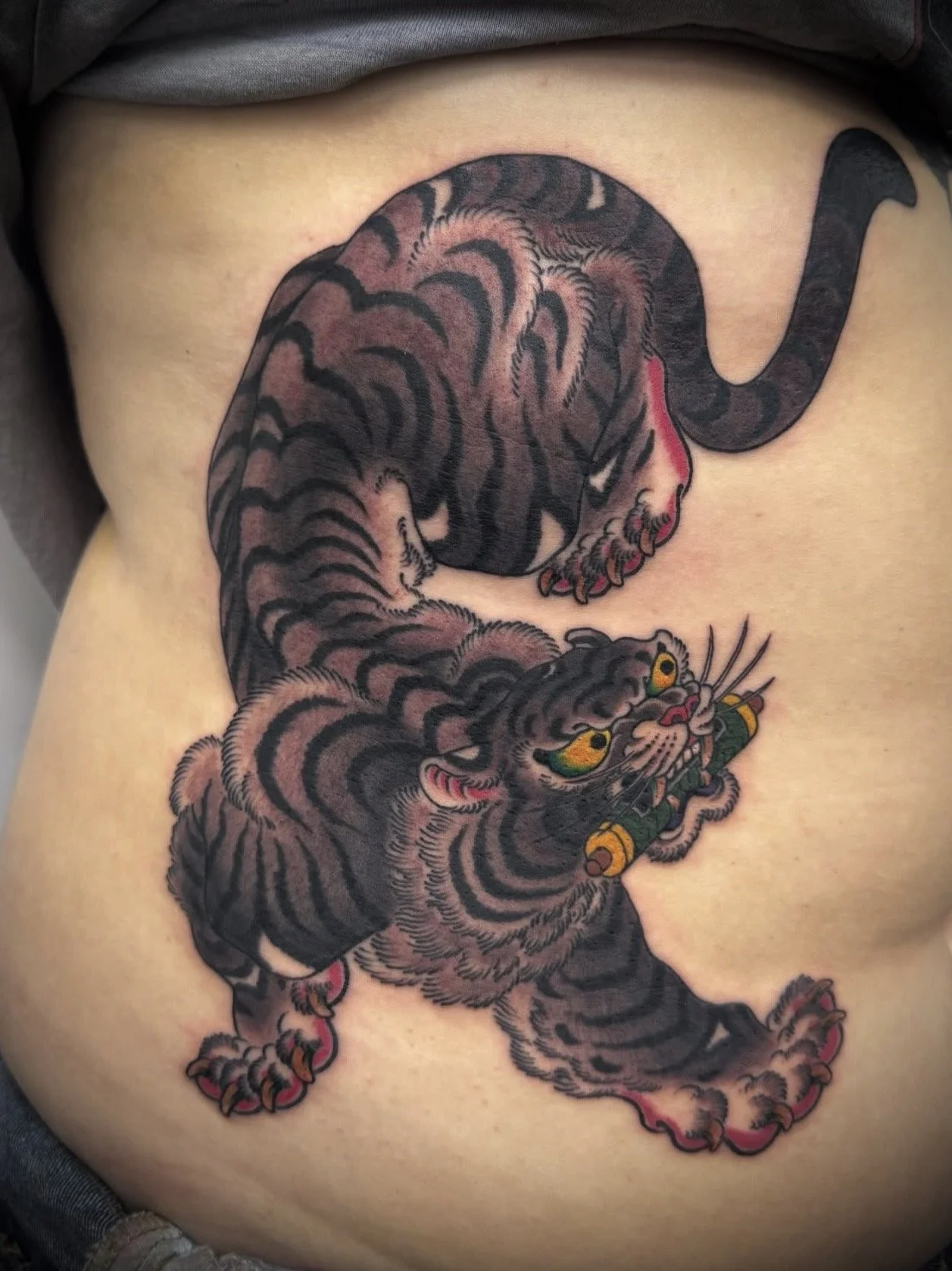
Animals, mythological figures, flowers and Japanese tattoo motifs are common starting points, but Gordy is less interested in simply repeating familiar imagery than in pushing it somewhere of his own. He exaggerates forms, twists proportions and builds compositions that feel alive on the body. Every piece is designed to have its own attitude, whether that comes through in the expression of an animal, the movement of a figure or the way a design wraps and holds its space.
Traditional tattooing gives Gordy a foundation, not a set of limits. He treats it as a visual language, something to study closely, pull apart and rework. Alongside tattooing, his influences include illustration, painting, street art and strange, expressive imagery with a strong graphic punch.
The result is work that sits between traditional and contemporary without settling neatly into either. It is bold, direct and built to last, but never generic. Gordy’s tattoos carry the weight of their influences while leaving room for the unexpected, an unusual gesture, an exaggerated shape or a detail that gives the whole piece its personality.
How did you get your start or become interested in tattooing?
I first became interested in tattoos through my uncle. I remember seeing his tattoos when I was younger and thinking they were fucking cool. He was a bit of a badass, and I think that was probably the first time I really associated tattoos with a certain attitude and identity.
Then, growing up, I was heavily into the punk and hardcore scene and skateboarding, where tattoos were just part of the culture. A lot of the people around me were tattooed, and I was always drawn to it. I was already obsessed with drawing, so tattooing felt like a pretty natural combination of the things I was into.
What drew you to the style that you specialise in?
I’ve been drawing and illustrating for as long as I can remember. I was always the kid at school who could draw, so moving into tattooing felt like a natural progression.
When I was growing up, American Traditional tattooing was hugely influential and initially sparked my interest in traditional tattoo design and Americana imagery. Later, through mentoring with TomTom at Sunset, I was introduced to Japanese tattooing and the depth, structure and history behind Japanese tattoo art.
Over time, those influences naturally merged into the style I tattoo today — combining the boldness and simplicity of traditional tattooing with the composition, movement and storytelling of Japanese tattooing, while bringing in a more illustrative approach. I’m particularly drawn to strong blackwork, bold linework, dynamic compositions and designs that work with the shape and movement of the body.
What's on your "one day I'll tattoo this" wish list?
A full-back Hannya and snake piece is definitely high on the list.
There’s something about a Japanese Hannya mask combined with a huge snake that gives you so much to work with. I’d love to create a full back piece where the Hannya becomes the focal point, with the snake wrapping and twisting through the composition and tying everything together.
A back is such a great canvas for Japanese tattooing because you can really push the scale and create something with a huge amount of movement. I’d want to go all-in on the composition — bold blackwork, strong traditional Japanese imagery, dramatic movement and plenty of detail in the snake scales and Hannya features. It’s the kind of tattoo where the bigger and more ambitious the project, the better you.
Do you have a favourite subject matter to tattoo?
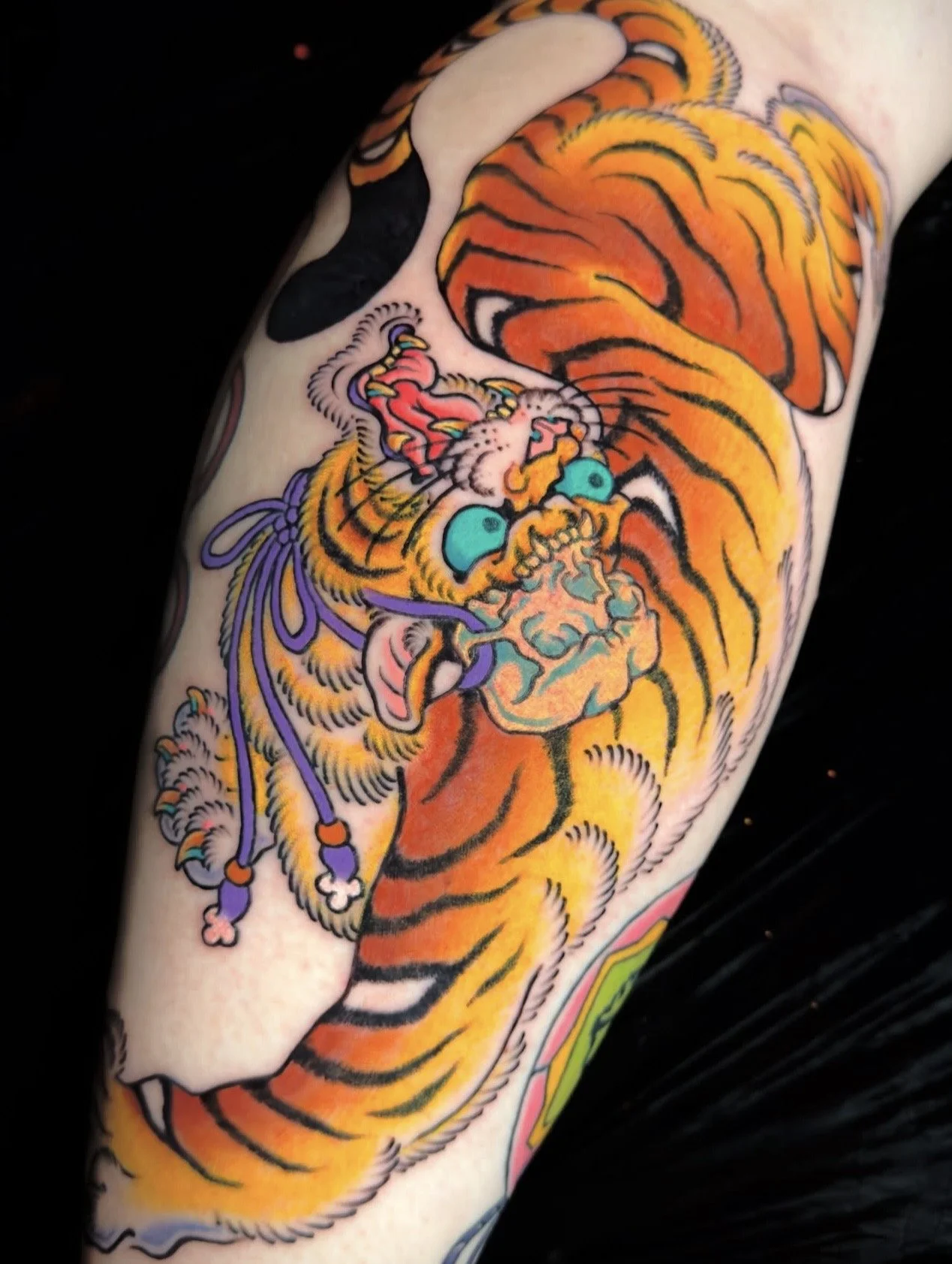
I absolutely love tattooing tigers. They’re incredibly fun because you can really push the expression, movement and attitude. I love taking a tiger and making it feel aggressive and powerful through the facial expression, body position and overall composition.
Snakes are another favourite. There’s so much technical detail involved in tattooing them, particularly when you’re trying to get the scales looking sharp while keeping the design readable as it ages. I also love the way snakes can twist and wrap around the body, creating natural movement through a tattoo and connecting different elements of a larger Japanese or illustrative composition.
What do you get up to when you're not tattooing?
I try to stay pretty active. I’m at the gym or working out most days, which has become a really important part of my routine.
Tattooing and painting both involve sitting for long periods of time, and that can definitely take a toll on your body. Looking after yourself physically makes a huge difference, especially when tattooing is such a demanding and detail-focused job.
It helps mentally too. Artists can be pretty moody and dramatic people at the best of times, so getting out, moving your body and getting that serotonin boost is a good way to reset. I find that staying active helps me stay positive, focused and creative when I’m back in the studio.