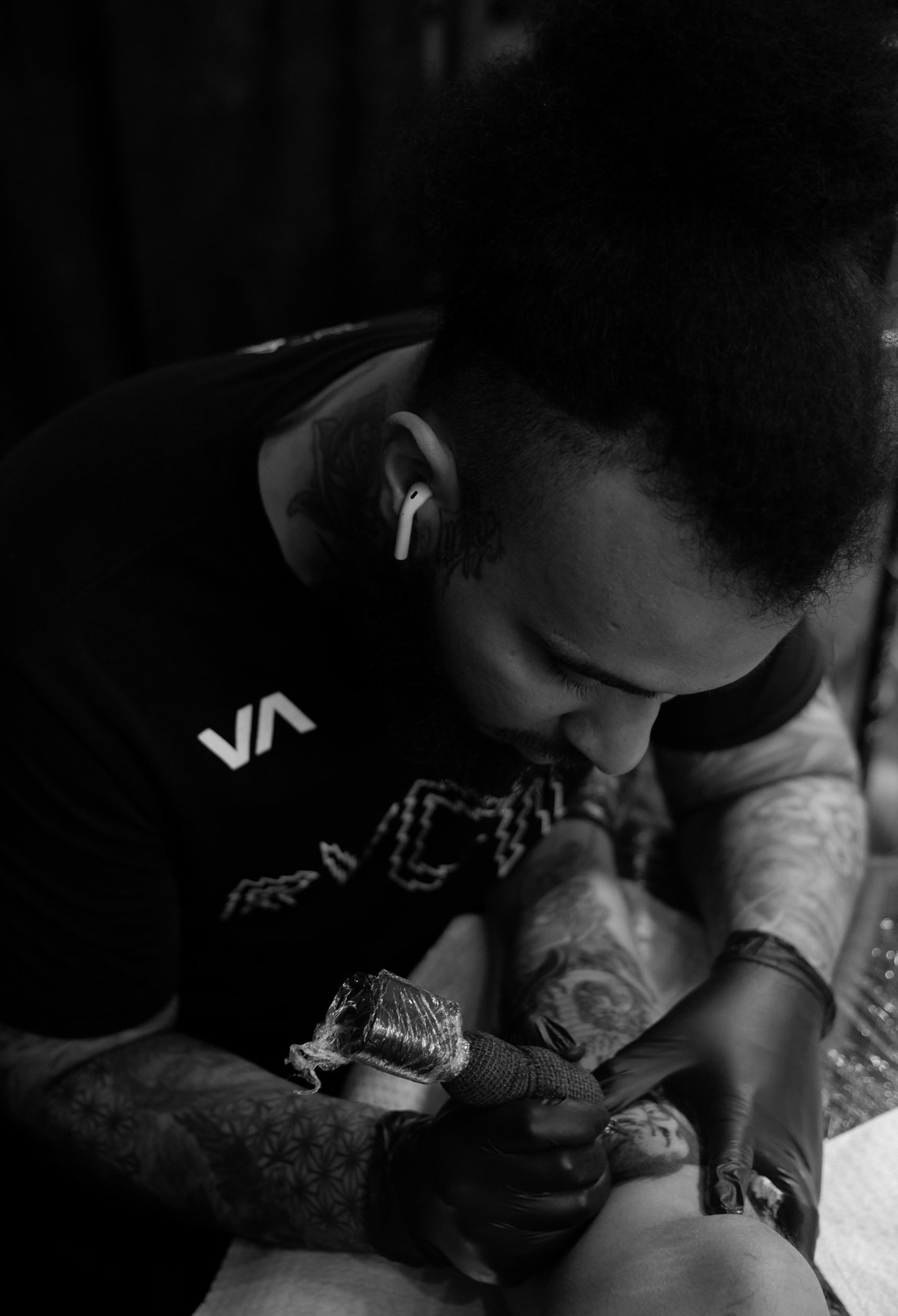
Carpe
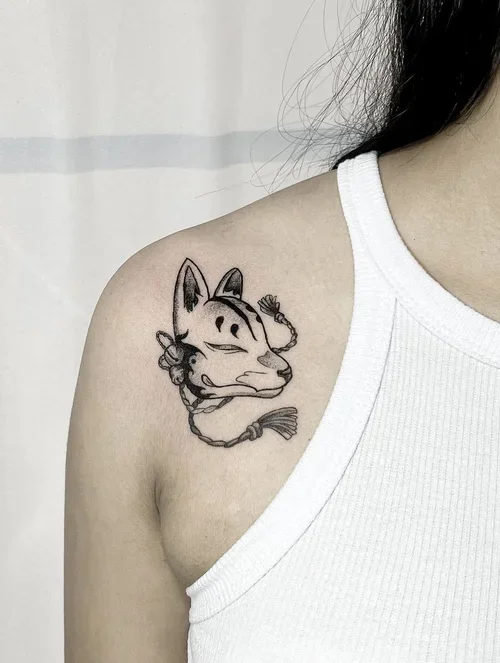
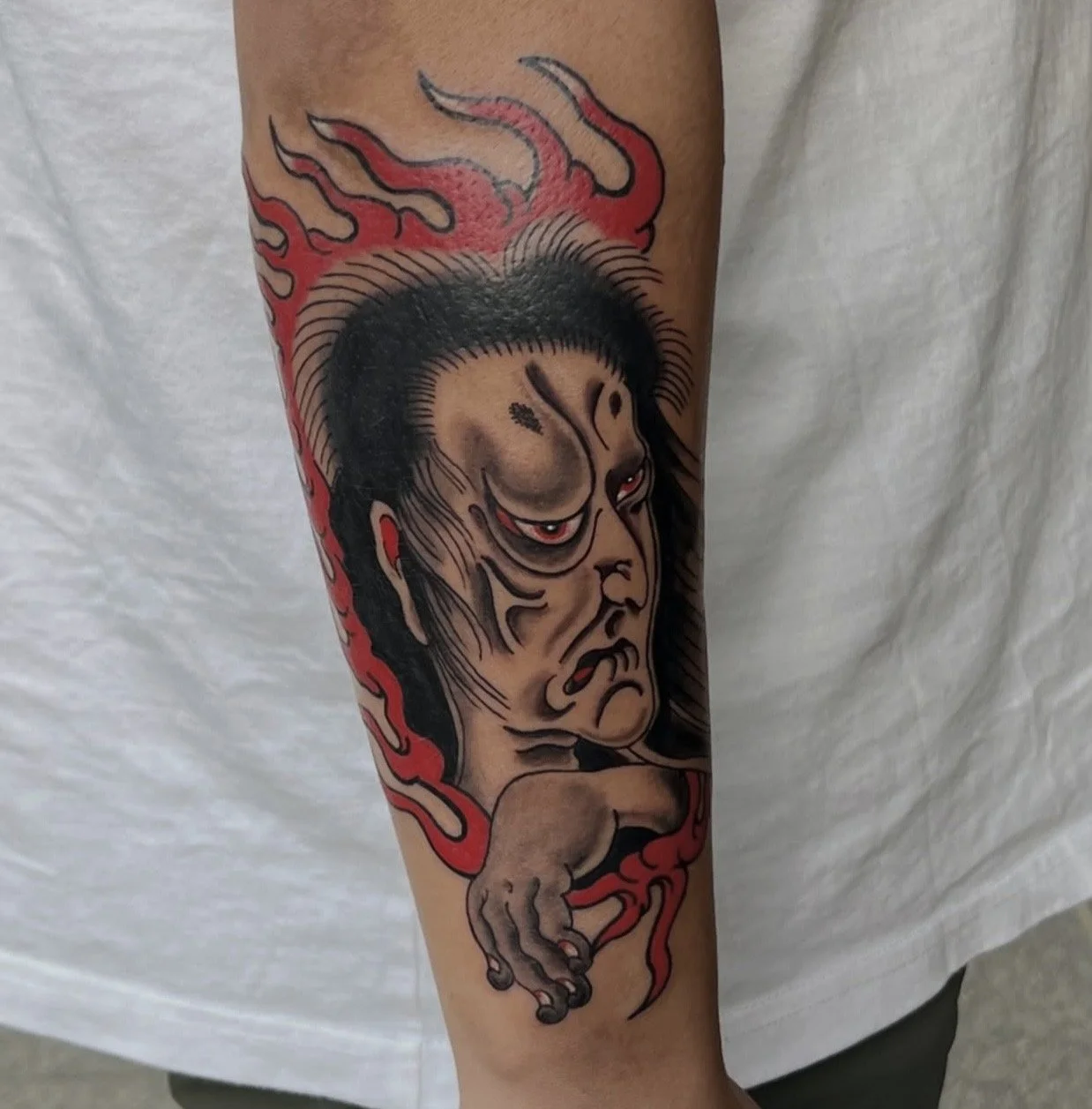
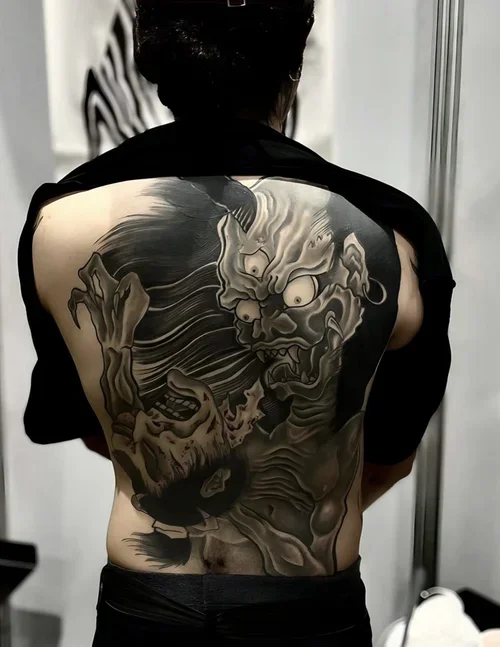
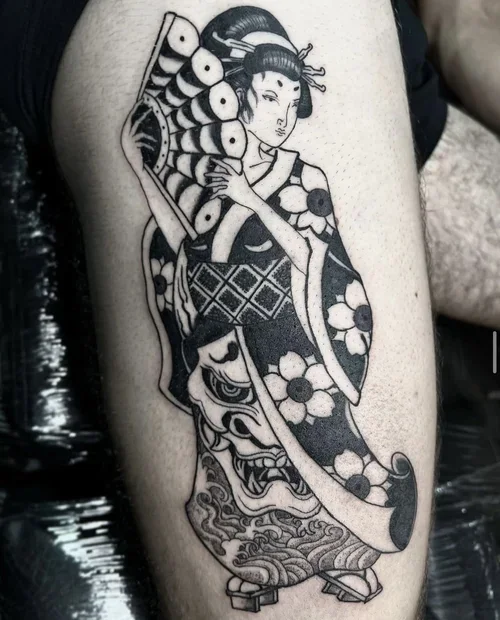
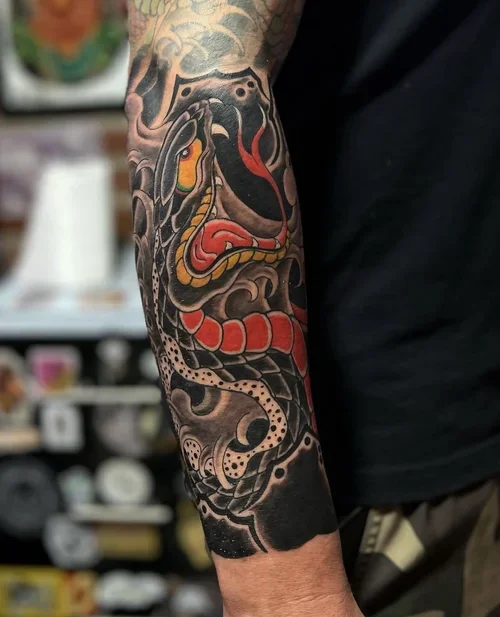
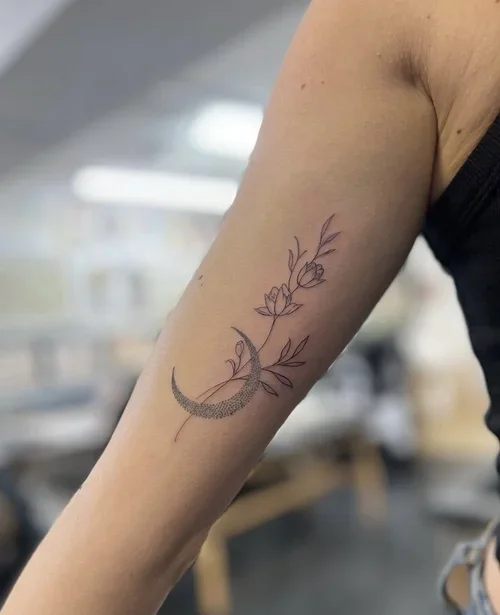
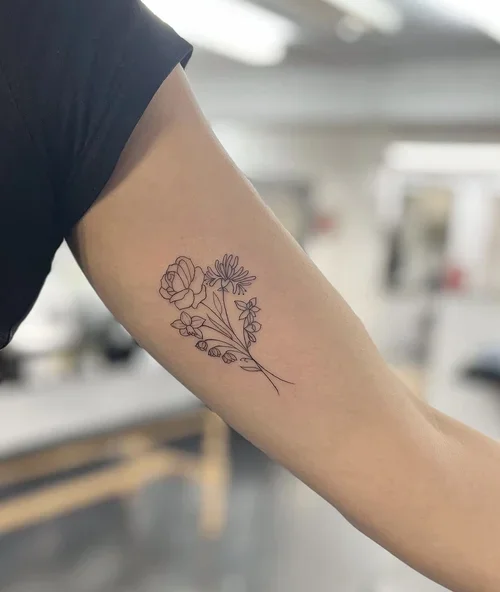
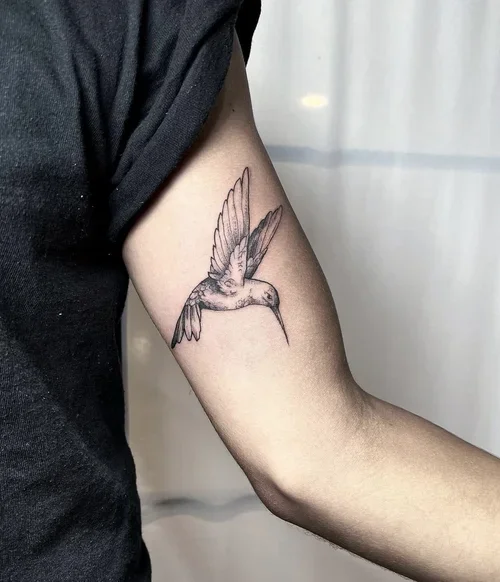
Japanese, Fine Line, Traditional
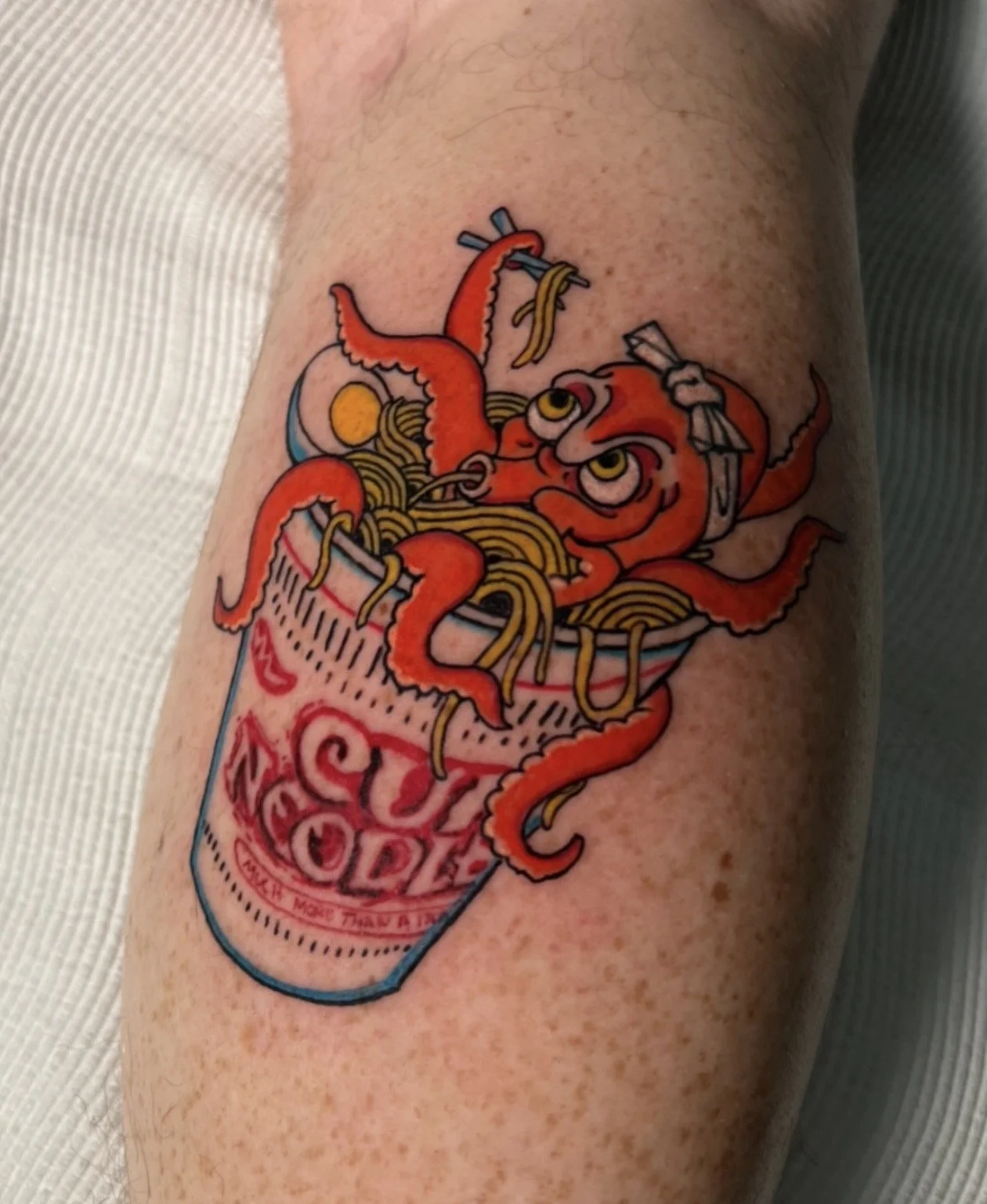
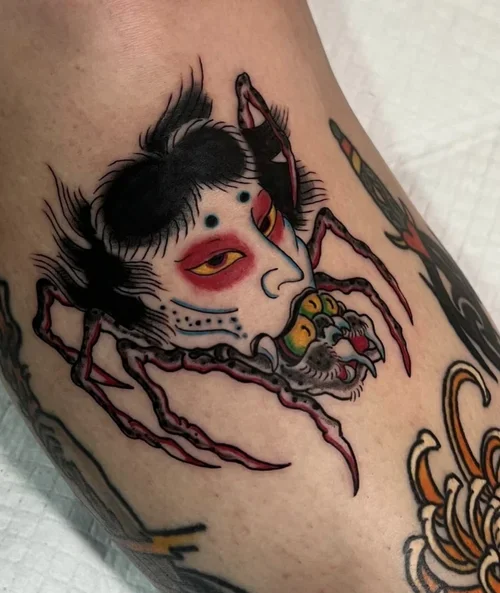
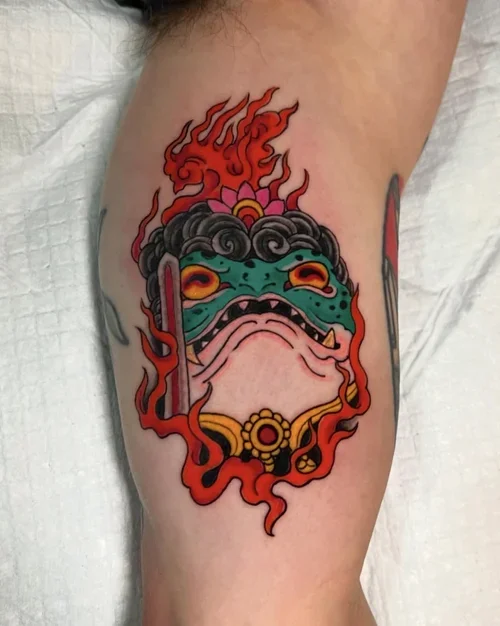
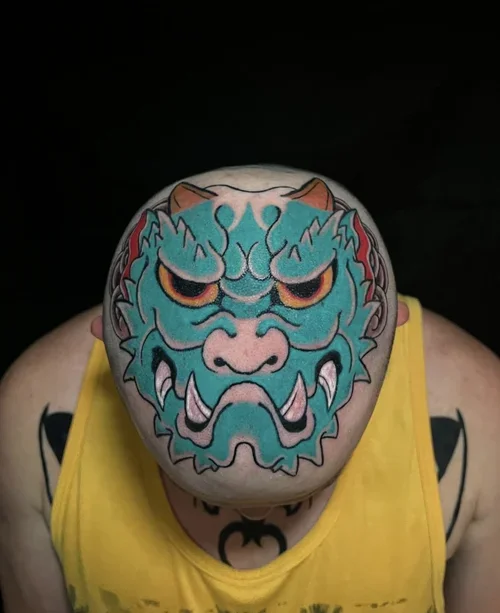
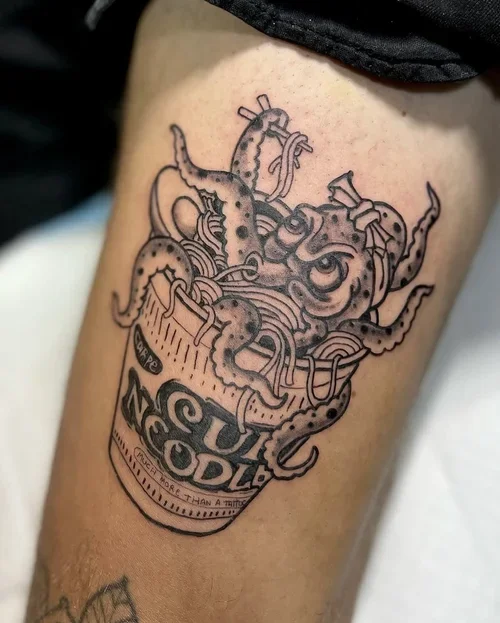
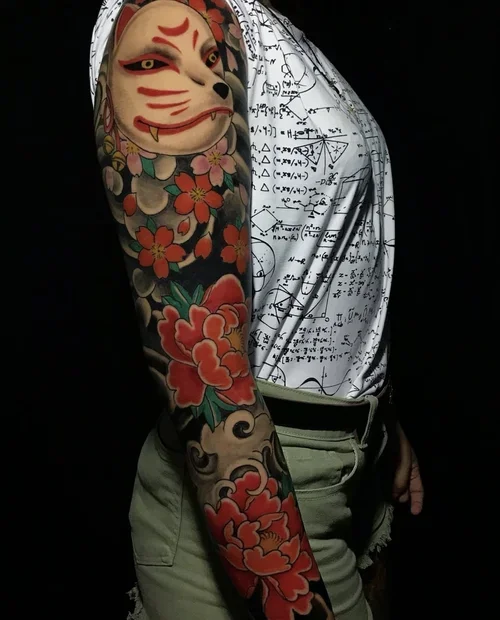
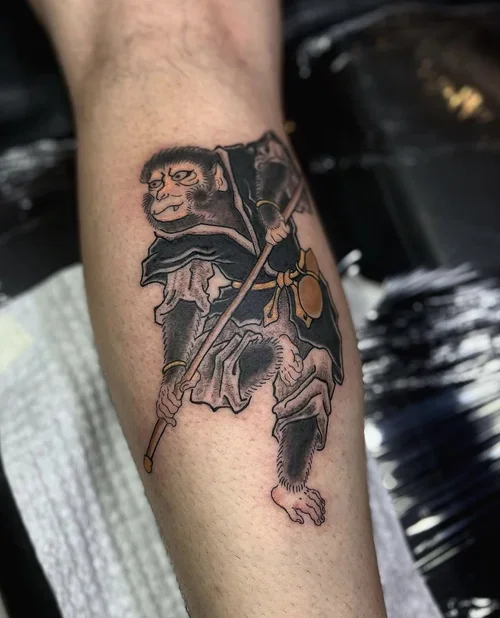
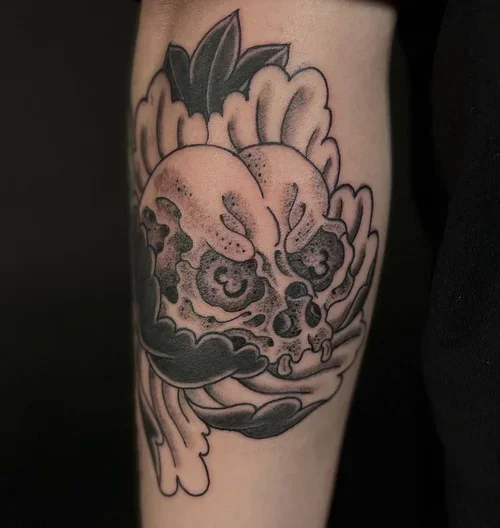
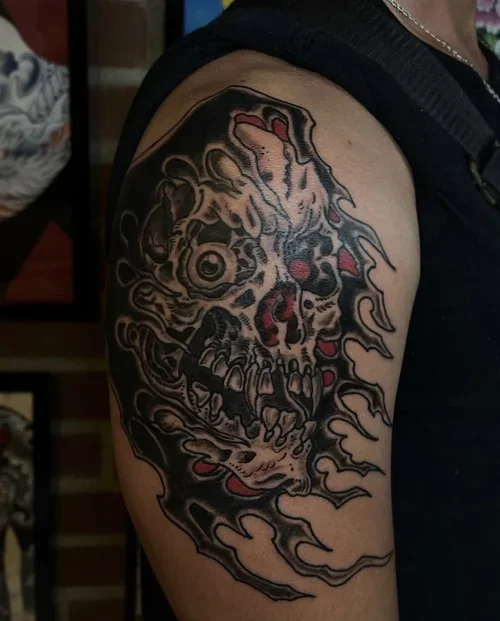
Carpe is a tattoo artist with over 17 years of experience, shaped by a lifelong commitment to drawing, travel and tattooing across the world. His practice spans Japanese and traditional tattooing, fine line, black and grey, always focussed on creating strong, timeless work. His career has taken him through studios across the Americas and Europe, where he has learned from diverse tattoo cultures, artists and approaches. Now based at Sunset Tattoo in Auckland, Carpe brings these influences together in an evolving practice, taking on both large-scale projects and individual tattoos. His work reflects a broad perspective, technical versatility and a dedication to throughout, powerful tattooing.
How did you get your start or become interested in tattooing?
My interest in tattooing started at a very young age. I grew up around a picture-framing workshop in Cartagena, Colombia, where I was fortunate enough to be exposed to art from an early age. I learned to paint using different techniques, spent a lot of time drawing, and became completely obsessed with making images. Looking back, becoming a tattoo artist felt like a natural extension of that.
Even as a kid, I was constantly drawing what I imagined tattoos could look like on my cousins and classmates. When I was around 13 years old, I walked into one of the few tattoo studios that existed in my hometown at the time carrying a portfolio full of my drawings. I had no idea that bringing a portfolio into a tattoo shop was essentially the traditional way of asking for an apprenticeship I simply asked them if they could teach me how to tattoo.
That became the beginning of a very traditional tattoo apprenticeship. I learned inside the tattoo shop, surrounded by the machines, needles, books, flash and everything that came with tattoo culture at that time. Tattooing was very different then, especially growing up in a conservative and strongly religious country. Part of what attracted me to tattooing was the underground culture surrounding it and the feeling that tattoo artists and tattooed people existed slightly outside of the established rules.
There was something incredibly powerful to me about taking an image that would normally exist only on paper or canvas and putting it permanently onto another person. Someone trusting me enough to carry one of my drawings on their body for the rest of their life completely changed the way I thought about art.
I was also fascinated by the physical and almost primitive side of tattooing. The buzzing machines, the needles, pain and the direct connection between the artist, the client and the image. It felt raw and instinctive, but at the same time completely natural to me.
From very early on, I knew tattooing was what I wanted to dedicate my life to and the only thing I ever done. Since beginning my tattoo career in I’ve been fortunate enough to travel, work and live in different countries, meet and learn from tattoo artists with completely different backgrounds and approaches, and continuously expose myself to new styles and traditions.
That constant evolution is still one of the things I value most about tattooing. Even after all these years, I still approach it with the same curiosity I had when I first walked into that tattoo studio with a folder full of drawings. Today, as a tattoo artist based in Auckland, New Zealand, I’m still constantly drawing, studying and pushing myself to become a better artist.
What drew you to the style that you specialise in?
I’ve never really liked describing myself as a “specialist” in one particular style of tattooing. I think that term has become very common in recent years, especially with artists who decide very early on that they only want to work within one specific style. My own experience with tattooing has been very different.
I came from a more traditional apprenticeship and spent many years working in busy tattoo studios with a strong walk-in culture. Because of that, I always felt it was important to learn how to approach many different types of tattoos rather than limiting myself to one visual language.
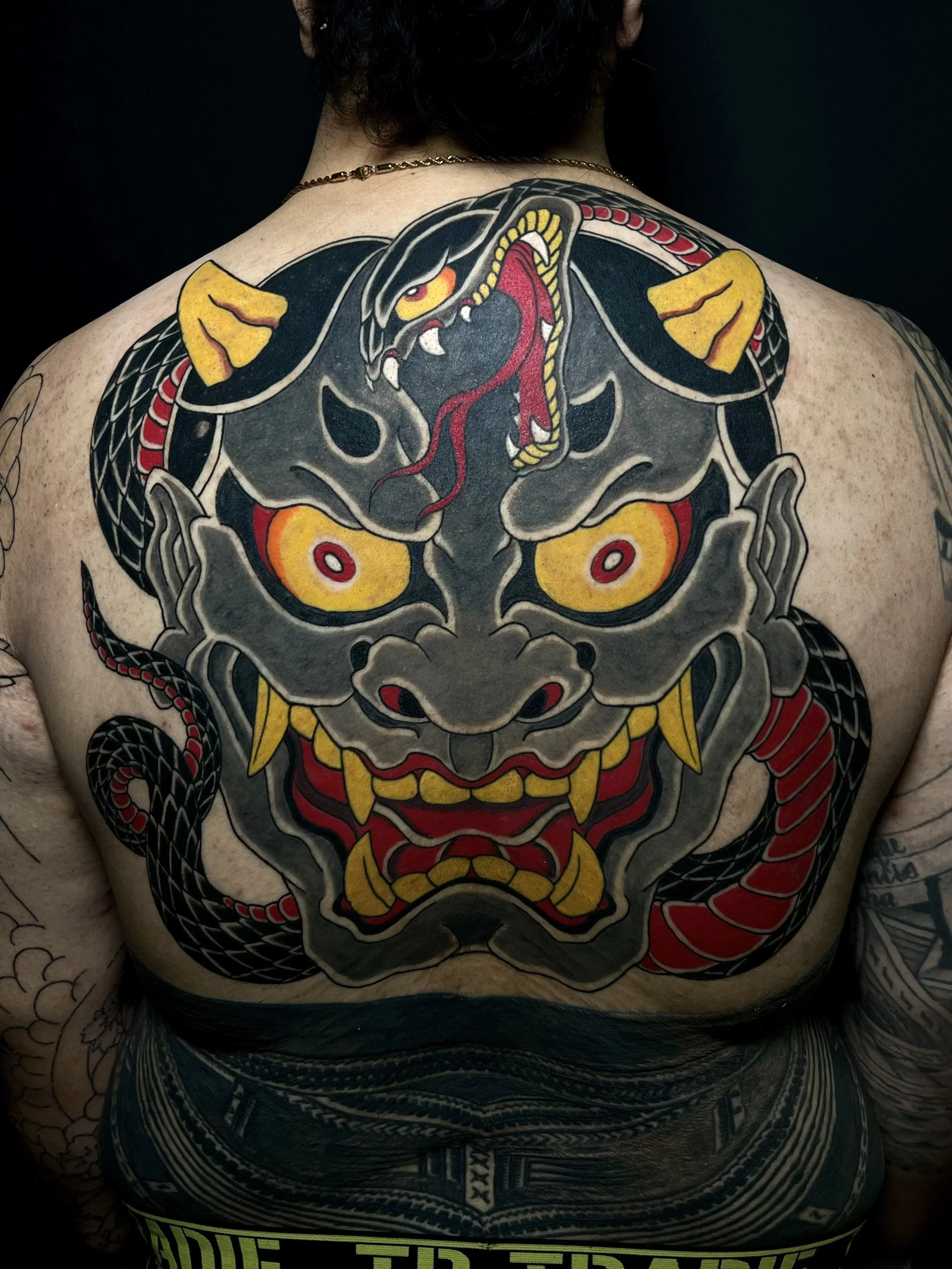
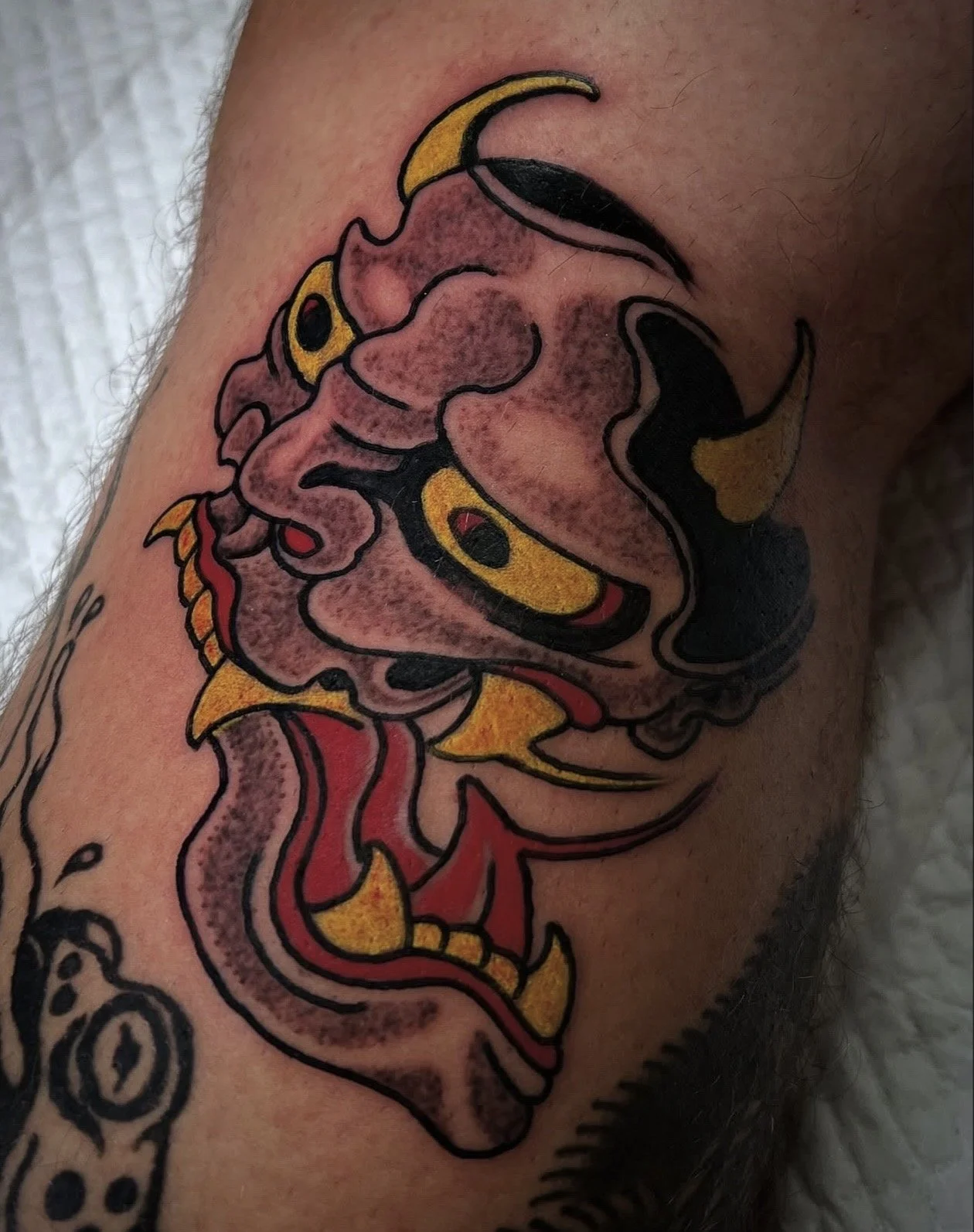
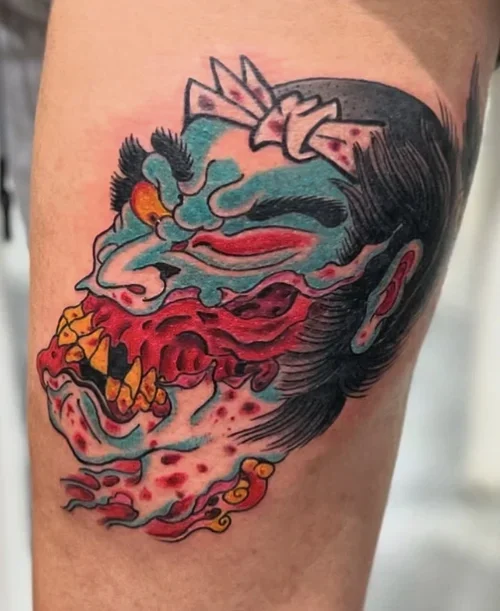
If I had to describe my current approach, I would say that my tattooing is rooted in traditional tattoo values, with a strong influence from Japanese and other Eastern tattoo traditions.
Japanese tattooing has always had a very close relationship with Western traditional tattooing, and those two worlds have interested me since the beginning of my career. I was already drawing Japanese-inspired imagery when I first started tattooing, but over time I became increasingly interested in understanding the composition, history and structure behind larger-scale Japanese tattoo work.
After spending a couple of years living in Europe, I had the opportunity to see large-scale tattooing much more closely and being exposed to that level of work, and working alongside tattooers who had dedicated many years to studying tattooing, pushed me to go much deeper into Japanese tattoo composition and large-scale bodywork.
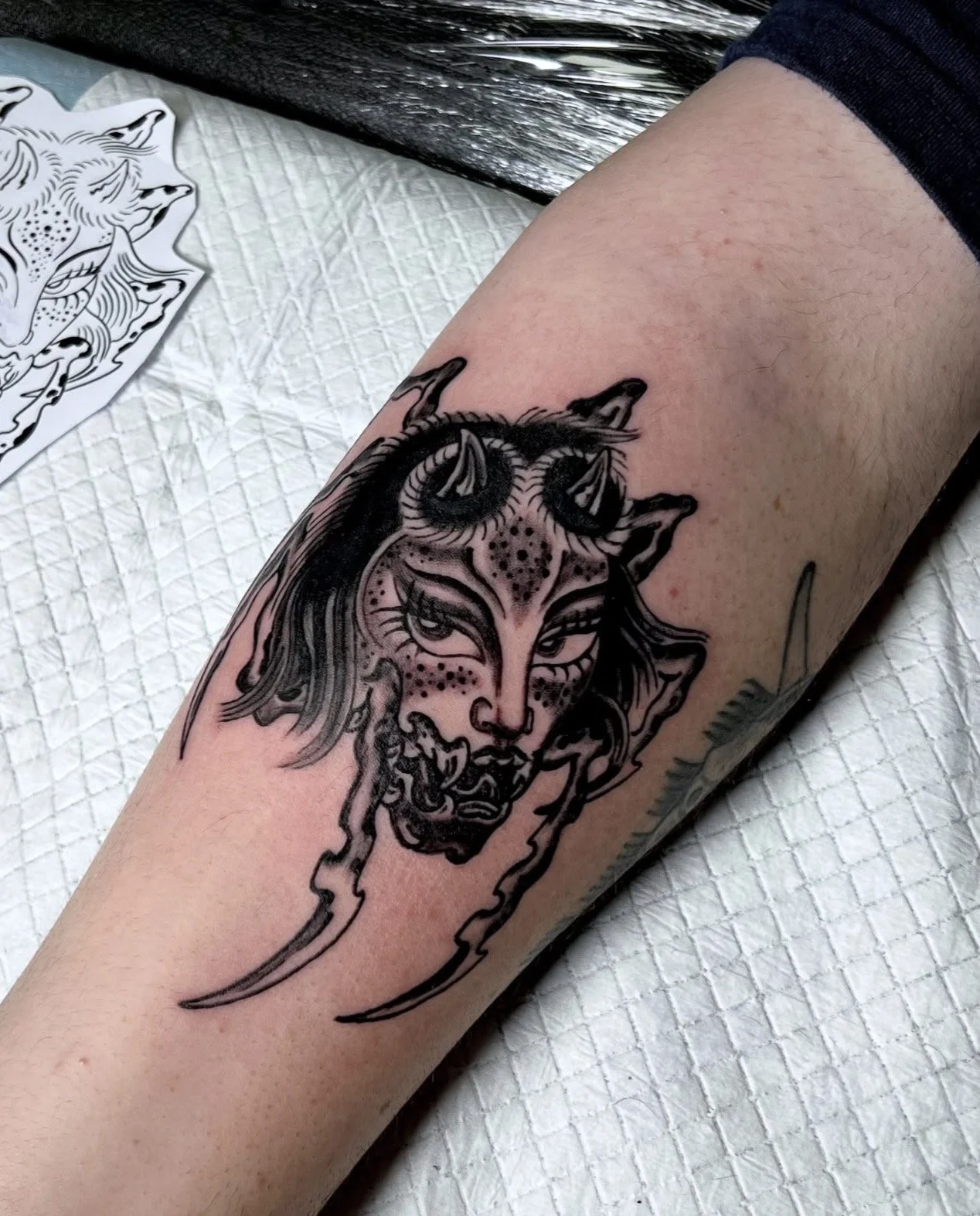
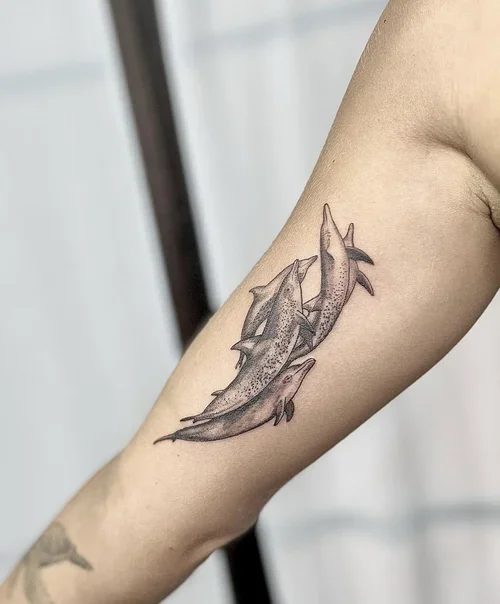
At the same time, my background has always been very broad. Coming from Latin America, I spent a lot of time working with black and grey because it was such a dominant style there. I became very comfortable working with black and grey tattoos, tonal transitions and different approaches to shading.
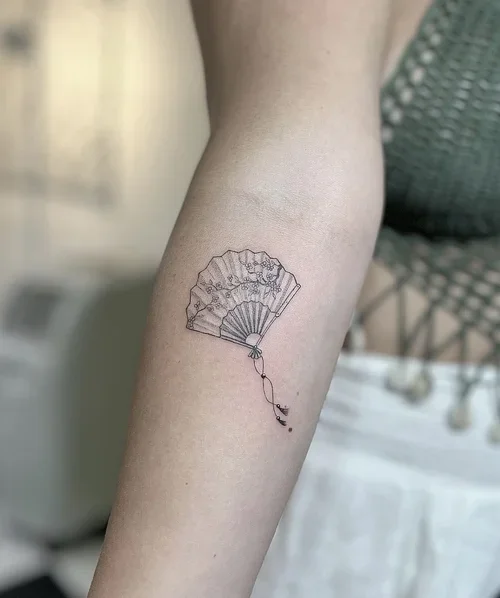
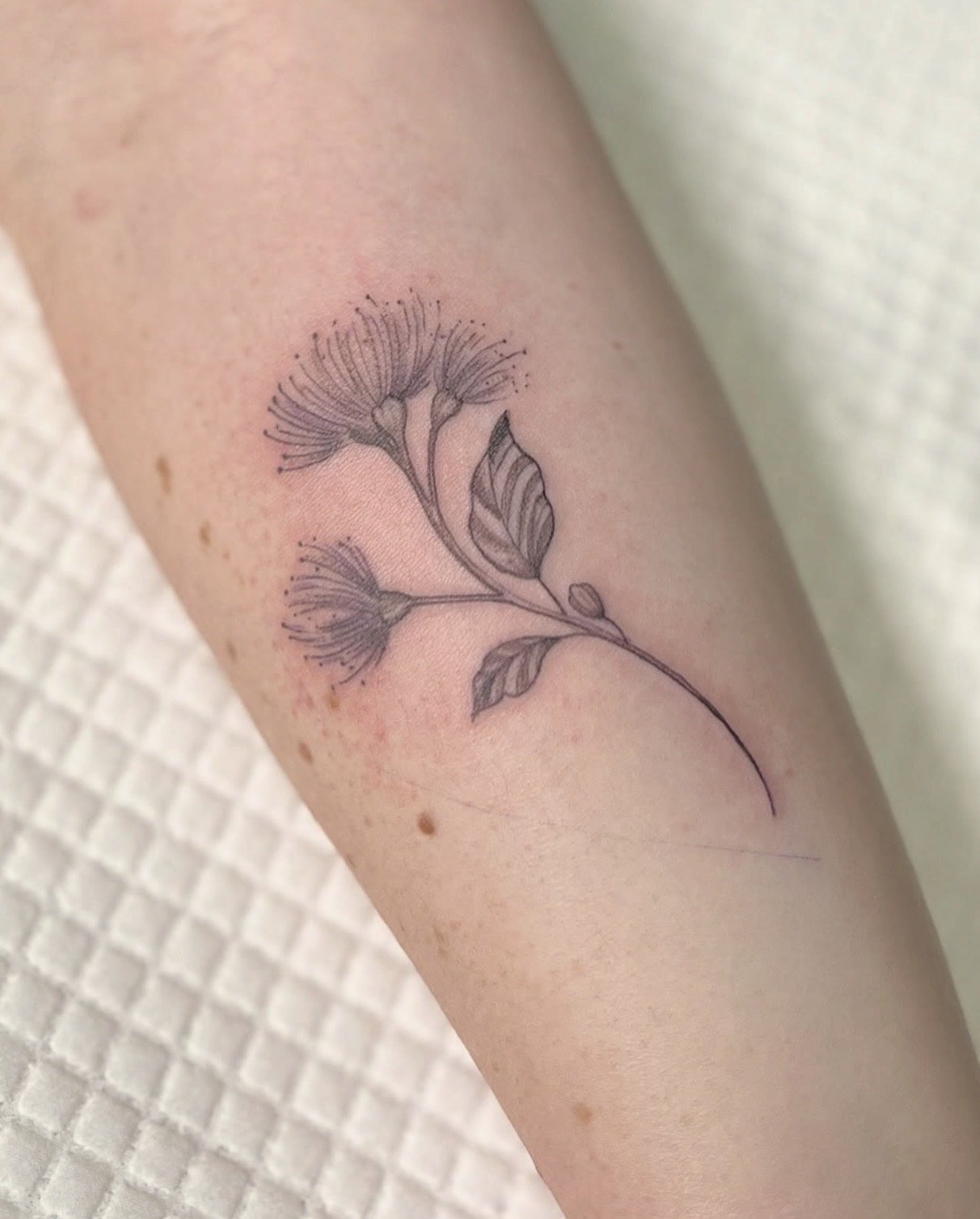
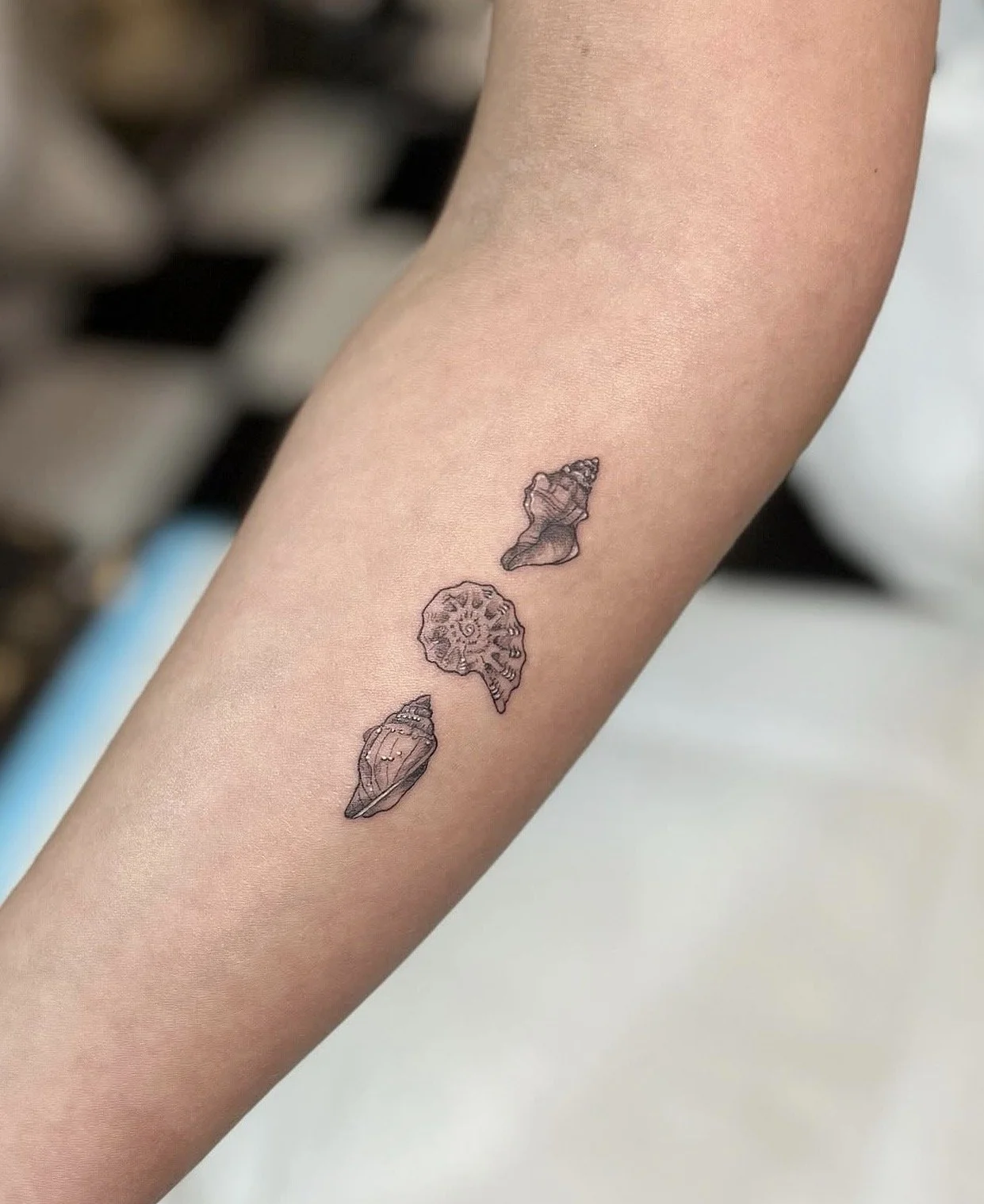
Working for so many years in walk-in tattoo studios also gave me a lot of experience with small tattoos(aka fineline), lettering and simpler designs. Many clients would come in wanting something small, delicate and meaningful that could be tattooed in a relatively short amount of time. Learning to execute those tattoos cleanly and respectfully became just as important to me as learning how to approach a full backpiece or a large japanese sleeve.
If there is one thing I could say I have tried to “specialise” in, it is studying as much about tattooing as possible.
I’ve always wanted to understand different styles, techniques and traditions so I can combine that knowledge and continue evolving. That means constantly studying drawing, anatomy, placement, composition, tattoo history, machines, needles, inks and anything else that can help me improve the final result.
Whether I am working on a full Japanese backpiece, a sleeve, a black and grey tattoo, a fine line piece or something as simple as a single word, I try to approach it with the same level of interest and respect. For me, the scale of the tattoo does not determine its importance. Someone is still trusting me to permanently put something on their body, and I want to give them the best tattoo I can.
That is also one of the reasons I have become increasingly drawn toward Japanese tattooing. I love tattoos that work with the anatomy of the person rather than simply sitting on top of the body. I enjoy thinking about movement, flow and how a design can become part of somebody’s silhouette and personality.
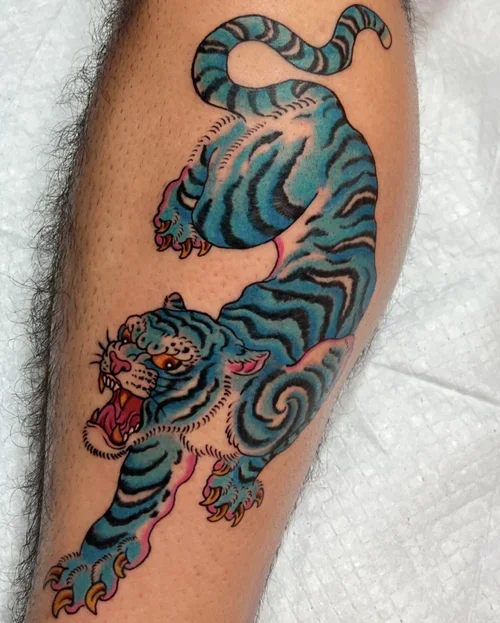
The history and symbolism behind traditional tattoo imagery are equally important to me. I’ve always been fascinated by understanding why certain images have been tattooed for generations whether that is an eagle or swallow in Western traditional tattooing, or a koi fish, Japanese dragon, foo dog with peonies, or tiger with bamboo in Japanese tattooing.
My work today is ultimately the result of that constant desire to learn. Rather than trying to fit inside one specific category, I want every tattoo I make to benefit from everything I have learned throughout my career, while continuing to develop my focus on Japanese-inspired, traditional and large-scale tattooing here in Auckland.
What's on your "one day I'll tattoo this" wish list?
One of the biggest things on my tattoo wish list would be the opportunity to plan and tattoo a full bodysuit from scratch.
I’ve been tattooing since 2009, so after 17 years of constantly learning, drawing, studying composition and working across different styles, I think starting a full body tattoo project from the very beginning would be an incredible way to put everything I’ve learned into one complete piece.
What interests me most about a project like that is the planning. I’d love to think about the body as one complete composition from the beginning. How every section connects, how the imagery flows with the anatomy, how the negative space is used and how the tattoo develops over time. Whether it was a more traditional Japanese bodysuit or a body covered in individual traditional-style pieces that were carefully planned to work together, I’d love the opportunity to create a strong visual language across the entire body.
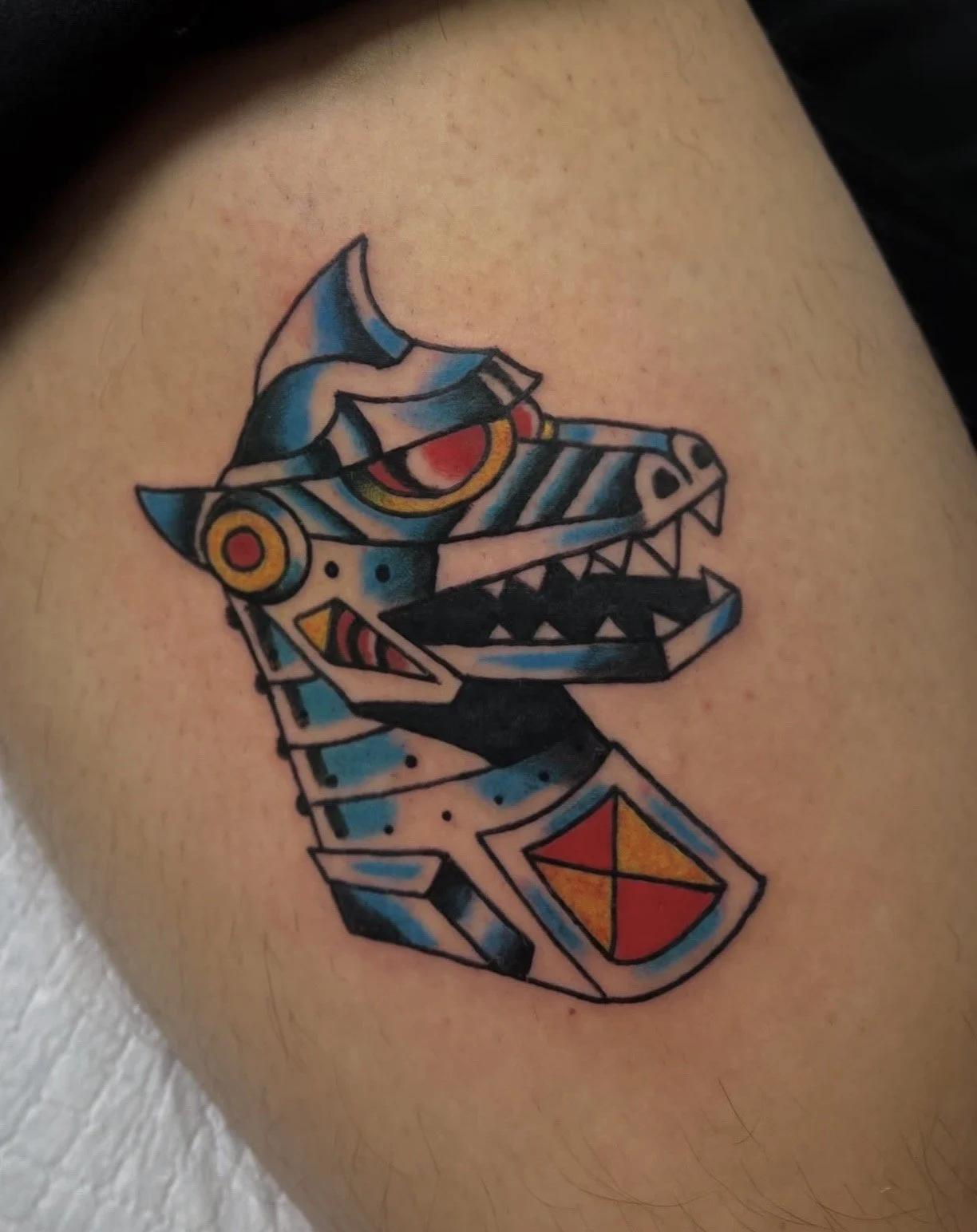
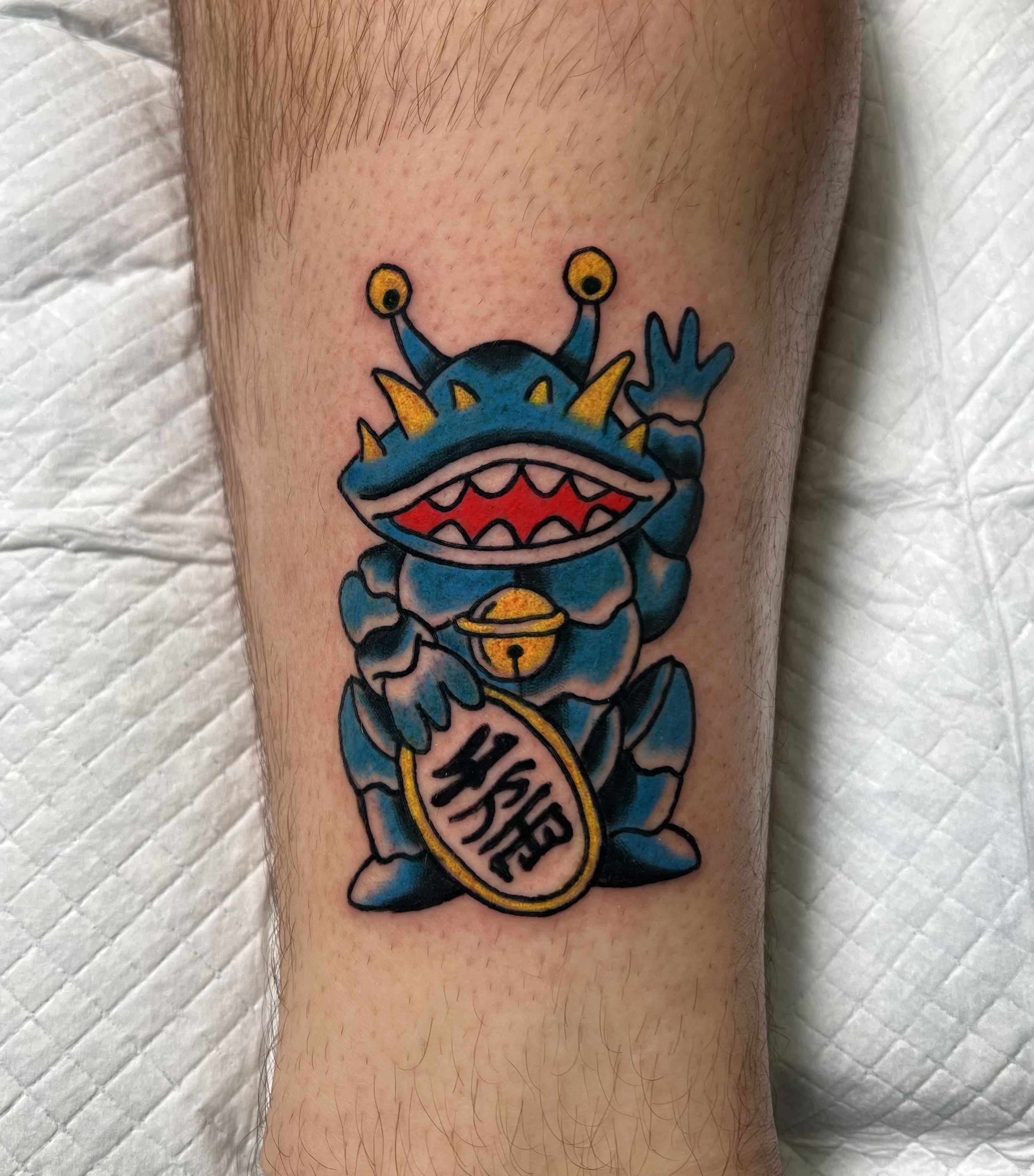
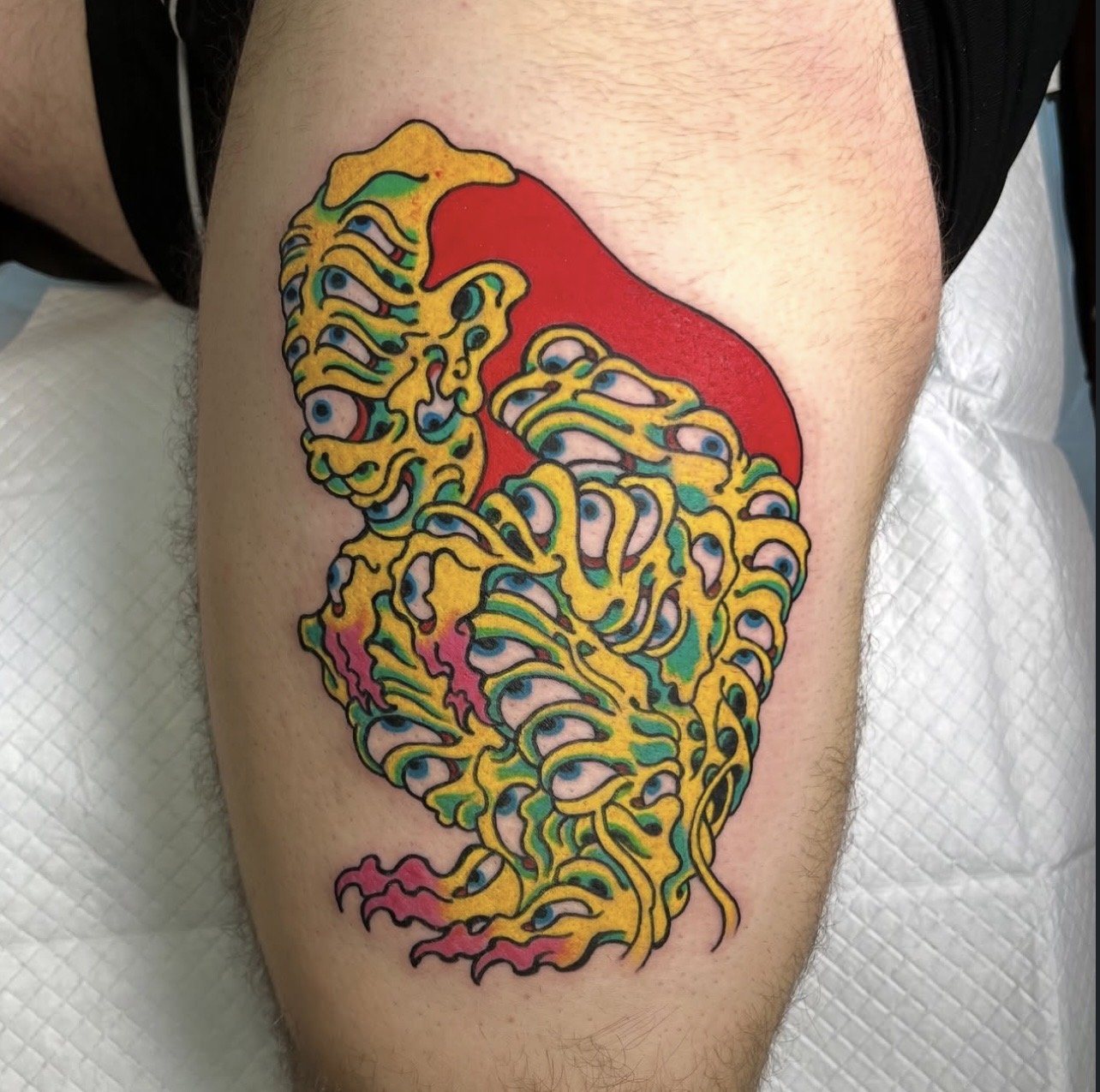
I’d also really like to experiment more with large-scale Japanese tattoo composition using kaiju and tokusatsu characters.
A Japanese-style backpiece or full sleeve featuring characters such as Godzilla, Mechagodzilla or Hedorah would definitely be high on my list. Kaiju and tokusatsu have such a strong and instantly recognisable visual language, and they are also such an important part of Japanese popular culture. I think there is a lot of potential in translating that imagery into the structure and flow of traditional Japanese tattooing.
Rather than simply tattooing a character as an isolated image, I’d be interested in treating it with the same consideration as a traditional Japanese backpiece or sleeve, thinking about movement, scale, background, anatomy and how the entire composition interacts with the body.
Those kinds of projects are what excite me most at this stage of my career: full bodysuits, backpieces, sleeves and more experimental large-scale tattoos where I can combine traditional tattoo principles with imagery from popular culture.
For me, the dream is really having the opportunity to work with clients who want to build something over time and are open to treating their body as one evolving tattoo project rather than a collection of completely unrelated images.
Do you have a favourite subject matter to tattoo?
I tend to be drawn to imagery that feels strong, timeless and immediately readable.
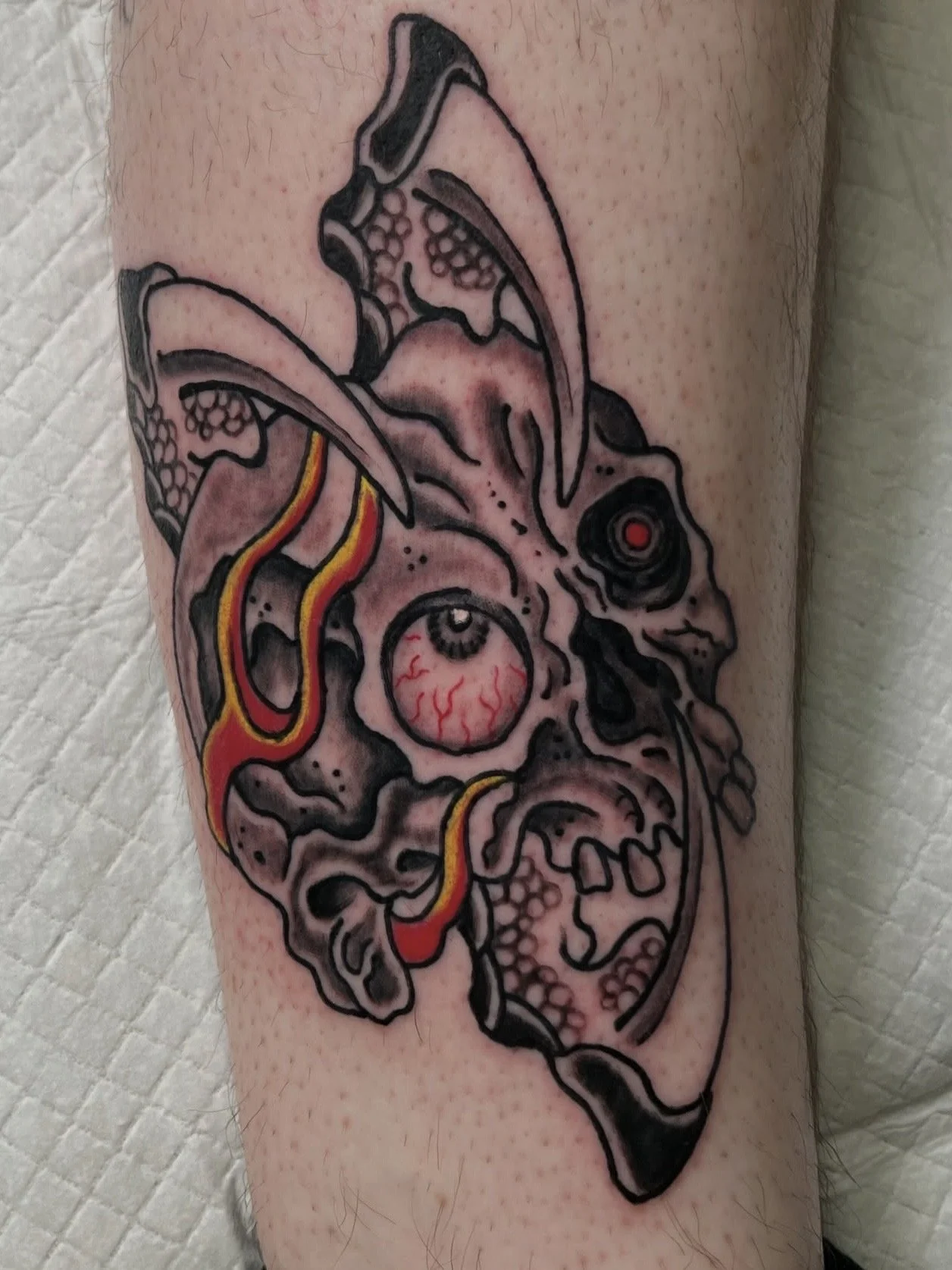
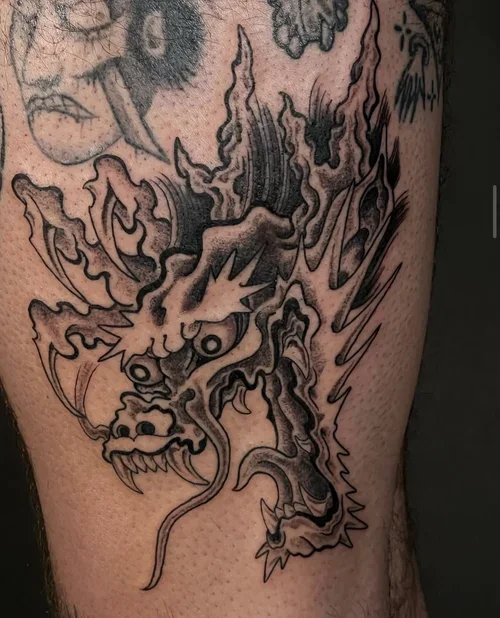
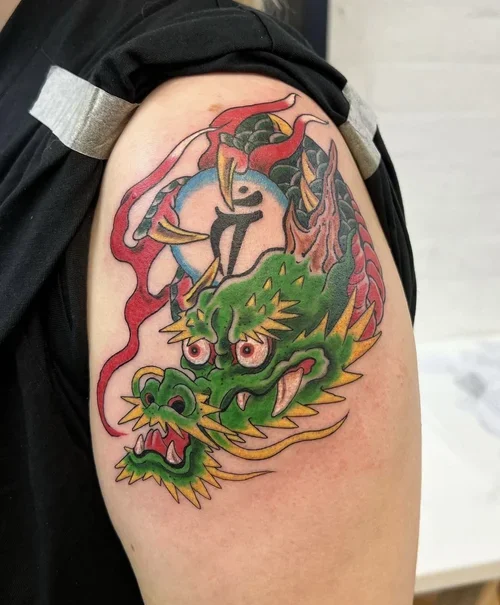
Some of my favourite subjects to tattoo are skulls, roses, dragons, along with classic traditional tattoo imagery and other bold motifs that have been part of tattoo culture for generations.
A strong rose, skull, dagger or swallow can be understood immediately from a distance, and that kind of visual clarity is something I value a lot.
More than any single subject, though, what I really enjoy tattooing is work that feels solid, readable and full of character.
I like tattoos that have presence, designs that can be recognised from across the room, that work with the shape of the body and that still feel powerful without relying on unnecessary detail. Whether it is a Japanese style dragon, a black and grey skull, a traditional rose, a fine line design or a classic tattoo motif, I am always looking for that same balance of clarity, strength and personality.
What do you get up to when you're not tattooing?
Most of my time outside tattooing is still spent drawing.
Drawing has been part of my life for as long as I can remember, and it is something I feel I need to do everyday. For me, continuing to draw and study is one of the most important ways I can keep developing as an artist and continue improving the tattoos I make.
I spend a lot of time reading as well. I am constantly looking into tattoo history, the origins of traditional tattoo imagery, old references, artists, techniques and the stories behind the designs that have been tattooed for generations.
I also work on illustration projects and collaborations with independent artists and toy makers, particularly within the Japanese sofubi and indie toy scene. Sofubi (traditional Japanese soft vinyl toys) has become another major creative interest of mine, both as a collector and as an artist. I really enjoy being part of that world because it combines so many things I already love: drawing, character design, Japanese culture, kaiju and toys.
In a way, most of my interests outside tattooing eventually lead back to the same place. Whether I am drawing, painting, studying tattoo history, collecting Japanese sofubi or working on an illustration, I am usually learning something that eventually finds its way back into my tattooing.