BLOG
A quick history of Maori tattoos
The styles and methods of tattooing in 21st century New Zealand are extremely diverse. From traditional Maori and Pacifica styles, through to modern traditional, the style is varied, but tattooing first began in New Zealand with Ta Moko.
Ta Moko tattoos
It’s impossible to establish when Ta Moko started as there are no written records pre-colonisation, as there was no formal Maori written language. Instead, historians have had to rely on archaeologists and the accounts of the first European settlers. Excavated sites have found tattooing tools dating back to the very earliest settlers, with some of the tools the same as the ones used in Samoa. Although the patterns and designs vary throughout the Pacific when it comes to tattoos, the technique of rhythmically tapping a bone chisel, lashed to a small wooden shaft remains the same.
Captain Cook arrives
Some of the earliest accounts of tattooing in New Zealand were by Sydney Parkinson. Parkinson was Captain James Cook’s artist on board the Endeavour, when it landed in Poverty Bay in 1769. He sketched and painted local Maori displaying their Moko, and described in detail the different styles and patterns he witnessed.
The Explorers noticed that Maori women were not as extensively tattooed as the men. Their upper lips were outlined, usually in dark blue, and their nostrils were also very finely incised. The chin moko was always the most popular, and continued to be practiced even into the 1970s.
Ta Moko facial tattoos aren’t just for decoration, they also tell a story. A person’s ancestry is indicated on each side of the face. The left side is generally (but not always, depending on the tribe) the father's side, while the right hand side indicates the mother's ancestry. If one side of a person's ancestry was not of rank, that side of the face would have no Moko design. Likewise if, in the centre forehead area there is no Moko design, this means the wearer either has no rank, or has not inherited rank.

Protat aftercare cream from Sunset
The process of getting a tattoo doesn’t end when you walk out the door of our studio. There’s aftercare that need to be adhered to, both for health reasons and to get the most out of your new ink! Follow these simple instructions after getting a tattoo, and it will still look awesome years from now.
Protat tattoo after cream
At Sunset, we recommend using Protat Aftercare Cream. Protat are the world’s first tattoo aftercare company. By using chemists from their development team and overseas they are constantly researching new ingredients, with natural products receiving special attention. Each Protat product has been precisely formulated with highly experienced members of the tattoo and piercing profession. New developments by Protat can only benefit the industry and enhance respect for body art practitioners everywhere. Protat Premium After Care cream has been designed to be the primary product in the Protat range. It utilises the technology of the Soothing After Care Cream with the added ingredients.
Application of after cream
Apply Protat Aftercare Cream (Protat Premium Cream for normal skin or Protat Soothing Cream for sensitive skin) Always wash your hands before applying cream or touching the tattoo. Evenly apply cream over the tattooed skin. Use only as much cream as the skin will absorb. Rub cream in gently as this will help stimulate the skin and bring blood flow to the area which helps in the body's natural healing process.
DO NOT leave a thick film on the surface. Most people experience a mild tingling sensation after the first few applications, this is quite normal. After 10 minutes or so, clothing will not stick to the tattoo. Apply cream 2 to 3 times a day or as necessary to keep the tattoo slightly moist.
DO NOT allow the skin to dry out. Wear clean clothes. Avoid close fitting clothes as they may absorb cream and dry the freshly tattooed skin. If you suffer from any allergies, seek advice from your GP and advise your body artist. Discontinue use of any product should irritation occur.
So there you go, stick to these basic rules and you’ll be fine. We sell Protat Cream here in the studio, so make sure you leave with a bottle on your way out! For long term care, always use sun screen (which you should be using anyway), and keep your tattoo moisturised.

Questions you've probably answered if you have tattoos
If you’re big into your ink, then you’ll know that people asking you about your tattoos is nothing new. Some are genuinely interested, others use it as a passive-aggressive way to show their disapproval. Check out some of the most common questions those with tattoos are asked, and the most common responses.
Did they hurt?
Well, yes, probably. Being stabbed repeatedly tends to hurt. But here’s the thing- pain is subjective. What makes someone wail like a Banshee might not even be noticed by someone else. And where you get a tattoo is also a big factor in how painful it is. Where the skin is thin tends to hurt more than the meatier part of the body.
What do they mean?
It’s a tough question to answer because people without tattoos expect them to have some sort of deep and personal meaning. The problem is, if they do, then it’s personal, and if they don’t, then the person asking the question thinks you’re an idiot. Some tattoos can represent an important time in a person’s life, or a loved one that’s maybe passed away. Other tattoos may be the result of a drunken night out. Either way, if feel yourself wanting to ask someone this question, it’s probably best you think carefully first.
Do you regret them?
Nine times out of ten the answer will be no. Obviously, there’s always one or two decisions in our youth that we look back on with incredulity. Some people get tattoos of their significant other, only to find out their significant other wasn’t that significant. Others were just too young to know what they wanted for a tattoo or why. These cases tend to be the exception, rather than the rule, so overall, no, people don’t regret them.

If you have any questions about tattoos, give the team at Sunset Studio a shout. We’ll be happy to answer any questions you may have. Just don’t ask us what our tattoos mean.
The different tattoo styles you'll find at Sunset
At Sunset Studio you'll find experience, professional Tattoo Artists, and if there’s a specific design you would like, then we’ll be happy help. But each of our artists specialise in our their style of tattooing.
Tattoos come in all shapes, sizes and styles, and each style is completely different. From photo-realistic to Anime, each style has its own distinct features and traditions.
TRADITIONAL TATTOOS
Traditional tattoos are the oldest “modern” tattoo styles. Obviously they’re not the oldest types of tattoos, but in the modern era, these are the ones that started it all. Made popular by sailors, this style- also known as American traditional- first began around the end of the 19th Century, and is linked to the invention of the first tattoo machine by Sam O’Reilly. This style is noticeable by its solid black outlines, bold colours and classical images such as hearts, tigers, anchors, skulls, daggers and roses.
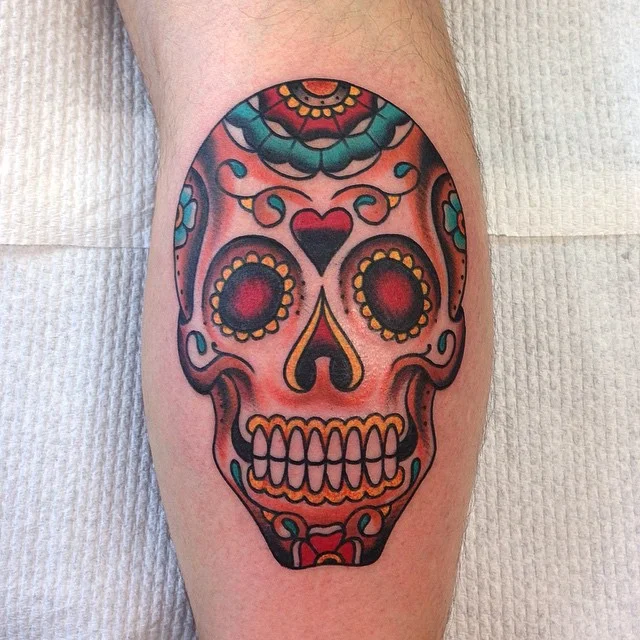
If you’re interested in a traditional tattoo, call Fabian.
JAPANESE TATTOOS
Japanese tattoos are some of the oldest known, with evidence of tattooing in Japan dating back 5,000 years. This style follows a very strict code- using imagery, colour, direction and symbolism. Japanese tattoos will have images such as dragons, koi, cherry blossoms and lotus flowers.

If you would like to know more about Japanese Tattoos, speak to Tom.
TRIBAL TATTOOS
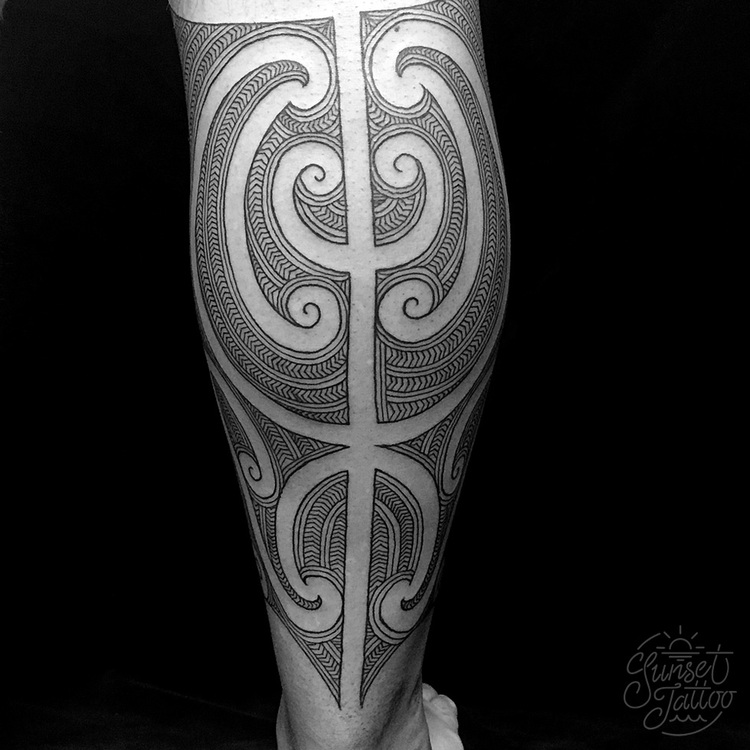
Tribal tattoos are the oldest form of tattoos known, dating back over 7,000 years. Polynesian tattoos typically had thick black lines, which over time, became more intricate and symbolic. Often using symmetry and geometrical design, tribal tattoos can be very complex, and can often tell a story. Maori tattoos are now popular the world over, and many backpackers come to New Zealand and leave with ink as a reminder of their wonderful experience.

If you would like a tribal tattoo, call Sunset and ask for Tristan
Talk to Tristan about a Maori tattoo design
If you’re interested in getting a Maori tattoo design, then you should come see Tristan at Sunset Tattoo.
Tristan is of Te Rarawa descent, from the Hokianga in the far north. He graduated from the New Zealand Maori Arts and Crafts institute in 2014 with a diploma in Whakairo Rakau (traditional wood carving). Not long before Tristan graduated, he approached Tom about learning the craft of tattooing and bringing his knowledge of carving and Maori art over to the medium. Tristan is now tattooing full time with Sunset, and specializes in Ta Moko, Blackwork, pattern work, geometric and dot-work tattoo styles.
When researching your Maori tattoo design, it’s a good idea to come talk to Tristan first. A little knowledge about Maori culture and Maori tattoo design will help you make an informed choice about what it is you want. The art of tattooing is a rich and historic part of Maori culture, and is therefore deserving of respect. In Cultural terms, each Maori tattoo design had a deeper meaning, represented a milestone, or told its own story.
The original tattooing method consisted of cutting into the skin, rather than inking the top layers. This method has been documented as one of the oldest in the world, going back generations. Today it isn’t quite as painful or dangerous, and people don’t need to be heading off to war in order to get one. Maori tattoo design are more popular than ever, with more and more complex patterns and designs adorning everyone from housewives to CEOs.
So if you’re interested in a Maori tattoo design, come and see us at Sunset Tattoo. Book an appointment with Tristan, even if it’s just for a chat about your options. Our studio is relaxed, cosy and clean; everything you want in a tattoo studio.